Consumer Reports 2026 Top Picks Prioritize Sanity Over Speed
There is a specific kind of silence that falls over a press fleet when the reliability data comes in. It is the sound of excitement being tempered by spreadsheet logic. Consumer Reports just released its annual Top Picks for 2026, and if you were hoping for a resurgence of driving dynamics over dependability, you might want to look away. This list is not about the cars we dream about in the garage; it is about the cars that survive the driveway.
For the average buyer, this distinction matters less than the headline suggests. When your daily commute involves stop-and-go traffic on the 405, torque curves matter less than whether the infotainment system freezes on a Tuesday. Consumer Reports tested vehicles covering 500,000 miles to generate these findings, relying on unbiased ratings and owner surveys rather than manufacturer press kits. The result is a leaderboard that feels less like a wish list and more like a survival guide.
The 2026 Top Picks lineup is heavily skewed toward brands that have mastered the art of incremental improvement rather than radical reinvention. Here is the breakdown of the winners across ten categories:
- Small Car: Honda Civic
- Subcompact SUV: Subaru Crosstrek
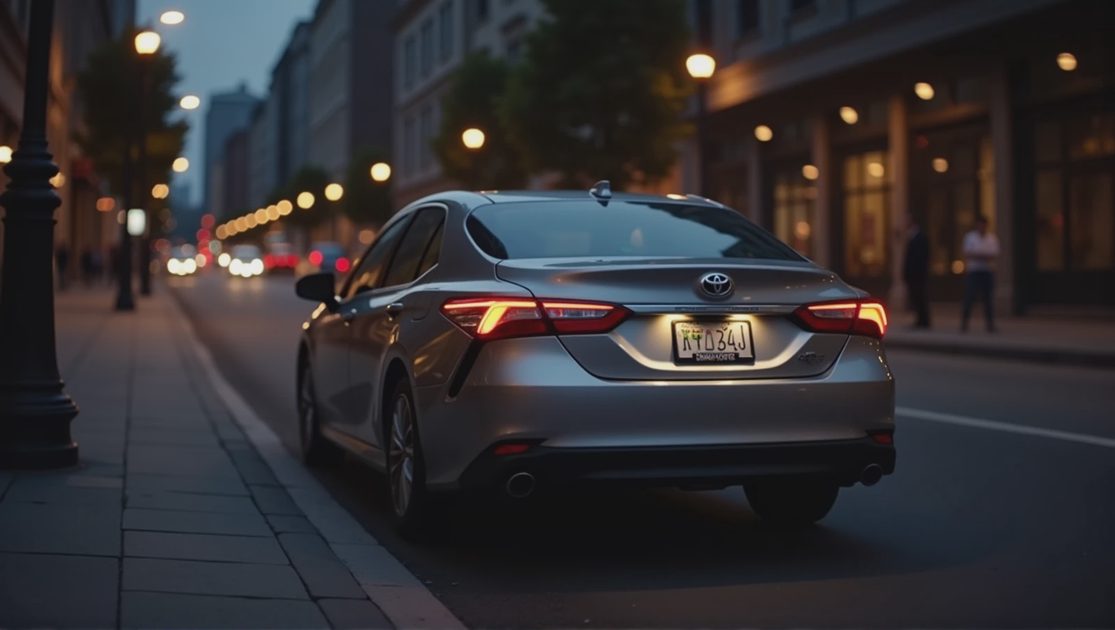
- Midsized Car: Toyota Camry
- Compact SUV: Subaru Forester
- Midsized SUV: Toyota Grand Highlander
- Small Pickup: Ford Maverick
- Luxury Compact SUV: Lexus NX
- Luxury Midsized SUV: BMW X5
- Full-sized Pickup: Ford F-150
- Electric Vehicle: Tesla Model Y
The Data Behind the Decisions
What separates this list from the usual magazine car-of-the-year awards is the weighting of reliability and owner satisfaction. Consumer Reports rated cars from 31 brands on road-test scores, safety, and predicted reliability. While a publication like ours might forgive a rough transmission for the sake of a glorious V8, CR's methodology penalizes friction points that affect daily ownership.
This explains the dominance of Toyota and Subaru. The Camry and Grand Highlander are not thrill machines, but they are Appliances in the best sense of the word—they work, every time. The inclusion of the Ford Maverick is a nod to practicality; it solves a specific problem for urban dwellers needing haul capacity without the footprint of a full-size truck. Even the Tesla Model Y retains its crown in the EV segment, likely due to its charging infrastructure advantage outweighing build quality quirks in the broader survey data.
However, the reliance on survey data creates a lag effect. These ratings reflect cars that have been on the road long enough to generate complaints. All-new models often disappear from these lists until the kinks are ironed out. That is why you see the BMW X5 as the sole representative of true driving engagement. It is a concession to performance, but even then, it is the safe choice in the luxury segment rather than the sharper-handling alternatives available from Genesis or Alfa Romeo.
Where Enthusiasts Might Disagree
For those of us who measure a car by the feedback through the steering wheel, this list feels conservative. There is no Mazda MX-5, no Porsche 718, no manual transmission in sight. The focus on active safety features and fuel economy means the driving experience is often sanitized. The source material notes that each vehicle shines for excelling in tests and reliability surveys, possessing key standard active safety features. That is code for "nothing will go wrong," which is excellent for resale value but dull for a Sunday drive.
The buying advice section of the report highlights this tension. It warns that car shopping is exciting, but car buying can be stressful. CR aims to remove the stress by removing the risk. They offer tools like a Trade-In Value Estimator and insights on leasing versus buying. There is even a specific breakdown of 12 hybrids that save the most money on gas, acknowledging that for most buyers, the cost per mile is the ultimate performance metric.
Ultimately, this report serves a different master than the automotive enthusiast press. It serves the accountant in every household. If you view a vehicle as a depreciating asset that needs to transport you reliably for 200,000 miles, this list is gospel. If you view a car as a partner in the driving experience, you will find yourself looking past the Top Picks to the vehicles that didn't make the cut.
Verdict
Pros
- Rigorous testing methodology covering 500,000 miles
- Unbiased reliability data free from manufacturer influence
- Strong focus on safety and total cost of ownership
Cons
- Conservative choices lack driving enthusiasm
- Reliability data favors established models over new tech
- Little consideration for performance or emotional connection
Bottom Line
The definitive guide for protecting your wallet, though it offers little protection for your soul.