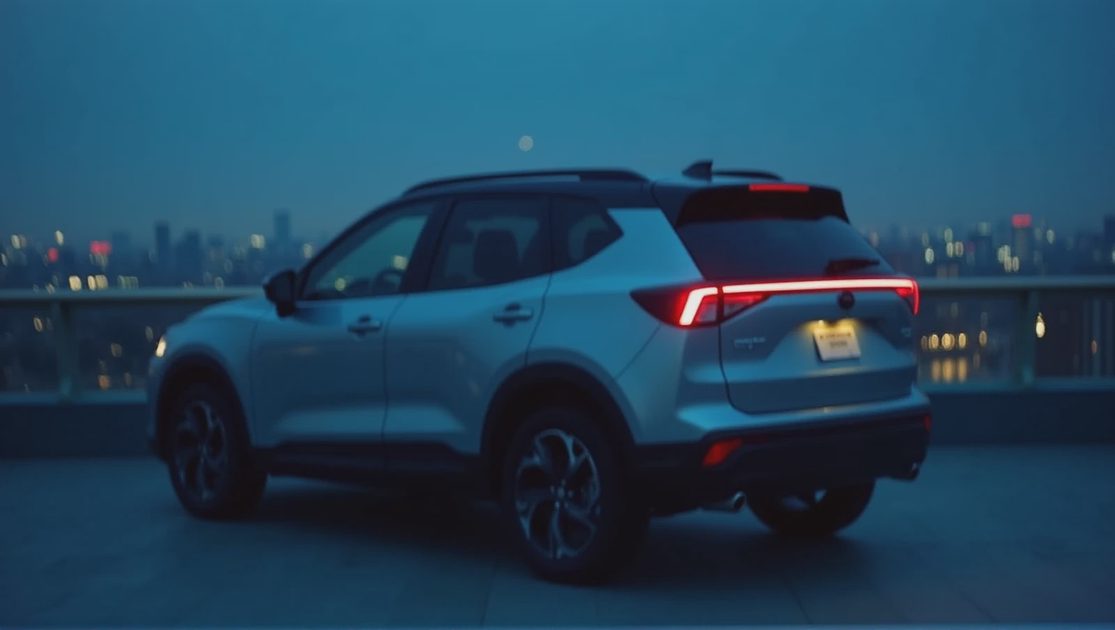
2026 VW Tiguan vs. Subaru Forester Hybrid: Refinement Takes on Rugged Utility
Sliding the column-mounted shifter into drive on the new Volkswagen Tiguan offers a moment of unexpected clarity: the center console is finally free of clutter. It is a small detail, but one that defines the gap between these two compact SUVs. While the Subaru Forester Hybrid clings to a bulky traditional lever that dominates the console, the Tiguan has moved forward, freeing up space for belongings in a deep storage compartment. This distinction sets the stage for a comparison where German refinement meets Japanese utility, both vying for the same family dollar.
Gas versus hybrid, street-focused versus adventure-focused. The Subaru Forester Hybrid and Volkswagen Tiguan approach the segment with different philosophies. The Forester's boxy look and standard all-wheel drive aim to deliver adventure off the beaten path, or at least the appearance of it. The Tiguan, all-new for this model year, focuses tightly on refinement, premium vibes, and driving enjoyment. Yet, families shopping this segment prioritize interior space, technology, comfort, and fuel efficiency. Both contenders offer these to varying degrees, but only one truly checks the boxes without compromise.
Interior Philosophy Divided
If the exteriors didn't clue you in, sliding into these SUVs' cabins makes the different approaches obvious. The Tiguan's new design is clean and sophisticated, with a 12.9-inch touchscreen dominating most of the dashboard. With most of the HVAC controls located on the screen, a large volume knob on the center console helps keep the tech-forward cabin from feeling overwhelming. The dashboard also gets special attention, as VW designers added a trim piece to the passenger side with a backlit futuristic pattern that lights up with the ambient lighting.
While the Subaru entered its sixth generation a couple of years ago, its interior is aging quickly. The 11.6-inch vertical touchscreen looks antiquated, and the vertical layout offers no real advantage over a traditional horizontal setup. While Subaru does retain a few physical buttons for climate control as well as a volume knob, most HVAC functions are still handled through soft buttons at the bottom of the display, far below where VW's are, drawing your eyes further from the road.
Material quality inside the Forester also falls short of the Tiguan's. Some buyers will be fine with this, but stepping from one cabin to the other, it is immediately clear Volkswagen's choices in leather, plastics, and trim are a step above. The same is true of the Forester's center console, which houses a bulky shifter that takes up too much space and has room only for a wireless charger and two cupholders tucked awkwardly close to the storage compartment. Volkswagen did an excellent job upgrading its compact SUV's cabin, equipping it with modern tech and a fresh, appealing design. The Forester's cabin, on the other hand, is beginning to show its age, and while it recently received an update, the design no longer feels new.
Space and Utility Realities
Both SUVs offer excellent space for families. The second rows in each provide ample leg- and headroom, even for tall adults. The Tiguan has a slight advantage in both measurements, perhaps due to the Forester's packaging needing to account for the hybrid battery under the rear seats. Cargo capacity with the seats up favors the Tiguan by 6.1 cubic feet. With the rear seats folded, the VW's advantage shrinks to a couple of shoeboxes.
Both are well equipped, though there are notable differences in comfort and convenience features. The Tiguan includes a head-up display, which isn't offered on the Forester, while the Subaru counters with heated rear seats, something the VW lacks. We also missed a lock button on the Tiguan's tailgate, a small but useful feature when loading or unloading.
In the end, this comparison hinges on what you value more: the polished, modern experience of the Volkswagen or the rugged, albeit dated, utility of the Subaru. The Tiguan feels like a product designed for the next decade, while the Forester feels like a holdover from the last one. For families spending most of their time on pavement, the Tiguan's superior material quality, cargo space, and intuitive tech layout make it the more compelling package. The Forester remains a capable choice for those who prioritize the hybrid powertrain and heated rear seats over cabin ambiance, but it is hard to ignore the age showing in its design.
Verdict
2026 Volkswagen Tiguan
- Pros: Superior material quality, spacious center console storage, larger cargo capacity, modern horizontal touchscreen layout.
- Cons: Missing tailgate lock button, no heated rear seats.
- Bottom Line: A refined, tech-forward compact SUV that feels premium inside and out.
2026 Subaru Forester Hybrid
- Pros: Standard all-wheel drive, heated rear seats, capable X-Mode system.
- Cons: Aging interior design, bulky shifter, vertical screen placement, lower material quality.
- Bottom Line: A practical utility player that is beginning to show its age against newer rivals.