MotorTrend’s car-buying hub is trying to be your shortcut—if you can see past the noise
The first thing you notice from behind the wheel—of your browser, at least—is the sheer amount of road signs. MotorTrend’s “Car Buying Guide: New Car Research & Ratings” landing page isn’t a single clean on-ramp to your next purchase so much as a busy cloverleaf: rankings, body-style filters, make searches, and a stream of fresh headlines all competing for your click.
That sounds like a critique, and it is—sort of. But it’s also an honest reflection of how people actually shop for cars in 2026. Nobody goes online looking for a tidy brochure anymore. They bounce between segments, price brackets, powertrains, and whatever news just hit that morning. MotorTrend’s page leans into that reality, positioning itself less as a static “guide” and more as a constantly updating front door to its broader car-shopping ecosystem.
What’s interesting here isn’t one specific new model or a single rating. It’s the editorial bet: that a branded set of “Ultimate Car Rankings” can sit alongside breaking stories—like Volvo wagon rumors and the end of gas-powered Porsche Macan production—and still feel like one cohesive shopping tool.
A shopping page built like a magazine cover
MotorTrend’s layout reads like an old print cover translated to the web: a big promise up top (“The Ultimate Guide to Your Next Ride”), followed by a menu of high-traffic categories—SUVs, hybrids, crossovers, trucks, luxury, electric cars, sports cars, sedans, coupes, hatchbacks, convertibles, and vans. There’s also a “Search by Make” option, which is the most practical feature on the page if you already know what badge you’re willing to park in the driveway.
The strength is obvious: segmentation. If you’re cross-shopping “Hybrid Cars” against “SUVs” against “Electric Cars,” MotorTrend is trying to keep you in one place rather than sending you ricocheting across tabs. The “MT Ultimate Car Rankings” label is doing heavy lifting here, too. It implies a structured hierarchy—an attempt to cut through the modern problem of infinite trims, mid-cycle refreshes, and powertrain variations that make even seasoned shoppers feel like they’re chasing a moving target.
The weakness is equally obvious: the page is busy, and “busy” is the enemy of confident purchasing decisions. A buyer who arrives wanting a clear answer can get pulled into the broader content stream—news, features, opinion columns—before they ever reach the meat of research. That’s not inherently bad (enthusiasts love the detours), but as a pure buying guide, it risks feeling like a dealership where every salesperson has a different pitch.
The headlines tell you where the market is headed
Even from this single page snapshot, the trending stories are revealing—less about MotorTrend’s editorial calendar and more about the industry’s current fault lines.
One headline asks: “Will Volvo Bring Back Wagons to the U.S.? Should it?” That’s not just nostalgia bait. It’s a real question about whether a brand known for practical, safety-forward design can sell a long-roof car in a market that defaulted to crossovers years ago. Wagons tend to win the argument on paper—lower ride height, better dynamics than a typical SUV, and still plenty of usable cargo space—but they lose at the showroom when buyers want the image (and perceived capability) of an SUV. If Volvo is even considering it, that suggests the brand sees an opening: buyers tired of tall vehicles, or simply hungry for something different that isn’t another cookie-cutter crossover.
Then there’s “Gas-Powered Porsche Macan Production to End This Summer.” That one lands with more weight. The Macan has been a cornerstone product in Porsche’s modern era, and the fact that gas-powered production is ending “this summer” signals a definitive pivot. For shoppers, it’s a flashing sign that availability, timing, and long-term ownership considerations are about to change. Even if you’re not buying a Macan, it’s a reminder that the market is slicing itself into “last chance” internal-combustion buys and the next wave of EV replacements.
Other headlines lean into enthusiast culture—BMW’s 2007 M6 with a V-10, Jay Leno weighing in on Corvette ZR1X vs. 911 GT3 RS, and a feature on car culture community building. Those may not be shopping-guide essentials, but they serve a purpose: they keep the enthusiast audience engaged on the same page where the buying tools live. MotorTrend is effectively saying, “Stay for the shopping advice, but also stay because you like cars.”
And tucked among those is a more directly forward-looking item: “2027 Lexus TZ First Look: Diving Into the 3-Row Electric SUV Segment.” Three-row EVs are where brand ambition and real-world practicality collide—size, weight, charging expectations, and family-duty packaging all in one expensive package. If Lexus is stepping into that segment, it’s acknowledging where premium buyers are migrating: not just to EVs, but to EVs that can replace the household’s main vehicle.
What this page is good for—and what it isn’t
If you’re a shopper who wants a single definitive recommendation with no side quests, this landing page isn’t that. It’s a directory with an editorial pulse. Its value is in the breadth: the ability to start with a category like “Crossovers” or “Electric Cars,” then pivot into timely news that might influence your decision—like a model being phased out, a new segment entrant, or a brand reassessing what Americans actually want.
But there’s an important boundary to respect: a landing page can promise “ultimate” all day long; your best buying decisions still come from model-specific deep dives, careful trim comparisons, and real-world testing over time. A rankings framework is useful—especially for narrowing options—but it should be the start of your homework, not the final exam.
In other words, MotorTrend’s car-buying hub is a good garage to walk into if you want both tools and conversation. Just don’t confuse the noise of a bustling shop with the sound of a torque wrench landing the job.
---IMAGE_PROMPT---
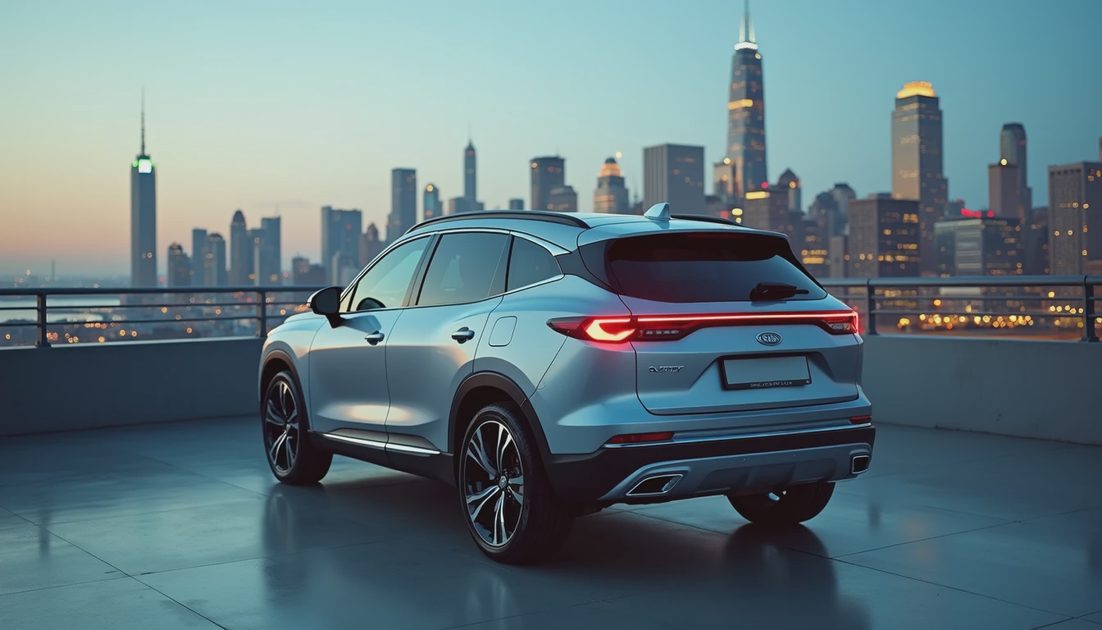
A cinematic cover photo of a modern premium crossover SUV (no visible brand badges), finished in metallic silver paint, parked on a rooftop parking level with a sweeping city skyline panorama behind it at blue-hour twilight. High angle bird-eye camera view emphasizing the vehicle’s shape and proportions, crisp reflections on the bodywork, soft ambient city glow, clear sky with a faint gradient. The scene should feel like an automotive editorial shoot. The license plate area blurred with mosaic pixelation. No text overlays, no human faces, no brand logos or badges.
---END_IMAGE_PROMPT---
Verdict
Pros: Broad category navigation; timely market-context headlines alongside shopping tools; easy “Search by Make” entry point
Cons: Busy, magazine-cover-style clutter can distract from research; “ultimate” positioning risks overselling a landing page
Bottom Line: A strong browsing hub for enthusiasts and cross-shoppers—best used as a starting map, not a final decision-maker.