From behind the wheel, the first thing you notice is how naturally a good 3 Series settles into a fast road. The steering is light enough for a parking lot, the body stays composed through a decreasing-radius bend, and the engine seems to understand that enthusiasm need not become drama. That balance explains why BMW 3 cars remain a reference point for sport sedans, even as SUVs dominate American driveways.
The name covers a wide range of vehicles, however. A clean 2006 330i, a practical 2016 328i, and a new M340i are not interchangeable purchases. Prices, reliability risks, fuel economy, insurance costs, and driving character change significantly by generation. Here is the old-school buyer's guide: what works, what does not, and where your money is best spent.
What BMW 3 Cars Actually Include
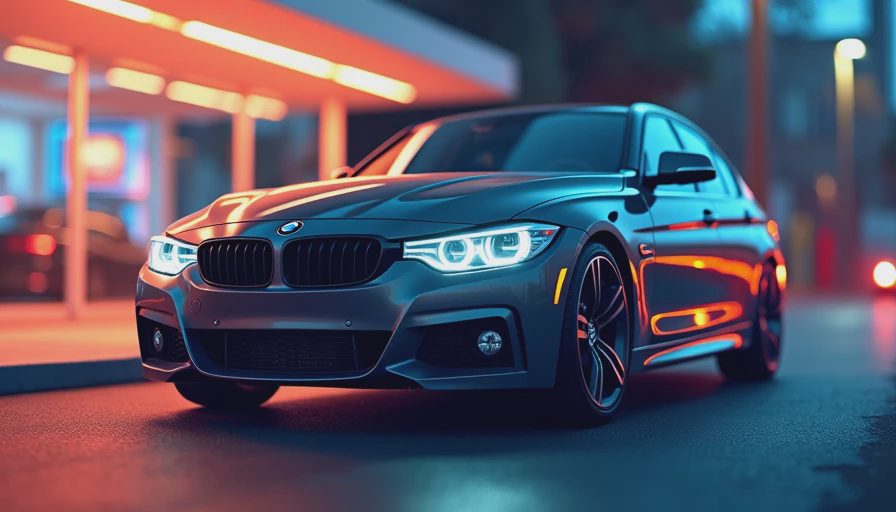
The 3 Series has been sold in the United States as a compact luxury sedan, coupe, convertible, and, in recent years, a wagon in limited availability. The modern lineup centers on sedans such as the 330i, 330e plug-in hybrid, and M340i. Earlier generations used familiar badges including 325i, 328i, 330i, 335i, and 340i.
The badge matters more than many listings suggest. A 330i typically uses a turbocharged four-cylinder with enough power for daily traffic and highway merging. The M340i uses a turbocharged inline-six and is substantially quicker, often reaching 60 mph in roughly four seconds with all-wheel drive. A 330e adds electric assistance and can reduce gasoline use on short commutes, but it brings a more complicated powertrain and less trunk practicality.
BMW 3 cars also vary by drivetrain. Rear-wheel drive delivers the cleanest steering feel and is the enthusiast's choice in dry climates. xDrive all-wheel drive improves traction in snow and rain, though it adds weight, mechanical complexity, and sometimes higher tire costs. In Los Angeles, I would not pay a large premium for all-wheel drive unless regular mountain trips justify it.
Generations Worth Your Attention
The E90 generation, sold roughly from 2006 through 2011, remains a favorite among drivers who want a compact BMW with honest controls. The naturally aspirated six-cylinder models are smooth and satisfying, while the 335i is much faster but can bring expensive turbocharger and cooling-system repairs. Expect age-related suspension work on any example, even a carefully maintained one.
The F30 generation, from 2012 through 2018, is easier to live with and generally more efficient. The four-cylinder 328i and 330i provide strong midrange torque, with observed highway economy often landing in the low-to-mid 30s mpg when driven sensibly. Early cars deserve close inspection for maintenance history, oil leaks, timing-chain concerns on certain engines, and neglected automatic transmissions.
The current G20 generation arrived for 2019 and brought a quieter cabin, more rear-seat space, and a broader spread of electronic assistance. BMW 3 cars from this era feel more substantial than their predecessors. The 330i is the rational choice, but the M340i is the one that makes a long freeway commute feel like an occasion. Its inline-six is exceptionally strong, though fuel and insurance bills rise with performance.
How They Drive and Live With
A 3 Series works because its strengths are not limited to a test track. The seating position remains excellent, the hood is visible enough to place the car accurately, and the automatic transmission usually responds quickly without unnecessary theatrics. The 330i is quick rather than wild, which makes it easier to enjoy on public roads. An M340i adds serious acceleration but still has the manners of a commuter.
The compromises are familiar. Run-flat tires can produce a harsh ride on broken pavement, replacement tires are rarely cheap, and optional wheel packages can make pothole damage more likely. Rear-seat room is adequate for adults but not generous, and the center touchscreen-heavy interface takes concentration while moving. BMW 3 cars are also sensitive to maintenance neglect; a bargain purchase can become a $2,000 repair invoice soon after delivery.
For a used car, I would prioritize service records over a long options list. Look for evidence of regular oil changes, brake work, cooling-system attention, and transmission service where appropriate. Have an independent BMW specialist inspect the car before purchase. A pre-purchase inspection costing around $200 to $400 is cheap insurance against discovering worn control arms, leaks, or electronic faults after signing the paperwork.

Price, Fuel Economy, and Insurance
Used pricing depends heavily on mileage and condition. Older E90 sedans can appear below $10,000, but the least expensive listings often need tires, brakes, suspension components, or deferred fluid service. A well-kept F30 may sit around the mid-teens to upper $20,000s, while late-model G20 cars commonly command more. New 330i models start in the luxury-sedan range, and an M340i can move well beyond $60,000 once options and destination charges are included.
Fuel economy is one reason the 330i makes sense. Real-world combined use often falls in the mid-to-upper 20s mpg, with highway trips reaching the low 30s. The M340i can be surprisingly efficient on a steady cruise but drops noticeably when driven hard. The 330e can be economical for a driver who charges at home every night, yet its advantage shrinks when the battery is depleted or the commute exceeds its electric range.
Insurance deserves a quote before purchase, not after. BMW 3 cars with turbocharged engines, expensive parts, and higher replacement values can cost more to insure than a mainstream sedan. A clean driving record, higher deductible, bundled policies, and available safety features can help. Compare liability limits, collision coverage, comprehensive coverage, and deductibles from several insurers rather than choosing solely by monthly premium.
The Smart Buy for Different Drivers
For the enthusiast on a tight budget, a naturally aspirated E90 328i with documented maintenance is appealing, provided a specialist confirms its condition. It delivers the classic feel without the full risk of a turbocharged performance model. This is not a cheap car to maintain, but it can be an honest and rewarding one.
For most buyers, a later F30 330i or G20 330i is the sweet spot. The four-cylinder has enough performance for American roads, the cabin is comfortable, and fuel costs remain reasonable. Choose rear-wheel drive for maximum simplicity and xDrive when weather or geography demands it. A warranty-backed example is worth serious consideration because modern BMW electronics are powerful but not inexpensive.
For drivers who want one car to do nearly everything, the M340i is the compelling choice among BMW 3 cars. It is quick enough to embarrass older sports cars, refined enough for a long trip, and more usable than an M3. The price is substantial, and tire, fuel, and insurance expenses follow it, but the performance feels special every day.
The Verdict: pros, cons, and whether you should actually buy one
Pros. BMW 3 cars offer excellent driving balance, strong engines, impressive highway manners, and a wide used-market selection. The 330i is efficient and fast enough for nearly any commute, while the M340i supplies genuine performance without sacrificing comfort. Good examples also hold their appeal better than many anonymous luxury sedans.
Cons. Maintenance is more expensive than on a Toyota Camry or Honda Accord, run-flat tires can hurt ride quality, rear-seat space is merely adequate, and neglected examples become financial traps. Insurance quotes can also exceed expectations, particularly for powerful trims or younger drivers.
Bottom line. Buy a 330i when you want the best balance of cost, speed, and daily usability. Buy an M340i when acceleration is central to the experience and your budget covers the running costs. Shop the maintenance history, arrange an independent inspection, and obtain insurance quotes before committing. The right BMW 3 cars still reward a driver in a way few compact sedans can match. My score for the current 330i as an all-around purchase is 8 out of 10; the M340i earns 8.5 for enthusiasts willing to pay for it.