From behind the wheel, the first thing you notice in the Cadillac CTS is not the badge or the sharp-edged styling. It is the way the sedan settles into a fast bend, steering loaded neatly in your hands while the body stays composed. The Cadillac CTS was never the cheapest midsize luxury car, but it made a persuasive argument that an American sedan could challenge BMW and Audi without copying every detail of their playbook.
A brief history of the CTS
Cadillac introduced the CTS for 2003 as a replacement for the Catera, and the change was dramatic. The first generation brought angular styling, rear-wheel drive, and a willingness to trade some traditional Cadillac softness for sharper responses. It was not perfect: the interior looked ordinary in places, and some early cars felt less polished than their German rivals. Still, the formula worked.
The second-generation car, sold from 2008 through 2015, broadened the lineup with sedan, coupe, and wagon body styles. It also introduced the high-performance CTS-V, whose supercharged V8 turned the family sedan into a serious track-day machine. For most shoppers, the regular V6 models offered the better balance of speed, comfort, and operating cost.
The final generation arrived for 2014 and continued through the 2019 model year. It was lighter on its feet, more sophisticated inside, and available with engines ranging from a turbocharged four-cylinder to a twin-turbocharged V6. Cadillac discontinued the CTS after 2019, making the used market the only place to find one today.
How the CTS drives
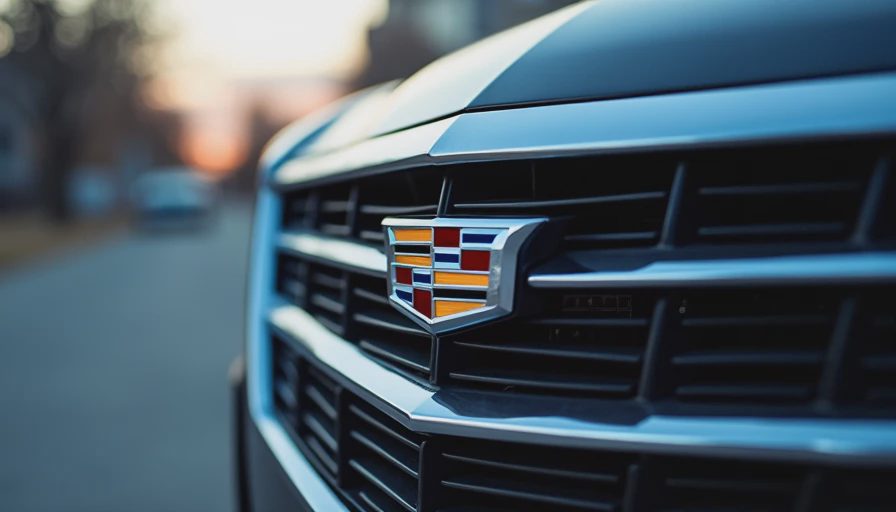
The best part of the Cadillac CTS is its chassis. On a winding road, it feels more alert than the average luxury sedan, yet it does not punish occupants with a brittle ride. Rear-wheel drive is standard on many versions, while all-wheel drive was available on selected trims and engines. The steering is not as talkative as a BMW 3 Series, but it is accurate, quick enough, and pleasantly weighty at speed.
Ride quality depends heavily on wheel size. Cars with 17-inch or 18-inch wheels generally absorb broken pavement better than examples fitted with large optional wheels and performance tires. Magnetic Ride Control, available on higher trims, can provide an excellent spread between supple cruising and controlled cornering. It also adds complexity, so a used-car inspection should include a close look at suspension warning lights and fluid leaks.
Instrumented testing of late-model CTS sedans commonly placed quick turbocharged versions in the low-five-second range from zero to 60 mph, while the twin-turbo CTS V-Sport could dip into the mid-four-second range. The CTS-V was quicker still, with supercharged V8 power capable of startling acceleration. Those numbers are impressive, but the car's composure under braking and through sweepers is what makes the speed usable.
Engines, transmissions, and fuel economy
The entry engine in the last generation was a 2.0-liter turbocharged four-cylinder. With roughly 270 horsepower, it delivered adequate performance and respectable highway fuel economy, though it could sound strained under hard acceleration. The naturally aspirated 3.6-liter V6, producing around 335 horsepower in many applications, was the smoother and more convincing choice for buyers who wanted effortless passing power.
The 3.6-liter twin-turbocharged V6 in the V-Sport made about 420 horsepower and transformed the CTS into a genuine performance sedan. The CTS-V used a supercharged 6.2-liter V8 with 640 horsepower in its final form. That car belongs in a separate conversation: it is thrilling, expensive to insure, and costly to maintain.
Most late CTS models used an eight-speed automatic transmission, although calibration varied by year and engine. EPA fuel-economy ratings depended on drivetrain and wheel choice, but four-cylinder cars could reach the upper 20s on the highway, while V6 and V-series models generally traded economy for performance. In real mixed driving, owners should expect something in the high teens to low 20s from many V6 examples.
Interior comfort and technology
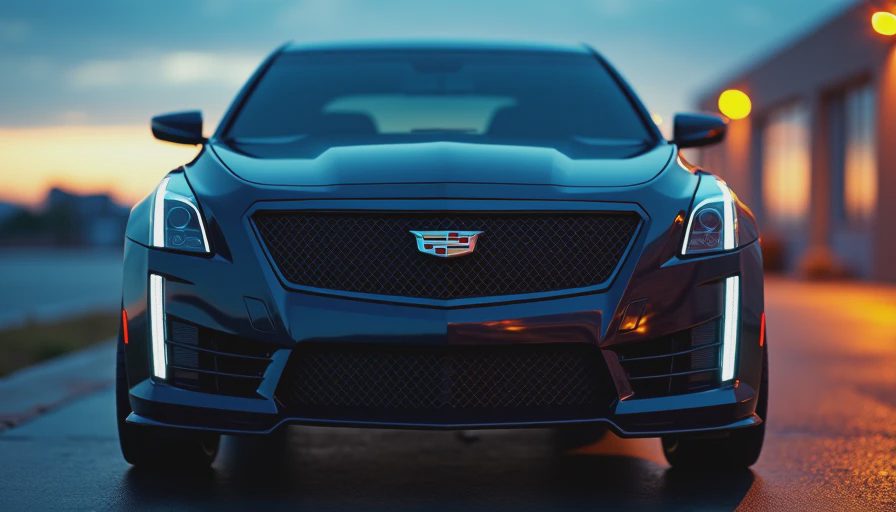
The CTS cabin has a handsome shape, supportive front seats, and enough material quality to feel genuinely upscale in well-equipped trims. The driving position is excellent, and the long hood gives the car a distinct, traditional luxury-sedan character. Rear-seat space is acceptable for adults, though taller passengers will find legroom less generous than in a Mercedes-Benz E-Class or Lexus ES.
Cadillac's CUE infotainment system was modern-looking but not always easy to use. Early versions could respond slowly, and capacitive touch controls were less satisfying than physical buttons. Later software improved the experience, while Apple CarPlay and Android Auto became important upgrades for buyers who use the CTS every day. Before purchasing, test every screen, speaker, camera, and climate-control function; replacing electronic modules can become expensive.
The trunk is useful for commuting and weekend travel, but the CTS is not a cargo champion. The sedan's sloping roof limits bulky loads, and the coupe is less practical still. This is a driver's luxury car rather than a family-hauling crossover substitute.
Reliability, maintenance, and used prices
A used Cadillac CTS can be an appealing value because depreciation was severe compared with equivalent German sedans. Depending on mileage, condition, engine, and location, older examples may sell for roughly $8,000 to $18,000, while clean late-generation V6 cars often command more. V-Sport and CTS-V models can cost considerably more, especially when documented maintenance and original condition are present.
The ownership question is less about one universal defect and more about neglected maintenance. Check for oil leaks, worn suspension components, cooling-system issues, transmission behavior, and electrical faults. Turbocharged and supercharged engines deserve especially careful inspection, because deferred service can turn a bargain into a $3,000 or $5,000 repair visit. Obtain a vehicle history report, verify recall completion, and pay for a pre-purchase inspection from a shop familiar with Cadillac or GM performance cars.
Insurance costs also vary by engine, location, driver history, and coverage. A V8 CTS-V will normally cost more to insure than a four-cylinder sedan because replacement parts, power, and theft risk can affect premiums. Comparing liability, collision, and comprehensive quotes before buying is a simple way to protect the apparent savings.
Which CTS should you buy?
For most shoppers, the late-generation CTS with the 3.6-liter V6 is the sweet spot. It has enough power to feel special, avoids the financial exposure of the V-series cars, and offers a more polished cabin than early models. Rear-wheel drive suits enthusiastic drivers, while all-wheel drive makes sense for buyers who regularly deal with winter weather. The turbo four-cylinder is worth considering when fuel economy and a lower purchase price matter more than effortless acceleration.
The older second-generation CTS remains tempting, particularly as a budget performance sedan, but condition matters more than trim. A clean, well-maintained 2012 V6 is a better buy than a neglected 2015 with attractive wheels and a questionable service history. Look for complete records, even tire wear, quiet suspension operation, and smooth shifts during both cold and hot driving.
The Verdict: pros, cons, and whether you should actually buy one.
Pros. The Cadillac CTS offers excellent handling, strong V6 performance, distinctive styling, comfortable front seats, and unusually good used-car value. The available V-Sport and CTS-V versions add real enthusiast credibility rather than mere appearance upgrades.
Cons. Rear-seat room is only average, CUE technology can be frustrating, and repair costs rise quickly on turbocharged or supercharged models. Fuel economy is also unremarkable in the performance versions.
Bottom line. Buy the Cadillac CTS if you want a used luxury sedan that feels alive on a back road but remains comfortable on the freeway. Choose a documented V6 car, budget for maintenance, and have it inspected before money changes hands. On paper, it is the BMW alternative. In practice, it is the more distinctive choice for a driver who values character over convention.
Score: 7.5 out of 10.