From behind the wheel, the first thing you notice is not the acceleration. It is the silence around the shape. The cybertruck moves through traffic like a stainless-steel wedge from a future that arrived before the rest of the road was ready. That contrast defines Tesla’s electric pickup: startlingly quick, technically ambitious, and less conventional than almost anything sold in America.
This is not a first impression dressed up as a long-term ownership report. It is a measured look at what the cybertruck does well, where its unusual design creates daily compromises, and which buyers should consider one after the novelty fades. The short answer is simple: Tesla has built a genuinely capable performance truck, but capability alone does not make it the best truck for every driveway.
The design is the feature and the compromise
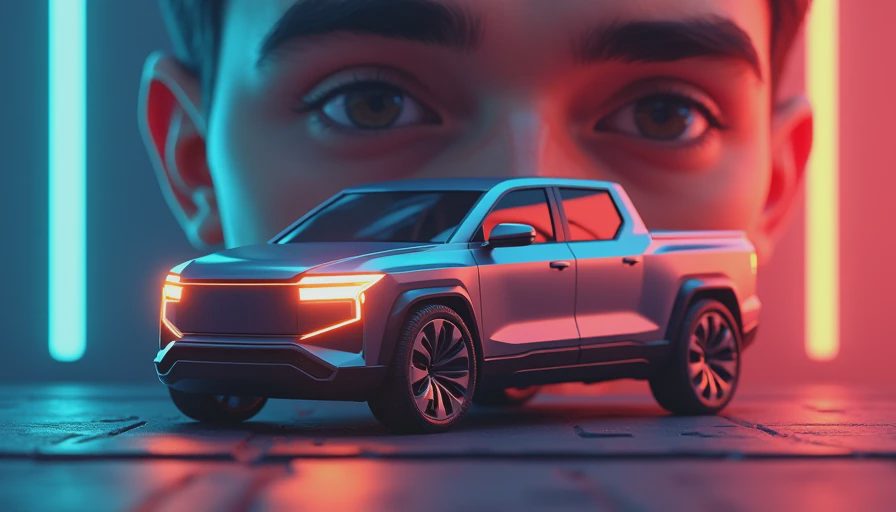
The cybertruck has the visual presence of a concept vehicle, with flat body panels, a steep windshield, a high beltline, and a roofline that drops more dramatically than a conventional pickup’s. Its stainless-steel exterior attracts attention in a way that a Ford F-150 Lightning or Rivian R1T generally does not. At a gas station, parking lot, or school pickup line, expect questions.
That attention comes with practical considerations. The body is wide, the turning circle feels substantial, and the slab-sided shape makes the vehicle’s corners difficult to judge until the cameras become familiar. Its powered tonneau cover is useful, and the lockable bed offers weather protection, but the bed is shorter and less traditionally shaped than what many full-size truck buyers expect.
The exterior also asks owners to accept a different relationship with maintenance. Stainless steel resists conventional paint damage, but surface marks, fingerprints, and uneven discoloration can be obvious. Repairs after a collision are not as straightforward as fixing a painted fender on a Silverado. The design is brave; it is not necessarily forgiving.
Performance that embarrasses sports cars
Acceleration is the cybertruck’s clearest engineering victory. Depending on the version, Tesla quotes 0-to-60-mph times ranging from the mid-four-second area for the all-wheel-drive model to roughly 2.6 seconds for the high-performance Cyberbeast when equipped and prepared as Tesla specifies. Those are extraordinary figures for a vehicle with a useful cargo bed and a tall driving position.
The Cyberbeast is entertaining in the same slightly absurd way as a muscle car with a trailer hitch. Press the accelerator and the truck surges forward with no gearshift pause and very little drama from the electric motors. The all-wheel-drive model is the more sensible choice for most buyers, offering abundant power without turning every on-ramp into a launch event.
Handling is better than the dimensions suggest. Rear-wheel steering helps reduce the truck’s apparent bulk at low speeds, while the low-mounted battery keeps body motion controlled. Still, this is not a sports sedan. The steering can feel artificial, the ride becomes busy on broken pavement, and the vehicle’s mass remains apparent under hard braking or quick transitions.
Range, charging, and road-trip reality
The cybertruck is at its best when the owner can charge at home. Overnight charging turns a large battery into a convenient daily routine, particularly for drivers with a 240-volt installation. Tesla’s Supercharger network remains one of the vehicle’s strongest advantages, giving owners a familiar route-planning system and broad access to fast charging.
Road trips are more complicated than the acceleration figures suggest. Range depends heavily on speed, temperature, wheel choice, payload, and towing. Large tires and a blunt frontal shape do not help efficiency, and towing can reduce usable range dramatically. A driver who regularly hauls a trailer should plan charging stops with more caution than a passenger-car EV owner.
The cybertruck can use Tesla’s charging ecosystem, but compatibility and adapter details deserve attention before purchase. Charging at older public stations may be slower or less convenient, and long-distance travel still rewards a little patience. The truck is excellent for predictable commuting and regional travel; it is less carefree when carrying a heavy load across several states.

Inside, technology wins and simplicity loses
The cabin is spacious in front, cleanly designed, and dominated by Tesla’s central touchscreen. Materials look modern rather than luxurious, and outward visibility is generally good once the driver adjusts to the high hood and sharp body lines. The flat floor and rear-seat space make the cybertruck useful for adults, tools, and family errands.
The screen controls too much. Adjusting common functions through menus can be distracting, especially when a driver wants a physical switch without taking eyes from the road. Tesla’s software is quick and regularly updated, but a software solution is not always a better solution than a well-placed button.
The driving position is comfortable for many people, although the enormous center console and broad dashboard reinforce the truck’s width. Storage is clever, and the front trunk adds useful cargo space. However, buyers expecting the traditional upright, switch-rich environment of a Ram 1500 may find this interior more like a premium technology product than a familiar work truck.
Utility, towing, and everyday ownership
The cybertruck can tow and carry serious weight, but its usefulness depends on how often those abilities are needed. A light utility trailer or weekend load is well within its mission. Frequent towing, maximum payload work, or constant use on rough job sites points more naturally toward a conventional full-size truck with extensive dealer support and easier body repair.
The powered bed cover, built-in power outlets, and adjustable suspension add genuine value. The vehicle can serve as a mobile power source for tools or camping equipment, and the enclosed bed protects luggage better than an open pickup box. Those features are more meaningful than the polarizing exterior because they improve how the truck works day after day.
Ownership costs are harder to predict. Electricity is often cheaper than gasoline for routine driving, but insurance, tire replacement, collision repairs, and depreciation deserve serious attention. Tesla’s direct-sales model and service experience vary by location, so local access to qualified repair support should be part of the buying decision. Get an insurance quote before signing anything; the monthly premium can change the financial case quickly.
Who should buy it?
The cybertruck makes sense for an early adopter who wants unusual design, startling acceleration, home charging, and enough truck utility for recreation or light-duty work. It also suits a Tesla loyalist who values the Supercharger network and prefers software-led ownership.
It is a weaker choice for a contractor who needs maximum bed flexibility, a rural driver far from service facilities, or a household that expects a pickup to behave like every pickup before it. The Ford F-150 Lightning is more familiar and easier to integrate into a traditional truck lifestyle. The Rivian R1T offers a similarly electric approach with a more conventional footprint and a more polished adventure-oriented identity.
The cybertruck is not a universal replacement for gasoline pickups. It is a specialized answer to a broad question, and its best owners will understand that distinction before delivery day.
The Verdict: pros, cons, and whether you should actually buy one
Pros. Blistering acceleration, distinctive styling, strong software integration, useful power outlets, a protected cargo bed, and access to Tesla’s extensive fast-charging network. The low center of gravity also gives the cybertruck better composure than its size and shape imply.
Cons. Width, weight, charging penalties when towing, screen-heavy controls, uncertain repair costs, and a design that can make ordinary parking and bodywork more complicated. It is also expensive to buy, and the most dramatic performance version is difficult to justify as a work tool.
Bottom line. Buy the cybertruck if you want an electric pickup that makes every commute feel like an event and your daily hauling needs are moderate. Skip it for a conventional F-150, Silverado, or Ram if dependable work-truck familiarity matters more than spectacle.
Score: 7.5 out of 10. The cybertruck is a remarkable machine with a clear personality, but it is not the easy answer. It succeeds when judged as a bold electric performance truck and falls short when asked to replace every kind of pickup at once.