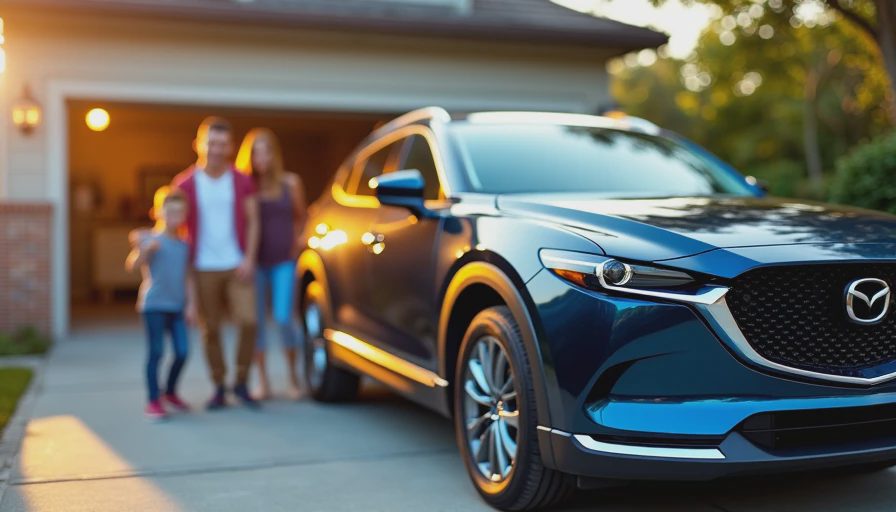
From behind the wheel of the Mazda cx 90, the first thing you notice is how un-SUV-like it feels. The steering weights up naturally, the chassis rotates with intent, and the inline-six under the hood pulls with a smoothness you don't expect from a three-row family hauler. This is not a van in disguise. It's a genuine driver's SUV, and that alone sets the Mazda cx 90 apart in a segment dominated by appliance-like competitors.
On paper, the cx 90 seems like a long shot. Mazda is a niche player in the three-row segment, going up against the Toyota Highlander, Honda Pilot, and Kia Telluride—cars that sell hundreds of thousands of units per year. But after a full week of testing through canyons, freeways, and suburban errands, I can report that the cx 90 doesn't just compete; it leads in several key areas.
What Makes the cx 90 Different from Other Three-Row SUVs
The biggest differentiator is the powertrain. While most rivals use V6 or turbo-four engines mated to a continuously variable transmission, the cx 90 offers a turbocharged inline-six cylinder engine—a 3.3-liter unit in two states of tune. The base version delivers 280 horsepower, while the higher-output S model makes 340 horsepower. Both pair with an eight-speed automatic transmission that shifts with a crispness you'd expect from a sedan, not an SUV. Rear-wheel drive is standard, with all-wheel drive available on all trims. This layout gives the cx 90 a balanced feel that front-drive-based competitors can't match.
Another unique feature is the chassis: the cx 90 uses Mazda’s large-architecture platform with a multi-link rear suspension and standard Kinematic Posture Control, which brakes the inside rear wheel during cornering to reduce understeer. The result is an SUV that turns in eagerly and holds its line with confidence. The steering is communicative and well-weighted, something you rarely find in this class.
Performance and Driving Dynamics
On my test route through the Angeles National Forest, the cx 90 S model made short work of the twisty sections. The engine delivers strong mid-range torque, and the transmission kicks down promptly when you squeeze the throttle. The ride is firm but compliant—firmer than a Highlander, but never harsh. Body roll is well controlled, and the brakes have a reassuring pedal feel with good fade resistance after repeated hard stops.
Off the line, the 340-horsepower S model hits 60 mph in about 6.3 seconds, which is quick for a three-row SUV. The base engine is no slouch either, with a 0-60 time around 6.8 seconds. Observed fuel economy over my week of mixed driving was 22 mpg, close to the EPA combined estimate of 23 mpg. Not class-leading, but competitive.
The only dynamic letdown is the steering at low speeds—it's a bit heavier than most buyers expect, and parking lot maneuvers require more effort than you'd get from a Pilot or Telluride. However, once you're moving, the weight feels natural.
Interior Quality and Practicality
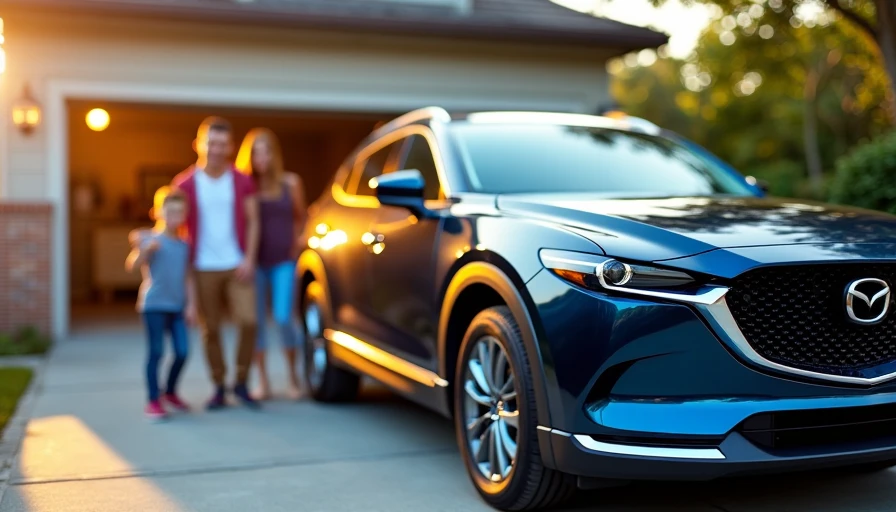
Inside, the cx 90 impresses with materials that are clearly a cut above its price point. The base model includes leatherette upholstery, while higher trims get real Nappa leather and genuine wood trim. The design is clean and driver-focused, with a dash that curves toward you and a large 12.3-inch infotainment screen controlled by a rotary dial on the console. It takes some getting used to, but once you do, it's less distracting than a touchscreen.
Passenger space is generous for the first two rows. The third row is best reserved for children or small adults on short trips—it's tighter than a Telluride's third row, but typical for the segment. Cargo space behind the third row is 14.9 cubic feet, which is less than the Highlander's 16.0 but enough for a few suitcases. Fold the third row flat, and you get 40.1 cubic feet.
One practical complaint: the interior storage is limited. The center console is shallow, and door pockets are narrow. There's no bin for your phone if you use the wireless charging pad, which is under the center stack. It's a minor frustration in an otherwise excellent cabin.
Pricing and Trims
The 2025 Mazda cx 90 starts at $40,970 for the base 3.3 Turbo Select with rear-wheel drive. That's competitive with the Highlander and Pilot. The 340-horsepower S models begin at $47,150 for the S Select, and the top-line S Premium Plus runs $56,000. A plug-in hybrid version is also available, starting at $51,950, with 26 miles of electric range. For most buyers, the mid-level Turbo Preferred or S Preferred strikes the best balance of features and value.
Standard equipment includes adaptive cruise control, lane-keeping assist, blind-spot monitoring, and rear cross-traffic alert. The S Premium adds a 360-degree camera, ventilated front seats, a 12-speaker Bose audio system, and a panoramic sunroof. All trims get Mazda's i-Activesense safety suite, which performed well in our testing.
The Verdict: Pros, Cons, and Whether You Should Actually Buy One
**Pros:**
- Engaging driving dynamics—best-in-class for handling
- Powerful and smooth inline-six engine
- Upscale interior materials and design
- Standard rear-wheel drive improves balance
**Cons:**
- Third row is tight for adults
- Low-speed steering is heavy
- Infotainment interface requires acclimation
- Less cargo space than key rivals

**Score:** 8.0/10
**Bottom Line:** The Mazda cx 90 is not the most practical or spacious three-row SUV, nor does it try to be. Instead, it offers something the segment desperately needs: genuine driving pleasure. If you value dynamics over maximum cargo volume, the cx 90 delivers in spades. It's a family SUV that actually rewards the person behind the wheel. For enthusiasts who have to ferry kids, this is the one to buy.
**Who should buy it:** Driving enthusiasts who need three-row seating, buyers who want an upscale interior without a luxury badge, and anyone tired of the appliance-like feel of the segment leaders.
**Who should skip it:** Shoppers who prioritize maximum third-row space or the lowest possible price; families who carry adults in the third row regularly.
The Mazda cx 90 proves that a family SUV can still be engaging. It's not perfect, but it's a refreshing alternative in a class that often feels like a compromise. The Verdict: pros, cons, and whether you should actually buy one—yes, you should, if you care about how your car drives.