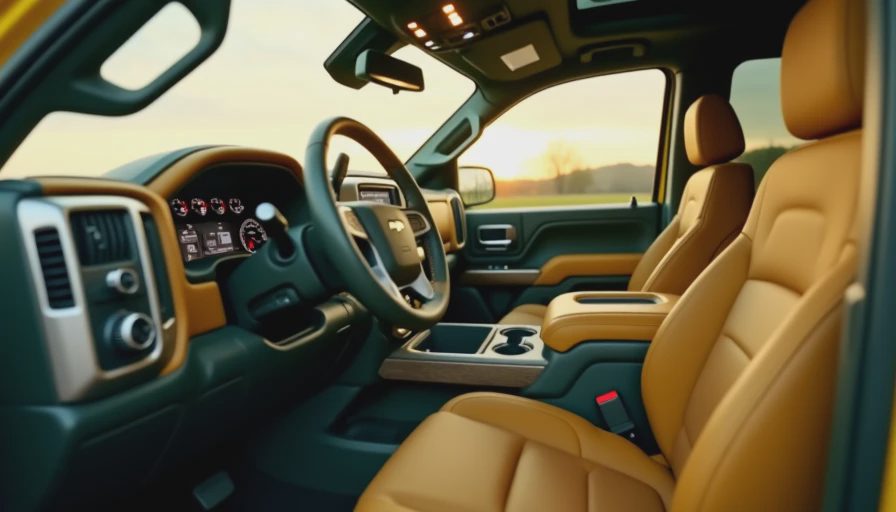
From behind the wheel, the first thing you notice about the **Silverado EV Trail Boss interior** is the commanding view of the trail ahead, but the cabin doesn't shout "heavy-duty truck" at you—it whispers "premium utility." GM’s electric pickup has been making headlines for its range and capability, but the interior is where you’ll spend your time. After a full day of mixed driving and light off-roading, here’s my detailed take on what works, what doesn’t, and whether you should write the check.
First Impressions: The Cabin’s Character
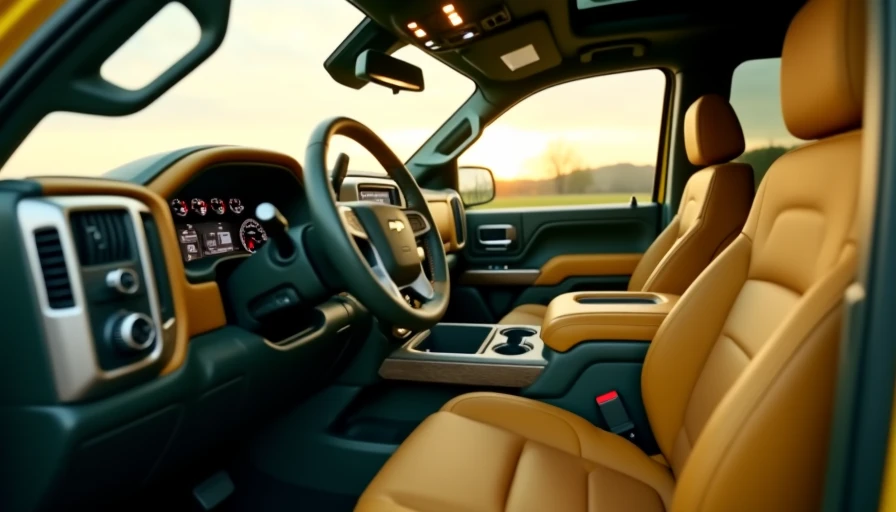
The Trail Boss trim is Chevrolet’s off-road-oriented package, but inside, it blends ruggedness with unexpected comfort. The flat-bottom steering wheel, unique to this trim, feels purposeful. The seats are upholstered in a combination of cloth and synthetic leather—durable but not cheap. The main gauge cluster is a 11-inch digital display, crisp and configurable. Ambient lighting in the footwells and door handles adds a modern touch. However, the first impression is that this cabin is wider than you expect, thanks to the absence of a transmission tunnel. The flat floor front and rear liberates knee room.
Materials and Build Quality
Chevrolet has made judicious use of materials. The upper dashboard is soft-touch, the center console gets padded surfaces, but the lower door panels are hard plastic—acceptable for a truck at this price point ($70k-ish). The Trail Boss adds orange accent stitching on the seats and steering wheel, a subtle nod to its off-road intent. The grab handles on the A-pillar are sturdy, and the rubberized floor liners are a foot-friendly bonus. Build quality felt solid, with no squeaks or rattles over washboard trails.
Technology and Infotainment
The centerpiece is a 17.7-inch portrait-oriented touchscreen running Google Built-in. It’s responsive, with crisp graphics, but screen smudges accumulate quickly. Wireless Apple CarPlay and Android Auto are standard. The system includes a host of EV-specific pages showing range, charging status, and power flow. The trailering profile is detailed, but the screen can feel overwhelming at first. Physical switches for volume and climate are preserved—thank you. The Bose premium audio system is optional; the standard setup is adequate but not exceptional.
Space and Practicality: The Midgate Magic
One of the **Silverado EV Trail Boss interior**’s party pieces is the Midgate—a pass-through from the cab into the bed. With the rear seats folded and the panel open, you can carry 10-foot lengths of lumber inside, fully enclosed. The frunk (front trunk) offers an additional 10.2 cubic feet of waterproof storage. Rear seat room is limousine-like; three adults can sit comfortably, though the outboard positions are more supportive. The rear seatbacks fold flat, creating a nearly level load floor. Cargo versatility is best-in-class.
Critiques and Compromises
No interior is perfect. The silverado ev trail boss interior sacrifices some traditional truck cubbies because of the battery-pack layout. The center console is deep but lacks a sliding tray. The rear seat cushions are a touch low, and the headroom is ample but the roofline creates a slight blind spot over the shoulder. The digital rearview mirror is standard; its camera gives a wide view but can be disorienting. Also, the glossy black trim on the center stack shows fingerprints immediately. These are minor gripes in an otherwise well-considered cabin.
How the Silverado EV Trail Boss Interior Compares to Rivals
Shoppers cross-shopping the Silverado EV Trail Boss inevitably look at the Ford F-150 Lightning Lariat and the Rivian R1T Adventure. The **Silverado EV Trail Boss interior** offers more front and rear legroom than either rival, thanks to the flat floor. The Lightning’s cabin feels more conventional with a traditional transmission tunnel, while the R1T feels narrower and more car-like. Material quality is comparable: Ford uses soft-touch surfaces but the Silverado’s orange stitching adds personality. Rivian’s vegan leather and wood accents are upscale but less rugged. The Midgate gives Chevy a clear storage advantage; Ford’s Mega Power Frunk is useful but smaller. On tech, the Lightning’s 15.5-inch screen is also portrait, but its Sync4A lacks Google’s app ecosystem. Rivian’s UI is beautiful but has fewer EV-specific pages. For off-roaders, the Silverado’s cabin has a more robust feel with rubberized floors and grab handles that the others don’t emphasize. However, the Rivian offers more standard driver-assist features and a quieter ride. Pricing: the Trail Boss starts around $72k, similar to a Lightning Lariat with extended range and above a base R1T. Ultimately, the Silverado EV Trail Boss interior wins on sheer space and versatility, but rivals lead in refinement and tech polish.
Verdict: Pros, Cons, and Whether You Should Actually Buy One
**Pros:**
- Extremely spacious cabin with flat floor
- Midgate and frunk provide unmatched cargo flexibility
- Google-based infotainment is fast and intuitive
- Off-road touches (stitching, grab handles) are well-executed
**Cons:**
- Some hard plastics below beltline
- Glossy black trim is a smudge magnet
- Rear seat cushion angle could be better for long trips
- Screen-centric controls have a learning curve
**Bottom line:** The **Silverado EV Trail Boss interior** delivers the comfort and technology you expect from a $70,000 electric truck, but retains enough rubber-floor practicality to justify the Trail Boss badge. If you need a workhorse that doubles as a family hauler and can take you deep into the backcountry, this cabin won’t disappoint.
**Score: 7.5/10**