From behind the wheel, the first thing you notice is how little apology this car makes for being quick. The 2026 Corvette is still the sort of machine that turns an ordinary on-ramp into a small event, and that is the point. I have not put a full day in a production 2026 Corvette yet, so this is a buyer's read rather than a final instrumented test, but the formula is familiar enough to judge. Chevy has built a mid-engine coupe that feels expensive when it should, and still looks like a bargain when you compare it with the right rivals.
2026 Corvette trims and pricing
The smart place to start is money, because that is where the Corvette keeps winning arguments. The entry car should remain the Stingray, and that means a starting point somewhere in the low $70,000 range before you lean into options. Move up the ladder and the E-Ray brings hybrid all-wheel drive and a much higher sticker, while Z06 asks for serious money in exchange for a track-ready personality. If the ZR1 stays in the lineup at the expected premium, it will push the Corvette into territory that used to belong to Italian exotica.
That spread matters because it lets the buyer choose the kind of speed they want instead of simply the amount. A base car is already more than enough for most people. A loaded example with the front-axle lift, upgraded seats, a Performance Data Recorder, and bright trim can climb fast, though it still usually undercuts a Porsche 911 with similar equipment. The 2026 Corvette remains unusual because the trim walk is not fake prestige. Each step changes the character of the car.
If you buy one, shop with restraint. A Stingray with the right boxes checked often makes more sense than a half-priced leap into a halo trim with a handful of flashy extras. The Corvette has always been strongest when it is priced like a sports car and driven like one.
How it feels on the road
What makes the chassis work is not just outright grip, but the way it stays calm when the pavement gets rough. The steering has decent weight, the body control is tight without being brittle, and the car does not feel like it is trying to impress you with artificial drama. On a decent freeway, the cabin settles down better than older Corvettes ever did. That alone will matter to buyers who remember when the name meant speed first and civility later.
Visibility is still the first compromise. You sit low, the rear deck is wide, and the cockpit can feel more cockpit than cabin. Some drivers will love that. Others will notice it every time they back out of a parking space. The ride quality is also trim-dependent. A well-optioned car with the right dampers can be genuinely usable day to day, but the stiffer versions are happiest on smooth asphalt or a track day at Willow Springs.
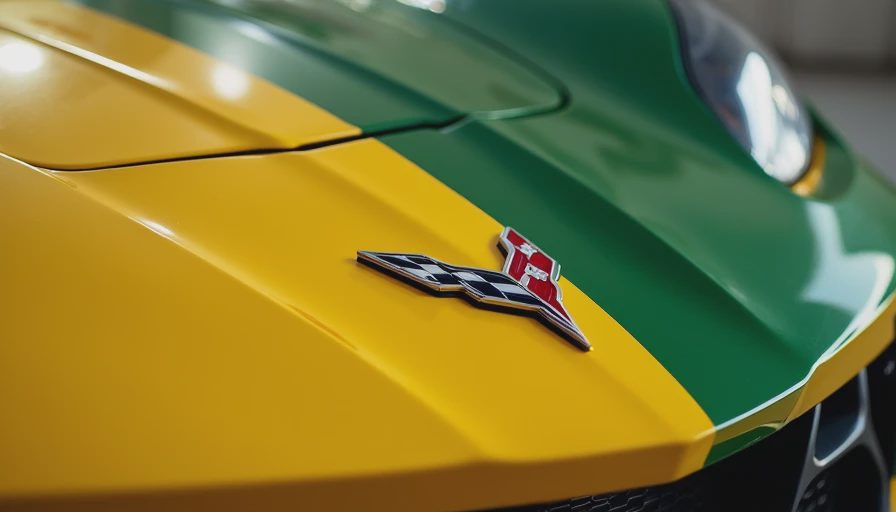
That is where the Corvette's old bargain becomes a new one. It is not just fast for the money. It is fast without needing you to become a full-time specialist to enjoy it. For a lot of buyers, that is the real reason the 2026 Corvette stays relevant while flashier sports cars ask for more money and more patience.
Performance is the headline, but not the whole story
The published numbers still do the heavy lifting. Expect the Stingray to stay in low-3-second territory to 60 mph, which is enough to embarrass plenty of expensive metal. The E-Ray should continue to deliver lightning launches thanks to its front motor and all-wheel drive, and Z06 remains the one for buyers who care more about top-end bite and track endurance than the V8 rumble of the base car. If you want the wild card, the ZR1 is the version that stops being a bargain and starts being a statement.
What those numbers do not show is how usable the speed feels. The Corvette is quick in a way that stays readable. You can meter it out in traffic, work the throttle on a curving road, and still drive home without feeling wrung out. Fuel economy is not the point, but the Stingray is not absurdly thirsty for what it offers, and that helps the car make sense as a weekly driver instead of a special occasion toy.
The powertrain lineup also gives the 2026 Corvette a wider audience than most two-seat sports cars. Some buyers will want the traditional V8 experience. Others will want the hybrid shove of the E-Ray or the sharper edge of Z06. That range is why Chevy can sell the same basic silhouette to very different people.
What to buy, and what to leave on the order sheet
If I were spending my own money, I would start with the Stingray and be careful with the option sheet. That is the sweet spot for most buyers because it captures the shape, the engine, the balance, and the value without forcing you into a payment that belongs to something more exotic. Add the useful equipment first: front-axle lift if your driveway is unfriendly, better seats if you plan to cover miles, and the driver aids and cameras that make a low-slung sports car easier to live with.
If your life includes winter weather or you simply want more traction and a harder launch, the E-Ray is the more interesting all-rounder. If your idea of a great weekend includes track pads, brake fluid, and tire temps, Z06 is the honest enthusiast choice. The ZR1, if you can buy one at a rational number, is for the buyer who wants the story as much as the car.
There is one caution that never goes away: options can turn a sharp-value sports car into a very expensive one fast. Carbon fiber wheels, special paint, and boutique trim packages look great on the window sticker, but they do not make the car any better at being a Corvette.
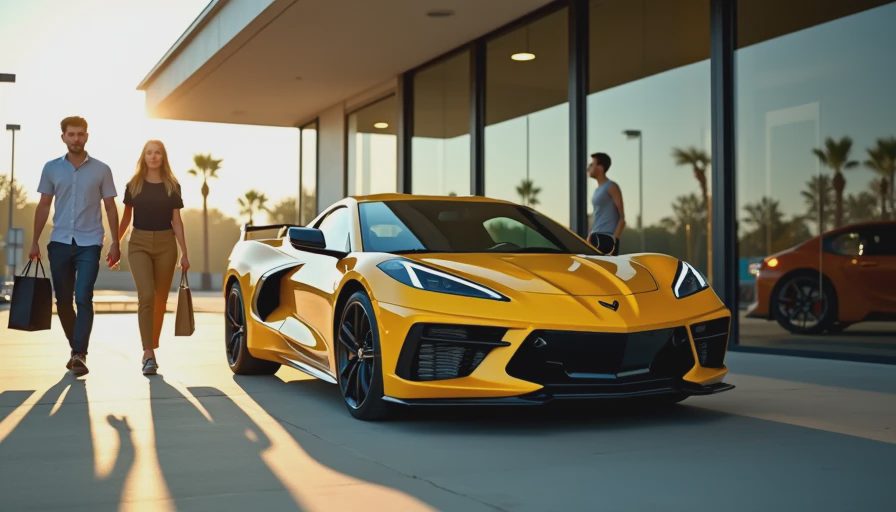
How it stacks up against the usual suspects
Cross-shop it against a Porsche 911 and the Porsche still wins on refinement, image, and the long-established magic trick of being good at everything. But the 2026 Corvette makes the 911 work harder for its premium. It offers similar day-to-day usability in some trims, more visual theater for the money, and performance that gets uncomfortably close to much pricier machinery.
That is why the comparison never goes away. On paper, it is the Porsche. In practice, it is the Corvette that most buyers will remember after the test drive. You get a car that looks like it belongs in a poster, sounds like a sports car should, and delivers enough real-world storage to make a weekend trip possible. The frunk and rear cargo area are not SUV solutions, but they are useful enough to matter.
The final question is not whether the Corvette is fast. It is whether the balance of speed, price, and livability still feels fresh. In 2026, the answer is yes. Chevy has turned a once one-dimensional nameplate into something that can plausibly serve an enthusiast who wants one car to do a lot of jobs.
Verdict
Pros are the value, the pace, the mid-engine balance, and the fact that the car still feels special when you walk up to it in a parking lot. Cons are the limited rearward visibility, the cabin that can feel tight in daily use, and the way option pricing can push the sticker into more serious money than the base car suggests. Bottom line, the 2026 Corvette is still the sports car I would point a smart buyer toward first if they want real performance without paying supercar money for the badge.
Score: 8.5/10.
If you want the short answer, buy the Stingray for the best value, the E-Ray for all-weather punch, or Z06 if your weekends include track time. For everyone else, the 2026 Corvette remains the rare American performance car that earns its reputation every time you drive it.