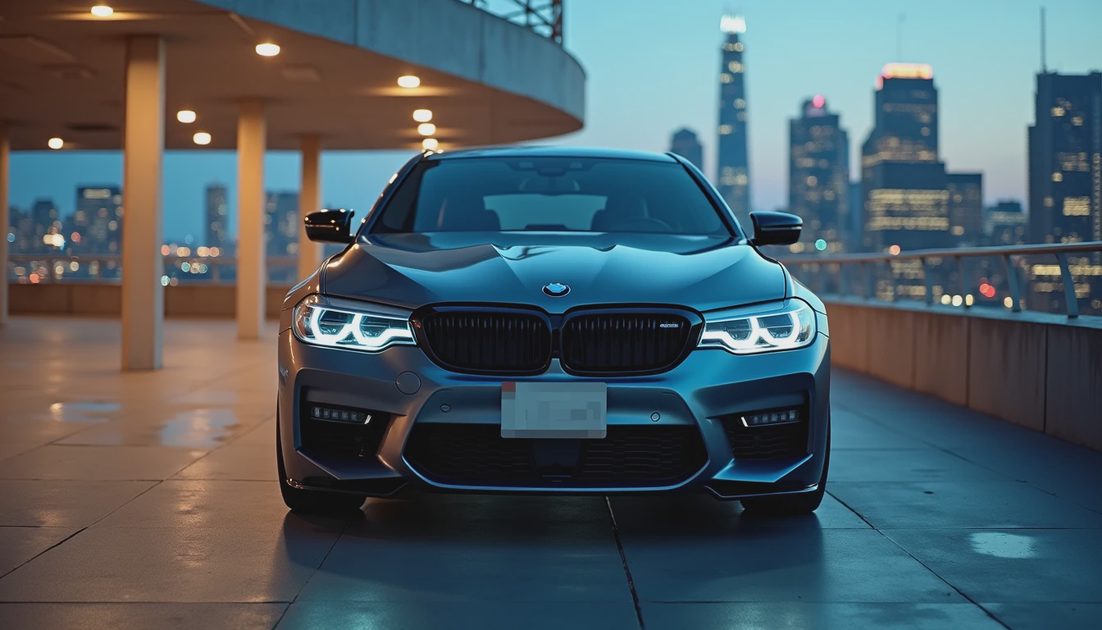
The $115,000 Rule: How Car and Driver Picks Its 2026 10Best Winners
The steering wheel of a modern test car rarely talks, but the chassis always does, transmitting exactly where the contact patches are working through the seat of your pants. After two solid weeks of shuffling through more than a hundred contenders, that quiet dialogue between tire and tarmac is what separates a competent daily driver from a 10Best winner.
Car and Driver’s annual competition has never been a popularity contest. It is a back-to-back stress test conducted on the same stretches of asphalt, with the same evaluators, under the same conditions. For the 2026 cycle, the staff convened to run more than 100 new and substantially updated vehicles through a gauntlet that leaves even seasoned journalists bone-tired. The premise is brutally simple: to earn a spot, you must be on sale by January 2026, start at $115,000 or less, and actively dethrone a vehicle that already cleared a very high bar. The final roster is split between cars and trucks and SUVs, with each category judged against the same three non-negotiable tenets: mission performance, value for money, and joy behind the wheel.
The $115,000 Ceiling
Price caps exist for a reason. They force the evaluation back to reality. A $115,000 starting MSRP still places a vehicle firmly in the premium segment, but it strips away the cushion that unlimited budgets provide. When a manufacturer can throw endless capital at suspension geometry, acoustic damping, or bespoke materials, engineering compromises become invisible. At this threshold, the shortcuts are still visible. You notice the thinner door seals, the slightly slower infotainment boot time, the way the adaptive dampers hunt for a middle ground between compliance and control. The 2026 list rewards vehicles that maximize their allotted budget rather than those that hide behind it.
What the Numbers Actually Measure
The evaluation process is deliberately unglamorous. It involves fiddling with infotainment systems while wearing work gloves, clambering into cramped second and third rows, and counting how many carry-on-sized boxes swallow into a cargo bay. Performance metrics are logged with calibrated equipment: acceleration times, braking distances, lateral grip figures, and interior noise levels at steady state. Range and fuel economy are not pulled from window stickers. They are measured on a 75-mph highway loop, which is where aerodynamic drag and final drive ratios actually matter. Every vehicle receives a score out of 100 from each of the 20 evaluators. The math is transparent, but the final rankings come down to how well the machine executes its purpose without insulting the driver’s intelligence.
Joy is the hardest metric to quantify, which is why it carries the most weight. A compact SUV can perfectly execute its mission as a grocery getter and still feel utterly soulless on a winding canyon road. A grand tourer can post respectable numbers and still isolate the driver so thoroughly that the experience feels clinical. The 2026 winners manage to thread that needle. They offer predictable torque delivery, steering that communicates load transfer without artificial weighting, and cabin environments that prioritize ergonomics over trend-chasing glass cockpits. They are not flawless. Every vehicle on the list carries a compromise, whether it’s firm ride quality, a sluggish low-speed throttle map, or infotainment menus that require too many taps to adjust climate settings. Perfection is a marketing term. Competence with character is what earns the badge.
The roster shifts yearly because the competition does not rest. Last year’s winners are invited back into the pool, meaning the 2026 lineup is not just a collection of new releases. It is a survival list. A carryover model keeps its spot only if it continues to outperform the new entries. That is why the final tally feels less like a press release and more like a field report. The vehicles that made the cut proved they can handle real-world demands, deliver measurable value, and still make the drive feel intentional. In an era of software-defined everything, that remains the only metric that matters.
Verdict
Pros: Rigorous back-to-back testing on identical routes; transparent 100-point scoring system from 20 independent evaluators; $115,000 price cap forces genuine value evaluation; rewards vehicles that balance daily usability with measurable driving engagement.
Cons: Excludes ultra-premium vehicles over $115k that may still represent engineering milestones; joy metric, while weighted heavily, remains inherently subjective across different driver preferences; cargo and infotainment evaluations can occasionally overshadow mechanical refinement in tightly scored categories.
Bottom Line: The 2026 10Best list succeeds by refusing to inflate scores or chase manufacturer narratives. It rewards vehicles that execute their core mission without relying on unlimited budgets, delivering a balanced roster of machines that are competent, valuable, and genuinely enjoyable to drive.