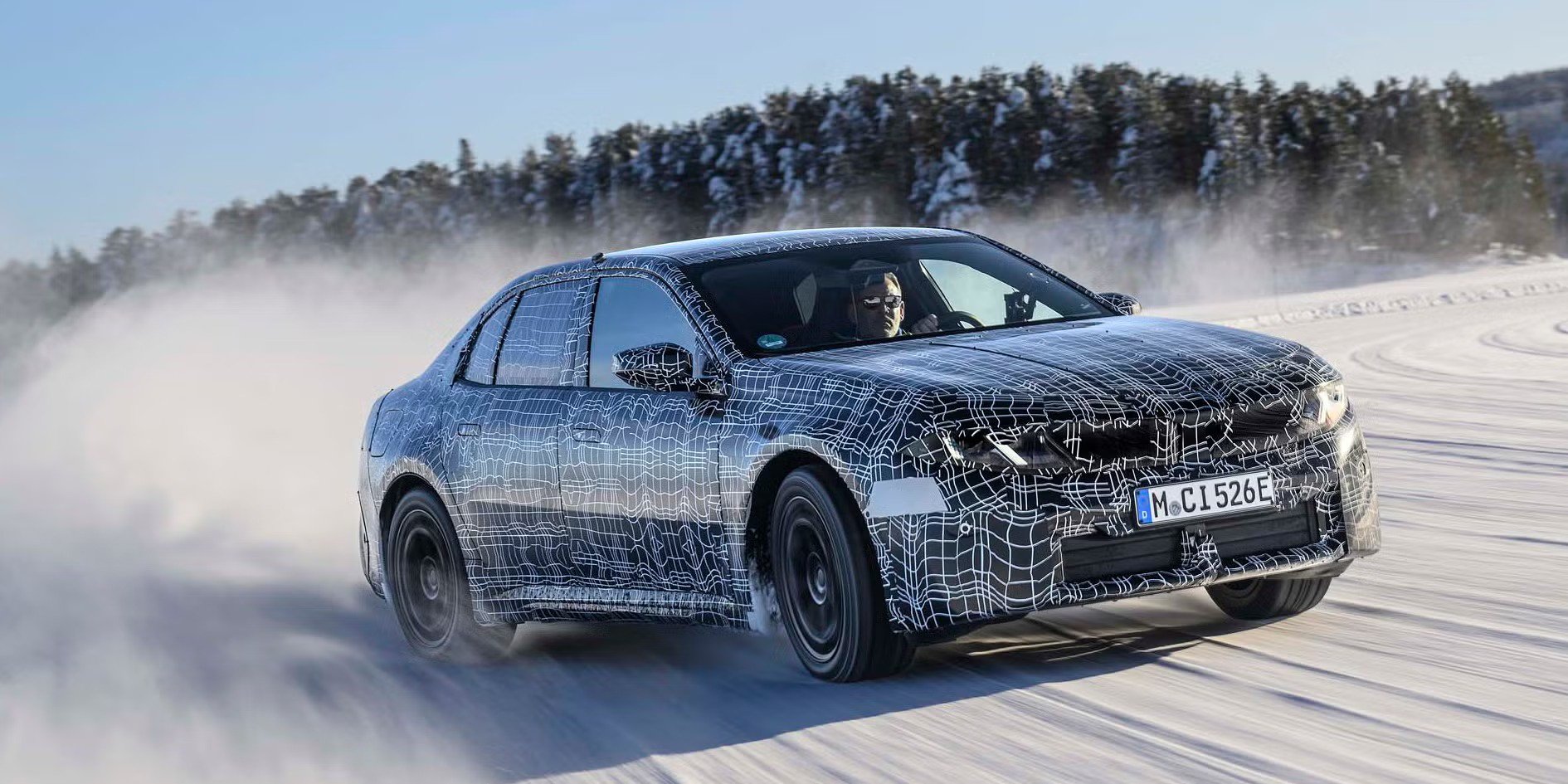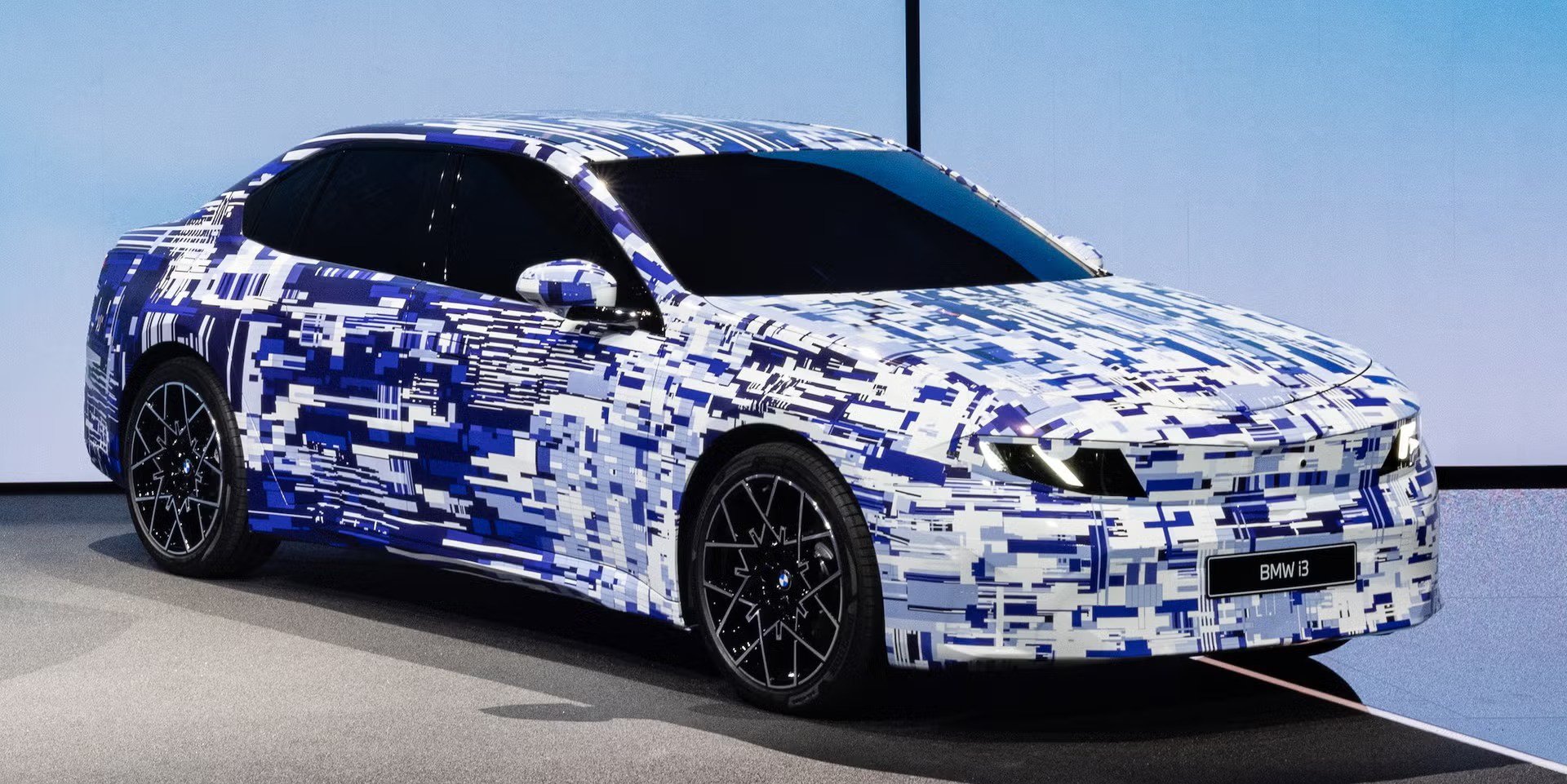
The original "Neue Klasse" BMW sedans of the 1960s rescued the company from near-bankruptcy. Now BMW is borrowing that name again for an entirely new generation of electric vehicles: the iX3 SUV and the i3 mid-size sedan. The stakes aren't quite as existential this time, but a great deal still depends on how this new family of cars lands.
The i3 badge has appeared before — on a radically different city car offered as either a full EV or with a range-extending engine. The new i3 has no connection to that earlier model. Instead, it's the electric equivalent of the 3-series sedan, following the same naming logic that makes the i5 the EV counterpart to the 5-series and the i7 to the 7-series. In terms of dimensions, the new i3 is 1.6 inches longer, 1.5 inches wider, and 1.6 inches taller than the current 3-series, and its wheelbase has grown by nearly 2 inches.
Unlike the i5 and i7, which share their platforms with their combustion-engined siblings, the i3 uses an all-new architecture co-developed with the iX3. It incorporates an 800-volt electrical system capable of accepting up to 400 kW of charging power — when public chargers capable of delivering that much eventually arrive. A standard NACS port is included, with a CCS adapter available. The maximum AC charging rate for U.S. models is 15.4 kW. The battery pack, which functions as a structural element of the car, uses cells that are 20 percent more energy-dense than those in BMW's larger EVs. Total capacity is 109 kWh, and BMW estimates a maximum EPA range of approximately 440 miles.
The flagship i3 50 xDrive uses two motors fed by that pack, producing 463 horsepower and 476 pound-feet of torque; specs for additional i3 variants haven't been disclosed yet. On the computing side, four dedicated supercomputers — each managing its own category of functions — handle processing duties. BMW claims this new architecture delivers 20 times the computational power of previous setups while reducing both weight and complexity.
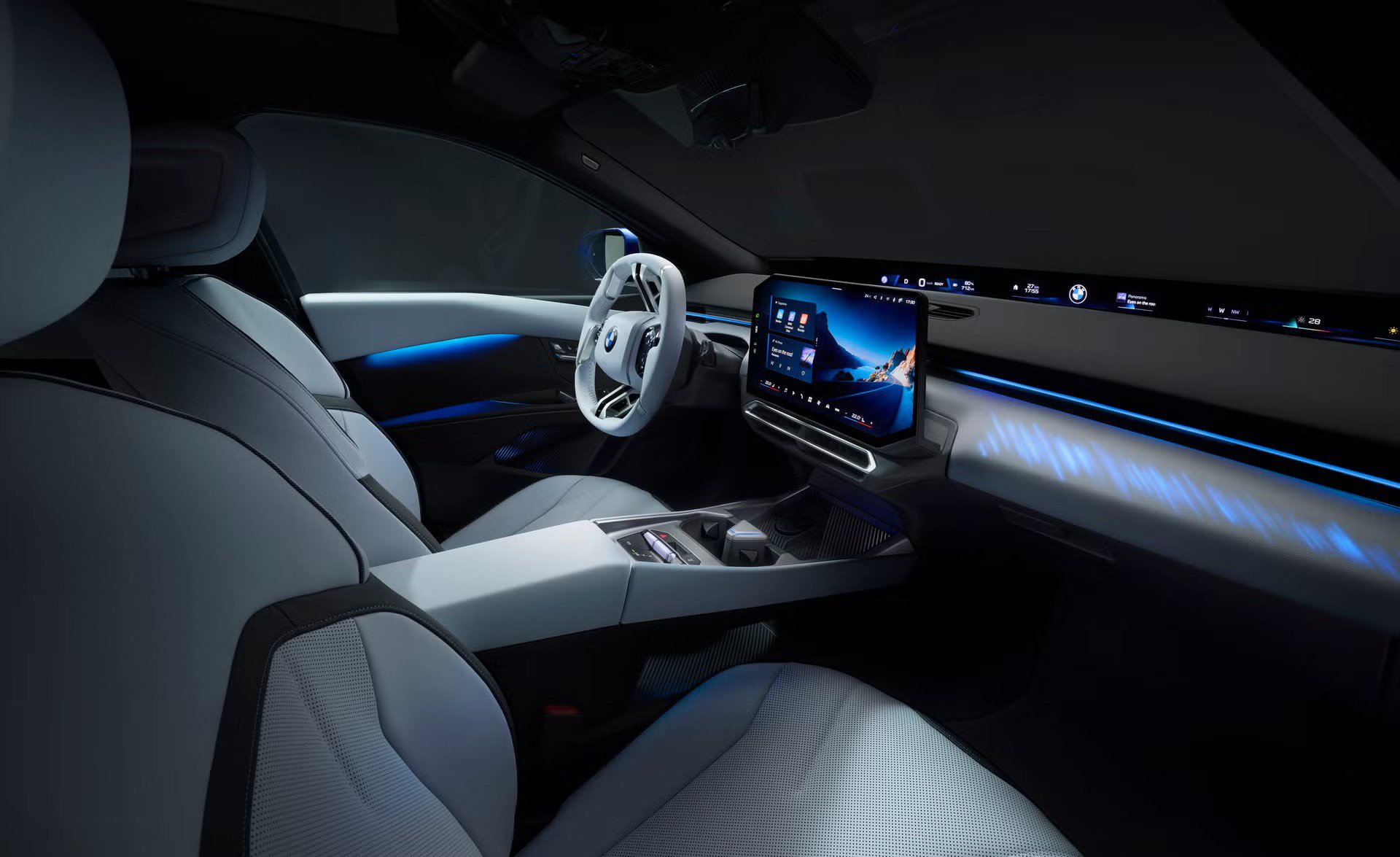
The interior layout mirrors that of the iX3 and represents a significant departure from other current BMW products. A thin, full-width display sits at the base of the windshield — BMW calls it Panoramic iDrive. The section directly ahead of the driver shows conventional instrument data like speed, while the rest of the display is user-configurable. A center touchscreen measuring just under 18 inches is shaped like a parallelogram, positioning controls within easier reach of the driver. An available head-up display rounds out the screen setup. The steering wheel breaks convention with spokes at the top and bottom rather than the sides; buyers who find that too unusual can choose an optional M Sport wheel with spokes at the 4- and 8-o'clock positions.
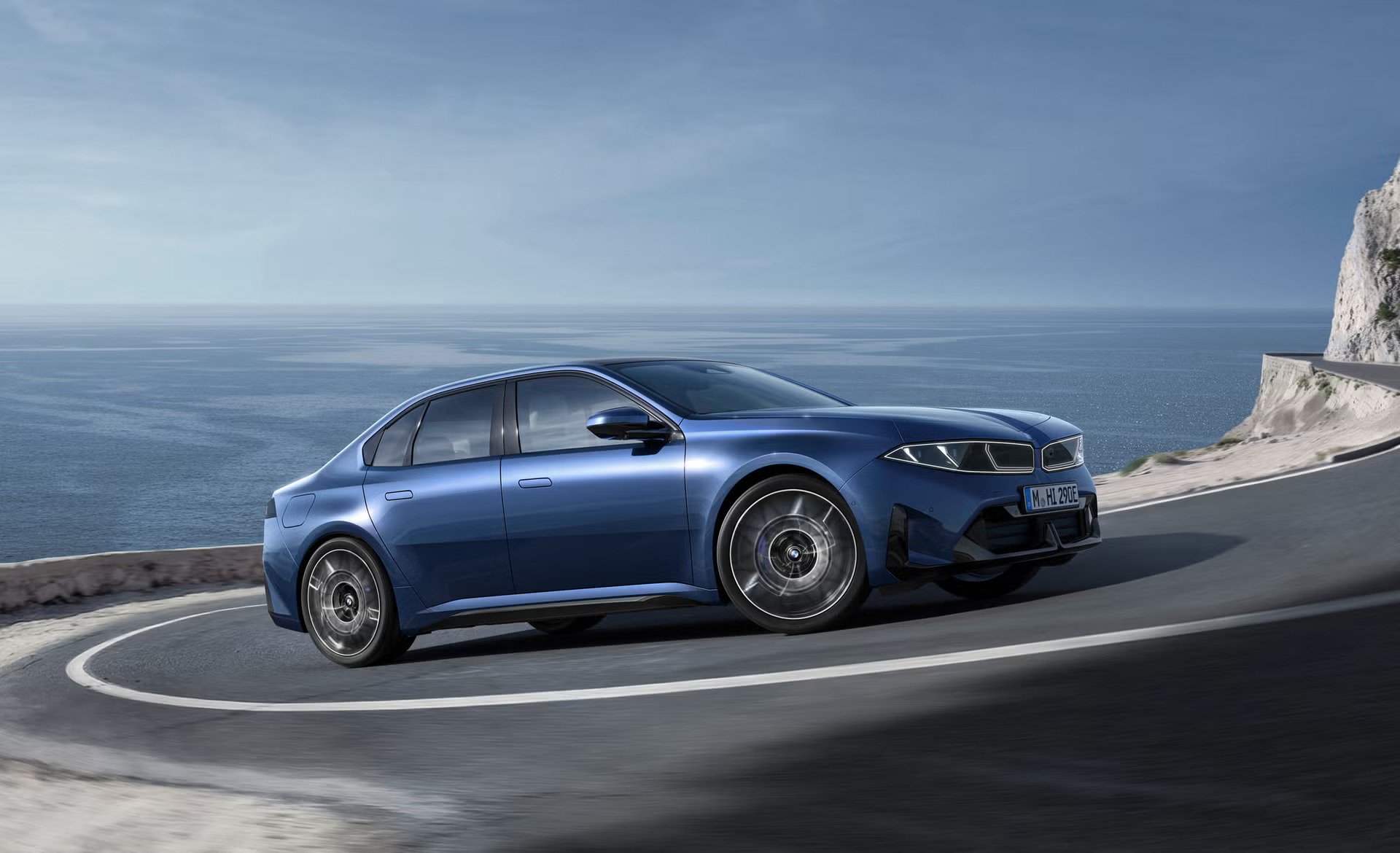
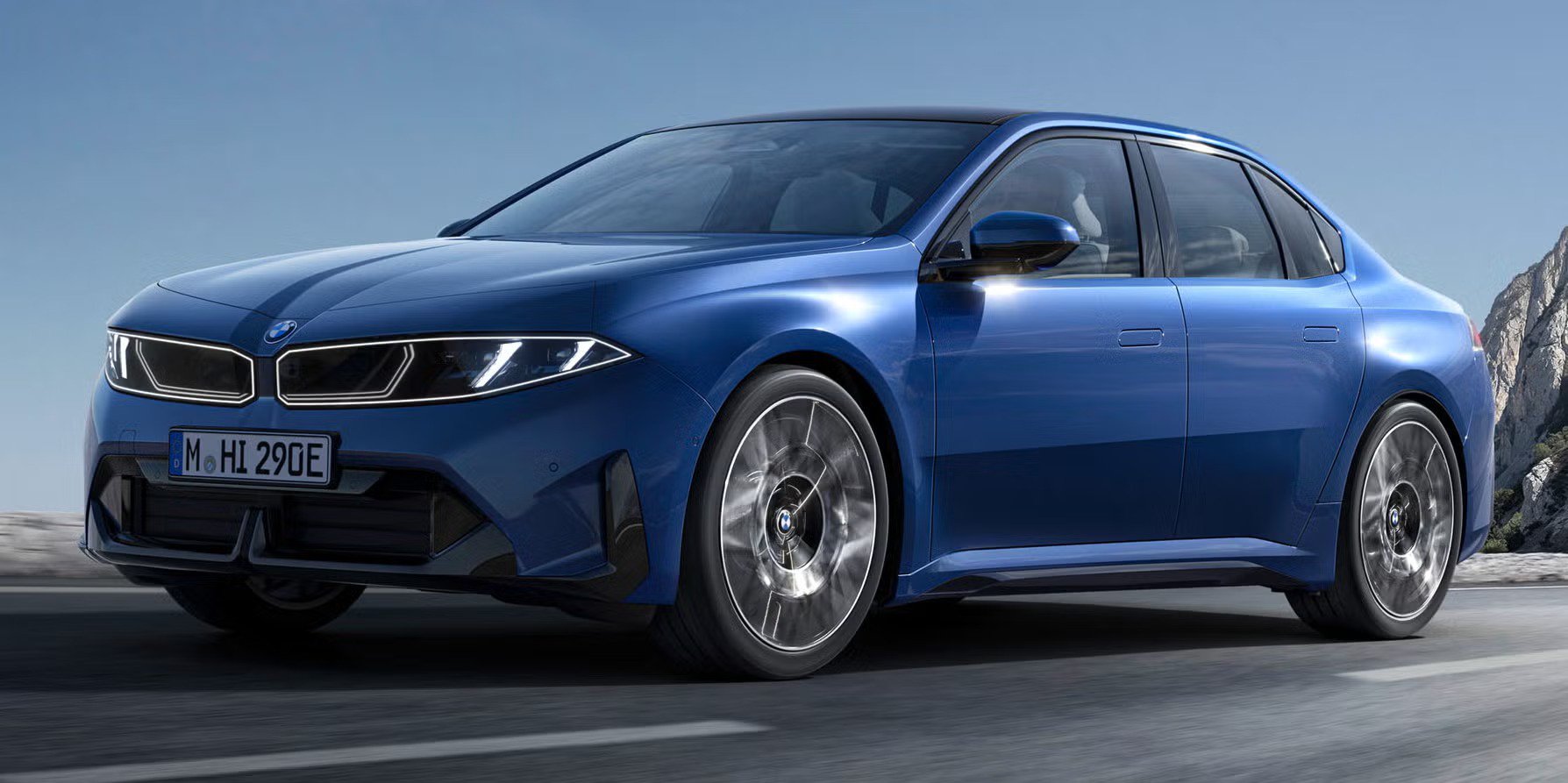
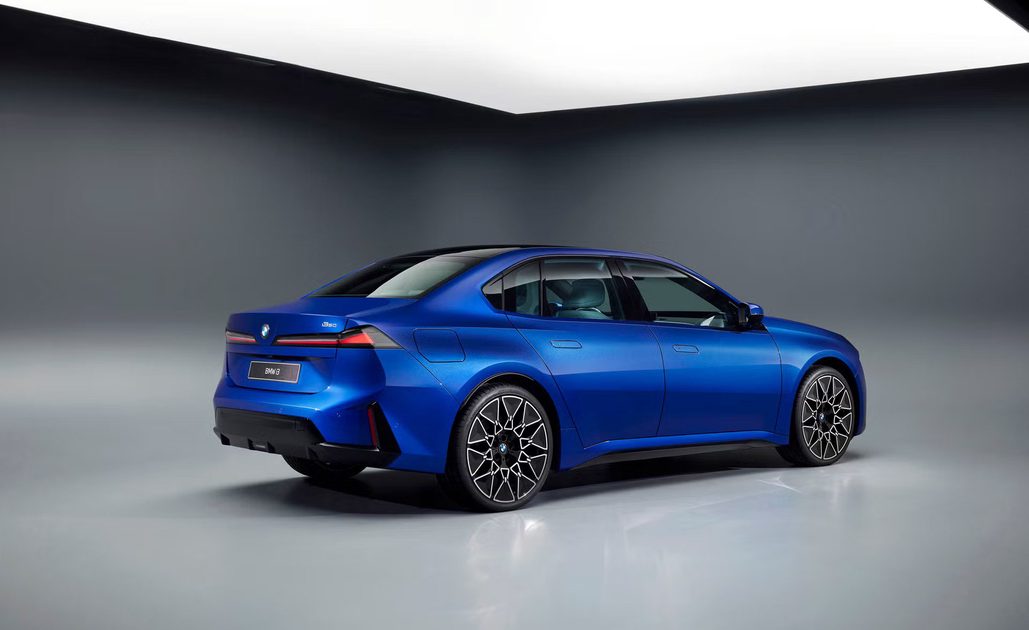
Exteriorly, the i3 still speaks clearly to BMW's heritage. The twin kidney grilles are present — they can be illuminated — and the four-element headlights take a sideways checkmark shape rather than a round form. The entire front fascia leans forward at a 6-degree angle, a contemporary nod to the shark-nose BMWs of the 1970s and '80s. BMW's head of Designworks, Anders Warming, describes this interpretation of classic cues as "the start of a new form language for the entire brand."
For decades, the 3-series has been BMW's defining vehicle. That position may be shifting. BMW now refers to the Neue Klasse family as "the new heart of the BMW brand."