From the driver's seat, a sports sedan has to make sense before the road gets interesting. The 2026 BMW 3 Series makes a persuasive case on paper: the 330i offers 255 horsepower, a choice of rear- or all-wheel drive, and a starting price of $48,000 before additional charges. It's worth shortlisting if you want a compact luxury sedan with genuine performance potential, though options can make the price climb and the controls deserve a close look on a test drive.
The Genesis G70 is an alternative for buyers who want a sporty luxury sedan with its own take on the formula. The Mercedes-Benz C-Class suits those who put cabin design and comfort high on the list. The Acura Integra is a different proposition, but its hatchback shape makes it worth considering if everyday cargo flexibility matters as much as a premium badge. Drive the BMW before deciding whether its particular blend is worth the money.
This is a buying assessment, not a road test: there are no independently measured acceleration, braking, or fuel-economy figures here, and I won't pretend otherwise. The numbers below are BMW's claims, useful for comparison but no substitute for time in the car.
2026 BMW 3 Series: 330i or 330i xDrive?
BMW lists the rear-wheel-drive 330i sedan at a starting MSRP of $48,000 and the 330i xDrive at $50,000. Both are rated at 255 horsepower. Those figures exclude tax, title, registration, and other charges; the dealer sets the actual selling price. Check the window sticker rather than assuming an advertised car matches the base figure.
The $2,000 difference between starting prices buys the xDrive configuration, not additional horsepower. BMW's preliminary 0–60 mph estimates are 5.6 seconds for the 330i and 5.4 seconds for the xDrive. Conditions and vehicle specification affect the result, and neither number should be treated as an independently verified test.
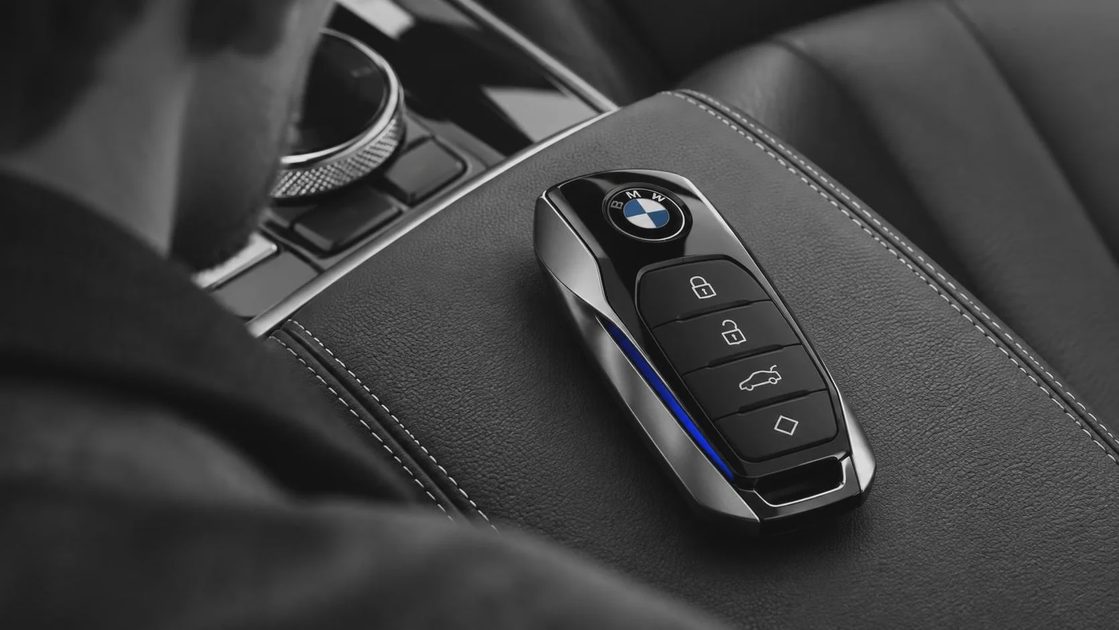
For a buyer in a mild climate, the rear-drive car is the natural place to start. If you regularly deal with snow or slippery roads, the all-wheel-drive model may be easier to justify. Either way, tires matter: all-wheel drive can help a car get moving on a slick surface, but it does not eliminate the need for appropriate tires or shorten stopping distances by itself.
Don't make the decision on the small claimed acceleration gap. Compare the actual cars available, including their tires, equipment, and final prices. A well-equipped rear-drive sedan may cost more than a lightly equipped xDrive, and the features you use every day will matter more than two-tenths on a specification sheet.
Cabin and technology: spend time with the controls
BMW lists Operating System 8.5 with a QuickSelect start screen for the sedan. That is a detail worth investigating in person, not a promise that the interface will suit everybody. Pair your phone, enter a destination, change an audio source, and adjust the climate controls while parked. Then ask a passenger to operate them during the drive. The question is whether common tasks are straightforward enough that you can keep your attention on the road.
Ambient lighting is standard, according to BMW, but cabin atmosphere is only part of the luxury equation. Set the driver's seat for a comfortable reach to the wheel and pedals. Check visibility at intersections and through the rear window, and make sure the display is easy to read in direct sun. If another person will regularly drive the car, have them try the adjustments too.
Rear-seat room is worth checking with the front seats positioned as they would be in daily use. Bring the child seat, booster, or adult passenger who needs to fit back there. Open the trunk and try the luggage or other bulky items you carry most often; a car that looks accommodating in a showroom can be less convenient once a stroller or golf bag is involved.
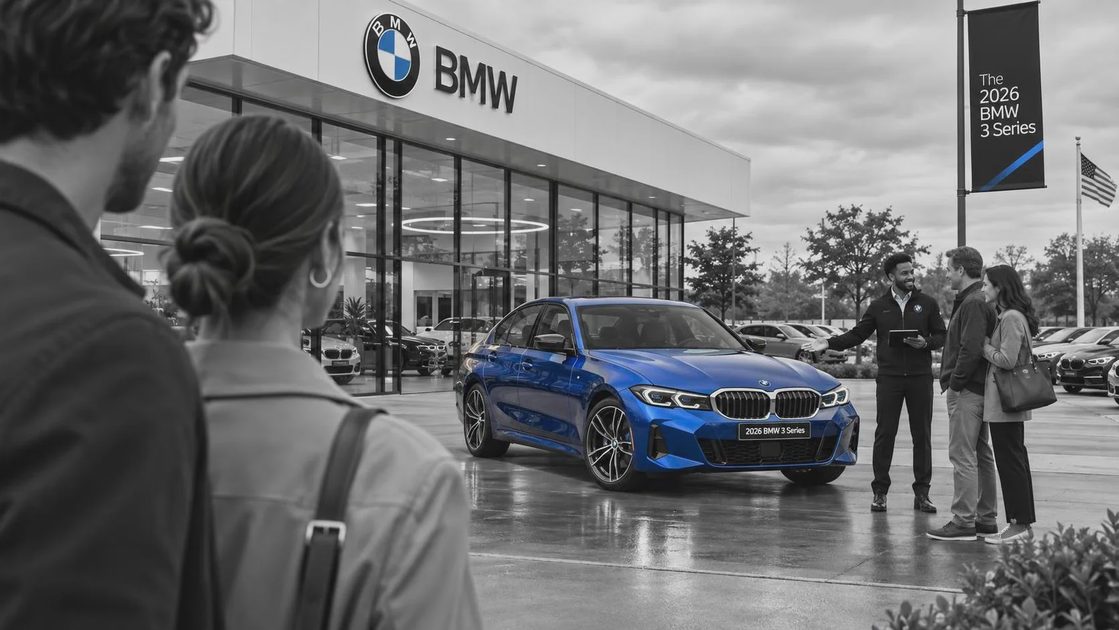
How to conduct a useful test drive
A short loop around the dealership won't tell you enough. Ask for a route that includes rough pavement, a freeway merge, steady highway cruising, and a parking maneuver. Listen for tire and wind noise at the speeds you actually travel, and pay attention to whether the ride settles after a bump or feels busy over a series of them.
On a winding road, look for steering that is easy to place accurately and a body that stays composed without making passengers pay for it on the trip home. Test the brakes progressively in ordinary traffic rather than attempting a dramatic stop. If the car has selectable driving modes, try the one you expect to use most; a setting that feels exciting for five minutes may become tiring on a commute.
Compare cars on similar wheels and tires when possible. Those choices can affect ride, noise, replacement costs, and foul-weather performance. If the demonstrator has equipment that isn't on the car you're considering, ask what differs before drawing conclusions about the driving experience.
Price, safety, and the next model year
Before signing, ask for an itemized out-the-door quote that separates the vehicle price, options, dealer fees, taxes, and registration. If financing, compare the total amount financed and loan terms, not just the monthly payment. For a lease, request the mileage allowance and the charges that apply at signing and at turn-in.
Check the safety ratings and equipment for the exact car. The Insurance Institute for Highway Safety lists a headlight rating of Acceptable for 2026 models equipped with the Shadowline package; that result should not be assumed to apply to every headlight configuration. Driver-assistance features can also vary by equipment, so confirm what's fitted rather than relying on a general model description.
There is another wrinkle: a redesigned 2027 3 Series has been reported, with a substantially different interior and technology layout. If a dealer has both model years, compare them directly. A discount on the older design may be attractive, but weigh it against the equipment and controls you prefer, as well as the possibility of different resale appeal. Neither a newer design nor a lower sticker automatically makes one the better deal.
The Verdict
The 330i is a credible choice for a buyer who wants a compact luxury sedan with strong claimed acceleration and a rear-drive option. The xDrive version is worth its price difference for someone who wants all-wheel drive, not because its quoted sprint is marginally quicker.
The reservations are equally clear: the base price is only the beginning of the purchase calculation, screen-based functions may not suit every driver, and fuel-economy and independent road-test results need checking before a final commitment. I would compare a realistically equipped 330i with the G70 and C-Class, then buy the BMW only if its driving position, controls, and road manners justify the final price.
A numerical score would imply a completed road test, so this assessment leaves it unscored.