From behind the wheel, the important question is whether a compact SUV makes an ordinary commute feel like a chore. The 2026 Mazda CX-50 is built for buyers who care about that answer as much as cargo capacity: it favors a driver-focused cabin and handling appeal over a maximum-space approach. Choose the gas model for a straightforward crossover, consider the hybrid for better fuel efficiency, and look elsewhere if the largest possible cargo hold is the priority. This is a buying assessment, not a road test; it does not include our own instrumented measurements or driving impressions.
The Honda CR-V is the obvious alternative for a buyer putting family space first. The Toyota RAV4 deserves a look from shoppers focused on a hybrid SUV, while Mazda’s own CX-5 is worth comparing if you like the brand but want a different shape and cabin layout. None makes the decision for you; each represents a different balance of space, efficiency, and driving character.
What sets the Mazda apart
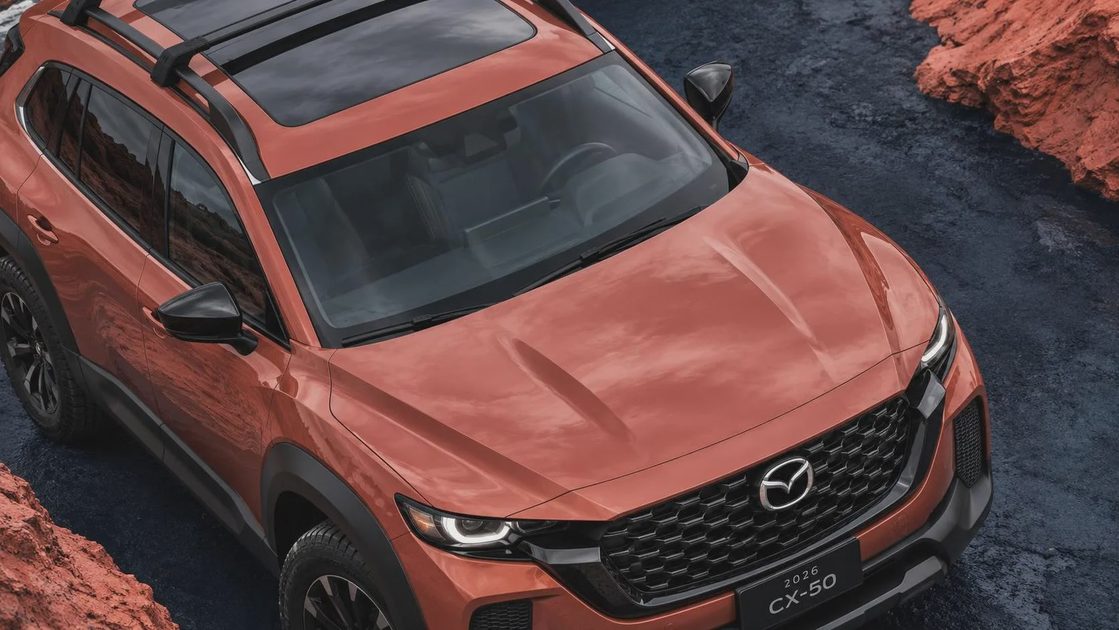
The 2026 Mazda CX-50 takes a relatively low, long approach to the compact SUV formula. That stance gives it a distinct look alongside taller, more upright rivals, but style has a practical consequence: roofline and window shape can affect how open a cabin feels and how easily a driver can see out. Those are showroom questions, not details to settle from photographs.
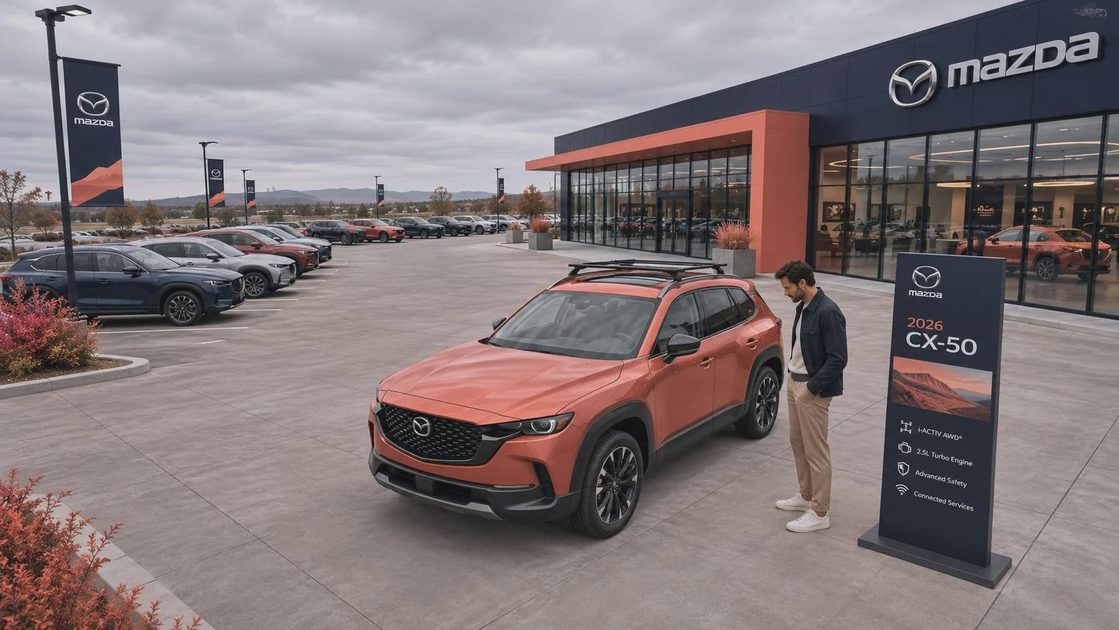
Mazda offers gas and hybrid powertrains, with all-wheel drive on both, though the systems differ. Gas models use Mazda’s i-Activ AWD; the hybrid uses an electronic all-wheel-drive system. The distinction matters less for a routine wet commute than the tires fitted to the vehicle. For regular snow driving, budget for appropriate winter tires rather than assuming all-wheel drive alone solves braking and cornering.
The gas lineup includes 2.5 S and 2.5 Turbo versions. Rather than choosing from a badge alone, drive both if they are on your shopping list. Pay attention to the response when merging and passing, and decide whether the additional performance is worth the extra purchase and operating expense for your use. Check the window sticker for the specific vehicle’s fuel-economy estimates and equipment.
Gas or hybrid?
The 2026 Mazda CX-50 Hybrid is the sensible starting point for a buyer who spends plenty of time in traffic or wants to reduce fuel stops. Mazda says it provides better fuel efficiency and greater driving range than the 2.5 S and 2.5 Turbo gas versions. Its system combines a 2.5-liter four-cylinder engine, electric motors, a hybrid battery, and an electronically controlled continuously variable transmission.
That does not automatically make the hybrid the better financial choice for everyone. Compare actual dealer quotes and the EPA estimates on each vehicle’s sticker, then consider your annual mileage and local fuel prices. A buyer covering modest distances may need a long time to recover a higher purchase price through fuel savings. Insurance quotes and financing terms belong in that calculation, too.
For drivers who tow, the hybrid’s stated maximum is 1,500 pounds. That can cover some light trailers, but trailer weight includes what you load onto it. Confirm the rating and equipment for the exact vehicle, and account for passengers and cargo before making plans. Do not assume the gas version has the same rating or that a dealer-installed hitch changes the vehicle’s limits.
Cabin, cargo, and the daily routine
The 2026 Mazda CX-50 aims for a more considered interior than the average appliance-grade crossover. The relevant question is whether that design works for your hands and your household. Sit in the driver’s seat, adjust the wheel, and try the main controls without leaning forward. Pair your phone and run through a typical navigation or audio change while parked.
Then move to the rear seat. A family should install its actual child seats, check front-seat legroom with them in place, and make sure the doors allow comfortable access. Adults who regularly ride in back should sit there during the test drive. A cabin that feels generous in an empty showroom can feel different with a tall driver up front.
Cargo space is another reason to bring the Honda along for comparison. If the weekly routine involves a stroller, large dog crate, or bulky sports equipment, load the item rather than relying on a published cubic-foot figure. Check the height of the opening, the lift-over height, and the usable floor with the rear seats both up and folded. A sloping roof can make the shape of the space just as important as its volume.
Safety, equipment, and ownership costs
The 2026 Mazda CX-50 and its hybrid counterpart earned a 2026 IIHS Top Safety Pick+ award and a five-star overall safety rating from NHTSA, according to Mazda. Those results are reassuring, but they are not a substitute for checking the safety equipment on the particular trim you intend to buy. Ask the dealer to demonstrate the driver-assistance systems, including how to adjust alerts and turn features on or off.
Mazda lists seven gas trim levels, while a dealer’s lineup guide identifies three hybrid trims. Equipment changes across the range, so compare window stickers rather than assuming a feature comes with a familiar-sounding package. The 2.5 S Premium, for example, adds ventilated front seats according to Mazda dealer information; verify the exact configuration before signing.
There is also a small but useful subscription detail: Mazda says remote engine start is part of Mazda Connected Services, with a one-year trial included on a new vehicle and monthly subscription fees afterward. If remote start matters, ask about the service terms and cost beyond that trial. Add those expenses to an out-the-door quote that includes taxes, registration, dealer fees, and any accessories you actually want.
Should you buy it?
The 2026 Mazda CX-50 makes the strongest case for a driver who wants a compact SUV with a deliberate design and a choice between gas and hybrid power. The hybrid deserves particular attention from commuters; a gas model may make more sense when its purchase price and the buyer’s mileage make the fuel-saving arithmetic less persuasive.
The trade-off is that this is not the automatic choice for someone shopping by cargo capacity or treating the rear seat as the primary cabin. Compare it directly with the CR-V, bring your gear, and take the same route in both. Include rough pavement, highway merging, and a parking maneuver. Those few ordinary tasks will tell you more about the right fit than an SUV’s adventure-themed trim name.
The Verdict
The Mazda’s strengths are its driver-oriented positioning, available hybrid efficiency, all-wheel-drive choices, and strong published safety results. Its compromises are the need to check space and visibility carefully, a potentially higher hybrid purchase cost, and a subscription requirement for remote start after the trial.
I would put it on the shortlist for a buyer who values the driving environment as much as utility. A space-first family should compare the Honda before committing. No numerical score here: without a full road test and measured results, assigning one would imply a level of firsthand evaluation this assessment cannot support.