From behind the wheel, the first thing you notice is not the headline tow rating. It is composure. A good tow vehicle settles over a broken freeway, keeps its transmission from hunting, and inspires confidence when a trailer starts asking real questions of the chassis. That is the lens for these **2026 suv reviews with towing capacity**: not brochure bravado, but which SUVs make sense once you account for payload, wheelbase, braking feel, and day-to-day livability.
If you are shopping this class, the market breaks into three useful groups. Compact and midsize two-row SUVs usually top out between 3,500 and 5,000 pounds, enough for a small boat, pair of personal watercraft, or light camper. Midsize three-row and body-on-frame SUVs often stretch from 5,000 to 8,500 pounds. Full-size truck-based machines can push well beyond that, though they bring real compromises in price, size, and fuel economy. The smart buy is rarely the biggest number. It is the SUV that tows your load with margin and still feels civilized on Tuesday morning.
What towing capacity really tells you
Towing capacity matters, but it is only one line in a much larger story. A 5,000-pound rating sounds robust until you fill the cabin with four adults, luggage, a cooler, and a hitch-mounted bike rack. Payload is what catches many buyers out. If the tongue weight from your trailer is roughly 10% to 15% of the trailer's loaded weight, that load counts against payload right away. A midsize SUV rated to tow 5,000 pounds can still run out of carrying capacity faster than expected.
Engine character matters too. Turbo four-cylinders can post impressive numbers, but under sustained load they often work harder and feel busier than a naturally aspirated V6 or a strong turbo-six. Hybrids bring welcome low-speed torque, though some are better calibrated for commuting than repeated mountain-grade towing. Wheelbase also counts. A longer, heavier SUV generally feels calmer with a trailer in crosswinds and during emergency lane changes. That is why some truck-based SUVs tow with less drama than a quicker crossover with a similar published rating.

Brake pedal confidence, cooling, and transmission tuning deserve equal attention. The best tow rigs do not merely move the weight; they control it. Features like an integrated trailer brake controller, tow mode, trailer sway control, and a 360-degree camera are not fluff. They reduce fatigue and make hitching, backing, and long-distance hauling meaningfully easier.
Best picks for light-duty towing
For buyers pulling under 3,500 pounds, a compact or smaller midsize SUV is often the sweet spot. Think Subaru Outback, Ford Bronco Sport in select trims, Hyundai Santa Fe, Kia Sorento, and certain Toyota RAV4 or Honda CR-V alternatives where available with the right drivetrain. In this part of the market, the winning formula is usually not brute force but balance: decent torque, stable steering, and enough cooling capacity to tolerate summer travel.
The Santa Fe and Sorento remain appealing because they package family practicality with useful tow ratings, often around 3,500 to 4,500 pounds depending on powertrain and equipment. They are not heavy haulers, but for a small camper they make a lot of sense. The Subaru Outback is technically more wagon than SUV, yet many buyers cross-shop it because its low center of gravity helps composure. On paper, it is the crossover choice. In practice, it is often the calmer tool for modest loads.
The caution here is simple: buy margin. If your trailer is 3,200 pounds loaded, do not shop an SUV rated at 3,500 and call it done. Aim higher. You will get less drivetrain strain, less wandering in wind, and a more relaxed ownership experience.
The midsize sweet spot for most buyers
This is where **2026 suv reviews with towing capacity** get interesting, because the midsize field covers the broadest range of real-world needs. Jeep Grand Cherokee, Toyota 4Runner, Ford Explorer, Honda Pilot, Kia Telluride, Hyundai Palisade, Chevrolet Traverse, and Dodge Durango all offer some version of family utility plus useful towing. Typical ratings fall between 5,000 and 7,000 pounds, though the details vary widely by engine, axle ratio, and tow package.
The Honda Pilot remains one of the sanest choices for many families. It is roomy, easy to drive, and with proper equipment can tow around 5,000 pounds. It feels composed rather than exciting, which is praise in this context. The Kia Telluride and Hyundai Palisade offer similarly polished road manners and smart packaging, though they are best viewed as comfortable family haulers with respectable towing rather than dedicated tow specialists.
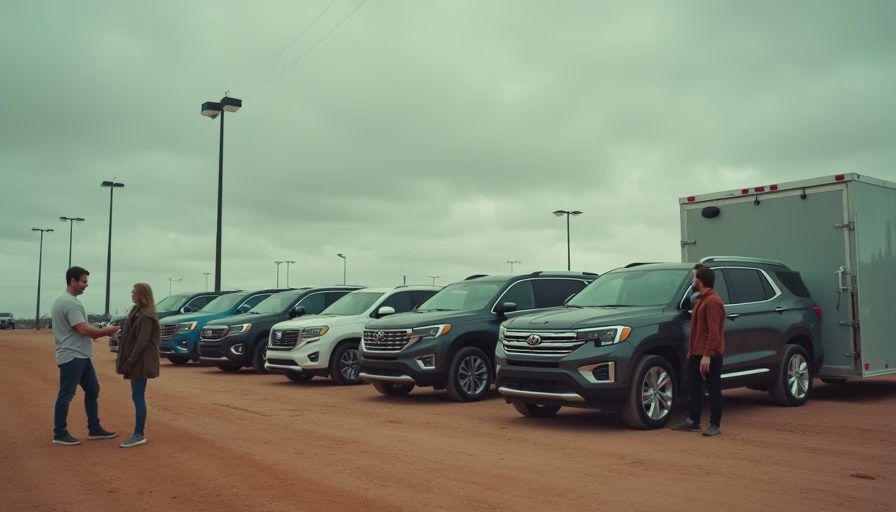
If towing is a monthly event, the Jeep Grand Cherokee and Dodge Durango deserve a close look because they feel more substantial under load. The Explorer, depending on engine, can be surprisingly quick and capable, but some rivals deliver a more natural steering and brake feel. The old-school option is the Toyota 4Runner. It tends to feel slower and less efficient than newer unibody rivals, yet its truck-like character and predictable nature still appeal to buyers who tow, camp, and keep vehicles a long time.
When only a truck-based SUV will do
If your trailer is pushing 6,500 pounds and up, stop pretending a family crossover is the same thing. This is where Chevrolet Tahoe, Suburban, GMC Yukon, Ford Expedition, Jeep Wagoneer, and Toyota Sequoia enter the frame. These full-size SUVs bring longer wheelbases, stronger frames, and drivetrains designed for serious work. They are expensive, no question, but they are also the right answer for large campers, enclosed trailers, and heavy boats.
The Expedition continues to make a strong case with turbocharged torque and excellent space efficiency. The Tahoe and Suburban remain the default American answers because they do almost everything well: room, stability, parts availability, and broad trim choices. The Sequoia is powerful and quick, with hybrid torque that helps at low speed, though some buyers still prefer the packaging flexibility and ride balance of the domestic rivals.
These vehicles also illustrate the central lesson of **2026 suv reviews with towing capacity**: capability is easiest to live with when it exceeds your normal use case. A full-size SUV towing 6,000 pounds feels relaxed. A midsize crossover towing 6,000 pounds often feels like it is on assignment.
Buying advice and the TorqueVerdict box
Before you sign, match the SUV to the trailer you will actually own loaded for travel, not the dry number on a dealer lot sticker. Check tow rating, payload, hitch rating, and whether a factory tow package includes upgraded cooling, wiring, and drive modes. For many shoppers, the best answer is a midsize SUV rated around 5,000 pounds if the trailer stays under 4,000 loaded. For regular towing above that, move into the truck-based category and do not look back.
The Verdict: pros, cons, and whether you should actually buy one.
**Pros**
- Broad 2026 SUV field with options from 3,500 to well over 8,000 pounds
- Midsize SUVs offer the best blend of family comfort and useful towing
- Full-size models deliver the stability serious towing demands
**Cons**
- Published towing numbers can hide payload limits
- Smaller turbo SUVs often feel strained near max rating
- Tow packages and trim combinations can complicate shopping
**Bottom Line**
If you are comparing **2026 suv reviews with towing capacity**, skip the vanity number and buy for stability, payload, and margin. A properly equipped Pilot, Telluride, Grand Cherokee, or 4Runner suits many buyers. If your trailer is genuinely heavy, step up to a Tahoe, Expedition, Yukon, or Sequoia and enjoy the extra confidence.
**Score**
7.8/10 for the category as a whole: stronger and smarter than ever, but still full of spec-sheet traps for the unwary buyer.