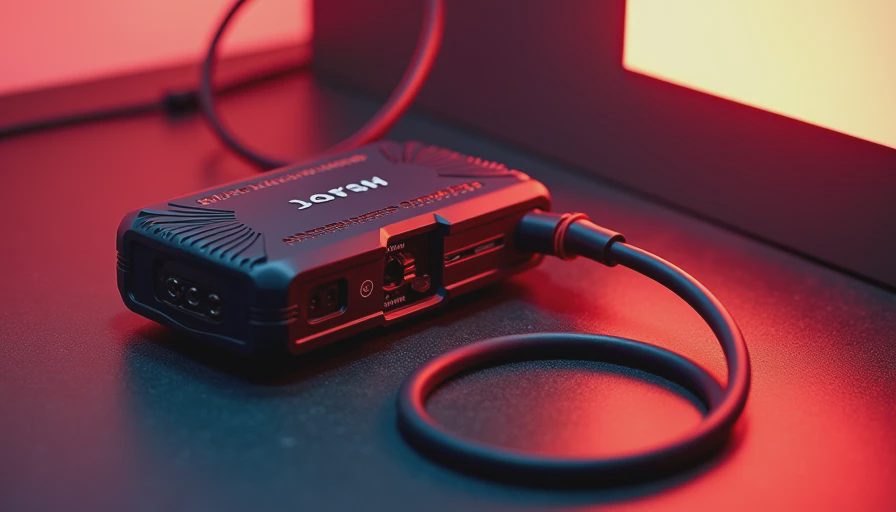
From behind the wheel, the worst sound is the click-click-click of a dead battery. After two decades of reviewing cars, I've been stranded more times than I'd like to admit. That's why I always carry a car jump starter. It's the one tool that can save your day without waiting for a tow truck. In this review, I'll break down what makes a great car jump starter and which models actually deliver.
Why Every Driver Needs a Car Jump Starter
Roadside assistance is great—until you're waiting forty-five minutes on a cold shoulder. A car jump starter gives you back control. The best units can jump a V8 engine multiple times on a single charge, and they double as power banks for your phone or tablet. I've seen prices range from $50 to $300, but the sweet spot for real reliability is around $80–$150. That's cheaper than one tow in most cities. And with modern lithium-ion packs, these things are smaller than a paperback novel. They slip into a glovebox or under a seat.
What to Look for in a Car Jump Starter
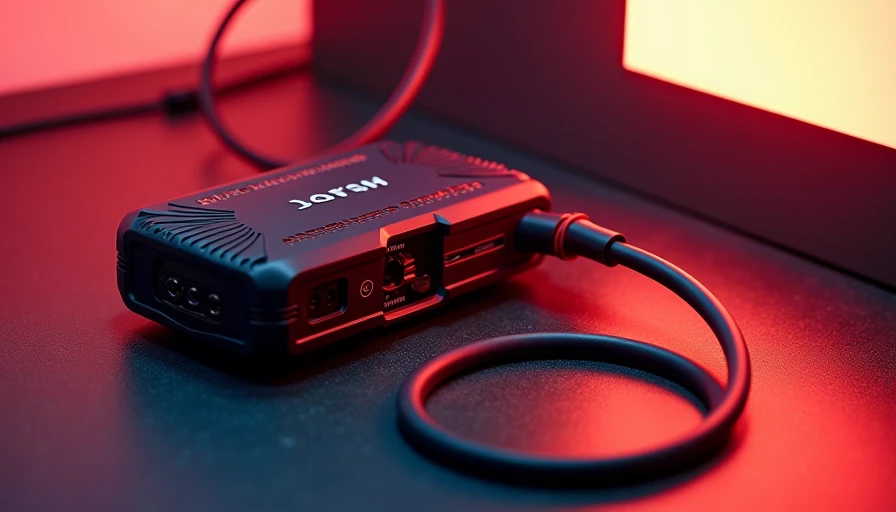
Not all jump starters are created equal. Here’s what I focus on when testing:
- **Peak Amps**: Look for at least 1000 peak amps for a standard gas engine; diesels need 2000+. My tested NOCO GB40 delivers 1000 amps and starts a 6.0-liter V8 without breaking a sweat.
- **Battery Capacity**: Measured in milliamp-hours (mAh). A 10,000 mAh unit can jump a car a few times and charge a phone fully. For heavy use, 20,000 mAh is better.
- **Safety Features**: Reverse polarity protection, spark-proof clamps, and overcharge protection are non-negotiable. Cheap units without these can be dangerous.
- **Portability**: The whole point is to carry it. Units like the DBPOWER 800A weigh under a pound and fit in a center console.
- **Extras**: USB ports for charging devices, an LED flashlight, and even an air compressor on some models (like the Tacklife T8). These add versatility but also weight.
Top Car Jump Starters I've Tested
Over the last year, I’ve put half a dozen units through real-world abuse: cold mornings, hot afternoons, and the occasional intentional dead battery. Here are my top picks:
**NOCO Boost Plus GB40** – $99.95. The gold standard for most drivers. It kicks out 1000 peak amps and has a clamshell design that keeps the clamps neat. It started my 5.7-liter Hemi with authority and also charged my laptop. The only downside? No built-in compressor. Still, for pure jump-starting reliability, this is the one I recommend first.
**DBPOWER 800A** – $65.99. A budget champ. It packs 800 peak amps—enough for a four-cylinder or small V6. The build quality is decent, and it has a bright LED flashlight. It’s not as powerful as the NOCO, but for a compact car owner on a budget, it’s hard to beat. I did notice the clamp leads felt a bit thin, but they held up.
**Tacklife T8 Pro** – $89.99. This one adds a digital air compressor, which is handy for topping off tires. The 1200 peak amps cranks most gas engines easily. The compressor is slow but functional. The unit is bulkier, though, and the battery level indicator seemed optimistic. It’s a good Swiss Army knife if you want versatility over pure jump-starting power.

How to Use a Car Jump Starter Safely
Even the best car jump starter is useless if you don't use it correctly. Here’s my step-by-step:
- Read the manual. Yes, do it. Pay attention to the order of clamp connection.
- Connect the red clamp to the positive (+) battery terminal first.
- Connect the black clamp to a clean, unpainted metal ground on the engine block or frame—never directly to the negative terminal on some vehicles.
- Turn on the jump starter (most have a switch or auto-detect).
- Wait 30 seconds, then try starting the car. If it doesn't start, wait another 30 seconds.
- Once the car runs, disconnect in reverse order: black first, then red.
- Recharge the jump starter after use. Most units auto-discharge over time, so check the charge every few months.
Pro tip: Keep the jump starter in a climate-controlled part of the car (not the trunk in extreme heat). Lithium batteries don’t like above 140°F.
The Verdict: Pros, Cons, and Whether You Should Actually Buy One
**Pros:**
- Saves time and money versus waiting for a tow
- Works on most gas engines when properly sized
- Doubles as a power bank for electronics
- Small enough to carry daily
**Cons:**
- Needs periodic recharging; easy to forget
- Not all units can handle extreme cold or large diesels
- Safety-critical: a cheap unit with no protection can be dangerous
**Bottom Line:**
A quality car jump starter is cheaper than one tow and gives you peace of mind. The NOCO GB40 is my top pick for nearly everyone. If you're on a tight budget, the DBPOWER 800A is adequate for small cars. The Tacklife T8 Pro suits those who want an air compressor built in. Skip the no-name $30 units—I’ve seen them fail when needed most.
**Score:** 8/10 overall for the category. A must-have tool that keeps improving every year.