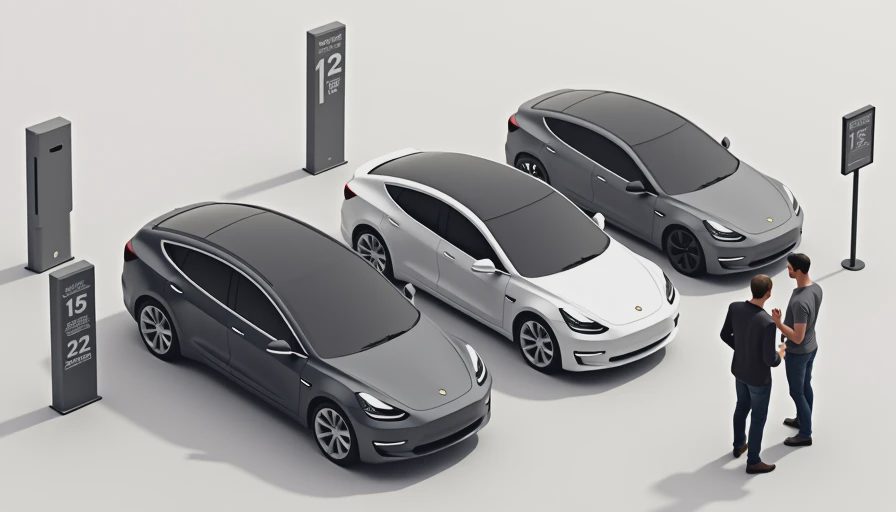
From behind the wheel, the first thing you notice is how differently modern EVs deliver their speed. Some feel polished and expensive at 35 mph, some only impress when you mat the accelerator, and a few still ride like unfinished software projects. That is the point of an honest **electric car comparison 2026**: not just to stack range figures, but to decide which electric car actually suits your life, budget, commute, and insurance bill.
For 2026, the field is stronger and more crowded than it was even two years ago. Tesla remains the benchmark for charging access and software integration. Hyundai and Kia continue to build some of the most complete mainstream EVs on sale. Ford still sells on familiarity and dealer reach. Chevrolet has become newly relevant again with affordable Ultium-based models. Luxury buyers, meanwhile, can choose between polished German options and a few brilliant but flawed outsiders. The trick is knowing what matters most before you sign.
Range Is Important, but Real-World Efficiency Matters More
Every EV shopper starts with range, and that is understandable. Nobody wants a car that turns a weekend drive into a planning exercise. But in any serious **electric car comparison 2026**, EPA range should be your starting point, not your verdict. A 300-mile EV that charges quickly and uses energy efficiently at highway speeds can be easier to live with than a 340-mile EV that slows to a crawl at a public charger.
That is why cars like the Tesla Model 3, Hyundai Ioniq 5, Kia EV6, and Chevrolet Equinox EV deserve attention. They generally balance usable range with decent charging performance and sensible packaging. A Lucid Air can deliver astonishing distance, but most shoppers do not need that much capability and may not want the price tag that comes with it. On the other side, some bargain EVs look compelling on paper but lose their shine if winter weather, bigger wheels, or sustained 75-mph cruising cuts range harder than expected.
A good target for most U.S. drivers is roughly 250 to 320 miles of rated range. Below that, road trips require more planning. Above that, you are often paying for battery capacity you may rarely use.
Charging Speed and Network Access Can Make or Break Ownership
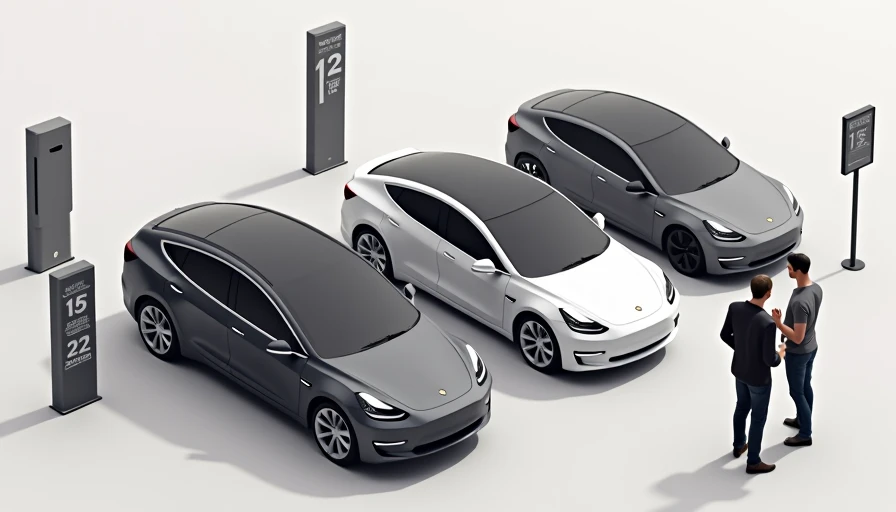
If range is the headline number, charging is the ownership story. This is where the best and worst EVs separate themselves quickly. In a practical **electric car comparison 2026**, I would rank charging confidence just behind reliability and ahead of gimmicks.
Tesla still holds the cleanest all-around advantage because its Supercharger network remains the easiest long-distance solution in the U.S. Even as more brands gain access to portions of that network and adopt NACS hardware, Tesla owners still tend to face fewer surprises. That matters more than flashy touchscreen tricks ever will.
Hyundai, Kia, and Genesis deserve praise for fast DC charging on 800-volt architectures. In the right conditions, an Ioniq 5 or EV6 can recover a useful amount of range very quickly. The catch is that charging performance depends on station health, battery temperature, and route planning. Ford's Mustang Mach-E is a likable and mature EV, but charging speed and trip efficiency are not always class-leading. Chevrolet's newer EVs are improving the value side of the equation, though road-trip convenience still depends heavily on infrastructure in your area.
My advice is simple: if you road-trip often, buy the best charging ecosystem you can afford. If you mostly charge at home, then public charging drama matters less.
Interior Quality, Ride Comfort, and Daily Use Still Count
Too many EV comparisons read like engineering spreadsheets. That misses the part you experience every day. Seats matter. Visibility matters. Ride quality matters. Cabin controls matter. A cheap-feeling interior can wear out its welcome long before a battery does.
The Hyundai Ioniq 5 remains one of the smartest mainstream EVs because it combines easy ingress, good outward visibility, family-friendly space, and a ride that feels settled rather than twitchy. The Kia EV6 is sharper to drive, though a bit tighter inside. Tesla's Model Y remains hugely practical, but its minimalist interior and control strategy still divide opinion. Some drivers love the clean design; others simply want a turn-signal stalk, a proper gauge cluster, and fewer tasks buried in a screen.
Luxury buyers should look closely at BMW, Mercedes-Benz, and Audi EVs if refinement is the priority. They often feel more complete in the basics: seat comfort, noise isolation, and control weighting. The tradeoff is price, and sometimes less efficiency than the best Korean rivals.
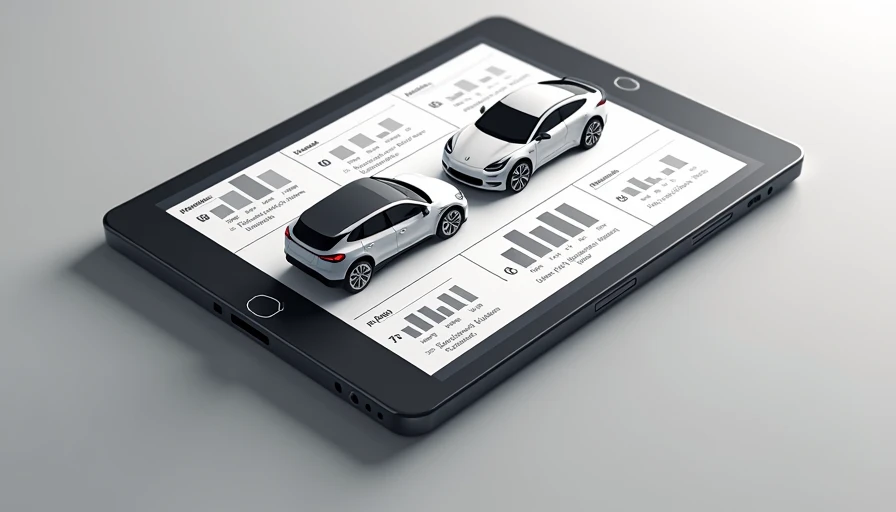
In short, do not let acceleration alone choose your car. Even now, a quick EV with awkward ergonomics can feel old faster than a slower one with good bones.
Price, Tax Credits, and Insurance Costs Change the Real Value
Sticker price is only half the financial picture. A proper **electric car comparison 2026** has to include incentives, charging setup, depreciation risk, and insurance. In many cases, insurance on an EV can run higher than on a comparable gas crossover, largely because repair costs, battery-related parts pricing, and sensor-heavy bodywork can push claim costs up.
That does not mean an EV is automatically expensive to insure. It means you should quote before you buy. A Tesla Model Y, Ford Mustang Mach-E, Hyundai Ioniq 5, and Chevy Blazer EV can produce surprisingly different premiums even for the same driver. Bundling auto with home or renters insurance, raising a deductible if you can comfortably cover it, and asking about low-mileage or telematics discounts can trim meaningful dollars off the annual bill.
On the purchase side, Chevrolet often plays the value card well, while Tesla's pricing can shift quickly. Hyundai and Kia usually land in the sweet spot between equipment and cost. If you lease, monthly payments can make a pricier EV look more attractive, especially when incentives are strong. Just do not confuse a subsidized lease deal with long-term ownership value.
Which 2026 EV Fits Which Buyer?
Here is the plain-spoken version. If you want the easiest all-around ownership experience and frequent road trips, the Tesla Model Y and Model 3 remain hard to ignore. They are not perfect cars, and build consistency has drawn criticism, but the charging advantage is real.
If you want the best blend of style, comfort, charging speed, and mainstream usability, the Hyundai Ioniq 5 and Kia EV6 are still among the smartest picks in this **electric car comparison 2026**. They feel thoughtfully engineered rather than merely marketed.
If value matters most, watch Chevrolet closely. The Equinox EV in particular has the potential to put many households into a usable EV without luxury-car money. If you want familiar brand comfort and broad dealer support, the Ford Mustang Mach-E remains a credible, enjoyable choice, even if it is no longer the freshest thing in the class.
For luxury buyers, shop with discipline. Some expensive EVs are excellent cars but mediocre values. On paper, it is the prestige badge. In practice, it is often the better-rounded mainstream EV that wins.
Verdict
**The Verdict: pros, cons, and whether you should actually buy one.**
**Pros**
- More strong EV choices than ever in 2026
- Better mainstream range and faster charging
- Real standouts from Tesla, Hyundai, Kia, Ford, and Chevrolet
- Home charging can make daily ownership remarkably easy
**Cons**
- Public charging quality still varies by location
- Insurance costs can be higher than expected
- Some EVs impress on paper more than on the road
- Tech-heavy interiors are not always easy to live with
**Bottom Line**
The best result in any **electric car comparison 2026** is not the fastest EV or the one with the biggest battery. It is the car that matches your driving habits, charging access, comfort standards, and monthly costs. For most buyers, that means skipping extremes and choosing a well-rounded crossover or sedan from the established leaders. Get insurance quotes, compare charging access, and drive at least two rivals back to back before you commit.
**Score**
Category average: **7.8/10**