From behind the wheel, the first thing you notice is not the supercharged V-8's volume but its authority. The Cadillac CTS V gathers speed with the casual violence of a car that knows it has more engine than road. I have driven every generation over the years, and the Cadillac CTS V remains one of America's most convincing answers to the German sport sedan.
That answer is not flawless. The cabin materials in earlier cars trail BMW and Audi, the ride can become severe on broken pavement, and fuel consumption is never a polite subject. Yet the Cadillac CTS V offers something many newer performance cars have edited out: a genuine mechanical personality. It feels designed by people who wanted to build a fast sedan first and explain the decision later.
Three generations, three different personalities
The first-generation car, sold from 2004 through 2007, used a naturally aspirated 5.7-liter LS6 V-8 and a six-speed manual transmission. It was raw, compact, and surprisingly serious. The second-generation Cadillac CTS V arrived for 2009 with a supercharged 6.2-liter LSA V-8 making 556 horsepower. Buyers could choose a sedan, wagon, or coupe, all with a manual option. That wagon is now a cult object, and clean examples command serious money.
The third generation, introduced for 2016, sharpened the formula with a 640-horsepower supercharged 6.2-liter V-8, an eight-speed automatic, and a more polished chassis. It was the quickest and most complete Cadillac CTS V, but it also felt less rebellious. The first two generations had rough edges; the last one had the confidence of a finished product.
For a used buyer, the second-generation car offers the most character per dollar, while the third-generation model delivers the best combination of speed, technology, and daily usability. The choice depends on whether you want an event every time you start the engine or a very fast sedan that can handle commuting without drama.
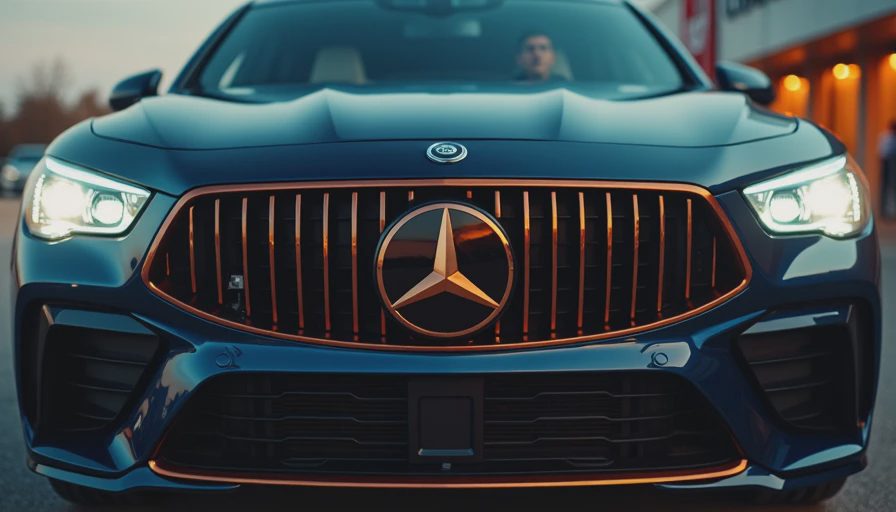
Performance that makes numbers feel secondary
Period instrumented testing put the third-generation Cadillac CTS V at roughly 3.6 seconds from zero to 60 mph, with a quarter-mile time in the high 11-second range. Those are exotic-car figures, but the more impressive quality is how repeatable the acceleration feels. The automatic transmission fires off clean shifts, and the supercharger delivers immediate thrust without waiting for a turbocharger to build pressure.
The magnetic ride control suspension deserves equal credit. In its softer modes, the car can cover freeway miles with reasonable composure. Select a sportier setting and body control tightens quickly. Brembo brakes provide the stopping power this much mass requires; contemporary tests generally recorded stops from 70 mph in the low-150-foot range. That is serious hardware, although tire condition and brake temperature matter greatly on a used example.
Steering feel is not as talkative as the best BMW M cars, and the Cadillac CTS V is wide enough to make a narrow canyon road feel narrower still. On a track, its weight eventually announces itself through tire wear and heat. On the street, however, the balance is excellent. It can cruise quietly, then become ferocious with one firm squeeze of the throttle.
Living with the Cadillac CTS V
Practicality depends heavily on the body style. The sedan has useful rear-seat room for adults and a trunk that works for ordinary luggage. The wagon adds cargo flexibility but carries a premium because enthusiasts know how rare it is. The coupe looks fantastic, though its rear access and visibility are compromises rather than clever packaging.
Inside, the third-generation cabin is the clear winner. Its seats are supportive, the driving position is natural, and the available performance data recorder can turn a track session into a useful learning tool. Earlier interiors have attractive shapes but more hard plastic and dated infotainment. Inspect every switch, screen, and trim panel before buying; replacement electronics and interior pieces are not bargain-bin parts.
Fuel economy is the unavoidable tax. A careful owner might see 17 to 20 mpg on a mixed highway-heavy drive, while spirited use can push consumption into the low teens. Premium fuel is the sensible choice for the supercharged engines. A pre-purchase inspection should include cooling hoses, belts, suspension bushings, magnetic dampers, brake condition, and signs of accident repair.
Ownership costs and auto insurance considerations
The purchase price is only the opening calculation. A second-generation Cadillac CTS V can range from roughly $25,000 to more than $60,000 depending on mileage, condition, body style, and modifications. Third-generation cars commonly sit higher, often around $45,000 to $75,000 in the current enthusiast market. A low-mile wagon or exceptionally clean manual car can exceed those broad ranges.
Insurance companies generally view the Cadillac CTS V as a high-performance vehicle, not an ordinary CTS. That can mean higher premiums, especially for a younger driver, a poor driving record, or a ZIP code with expensive claims. Comprehensive coverage protects against theft, weather, and non-collision damage, while collision coverage applies to damage from an accident. Ask for quotes using the exact year, trim, mileage, and garaging address before signing a purchase agreement.
A $1,000 collision deductible can reduce the monthly bill, but it also leaves you responsible for more after a crash. Compare quotes from several insurers, and ask whether the carrier has restrictions on track use or modified vehicles. A clean driving history, bundled policies, secure parking, and realistic annual mileage can make a meaningful difference. Do not insure a collectible wagon as though it were a basic commuter and assume the policy will cover every upgrade.
Maintenance is manageable when the car is stock and properly serviced. The danger is the modified example with a pulley, tune, lowering springs, and incomplete records. Those changes can produce thrilling power, but they also complicate reliability and claims. The best Cadillac CTS V is usually the one with documented oil changes, original calibration, healthy tires, and an owner who resisted unnecessary internet engineering.
The Verdict: pros, cons, and whether you should actually buy one
The strengths are unmistakable. The Cadillac CTS V delivers supercar acceleration, a useful sedan body, strong brakes, and the emotional reward of a large American V-8. The second-generation wagon is one of the great practical performance cars, while the third-generation sedan is fast enough to embarrass newer machinery and comfortable enough for a long trip.
The compromises are just as real. Fuel bills will be substantial, rear visibility is not ideal, older cabins feel behind the times, and suspension or brake repairs can become expensive. Ride quality is firm, tire replacement is costly, and a neglected modified car can erase the value of a seemingly attractive discount.
For a buyer seeking maximum character, I would choose a carefully inspected second-generation sedan with the manual transmission if one appears at a sensible price. For daily use and outright capability, the third-generation Cadillac CTS V is the superior tool. Budget for premium fuel, performance-car insurance, and a maintenance reserve of at least several thousand dollars.
Score: 8 out of 10. The Cadillac CTS V is not the most refined sports sedan, nor the cheapest to keep. It is something more memorable: a fast, honest, overpowered American machine with enough practicality to earn a place in the driveway. Pros. Cons. Bottom line. Buy the cleanest, least-modified example you can find, and enjoy the noise while it is still legal to make it.