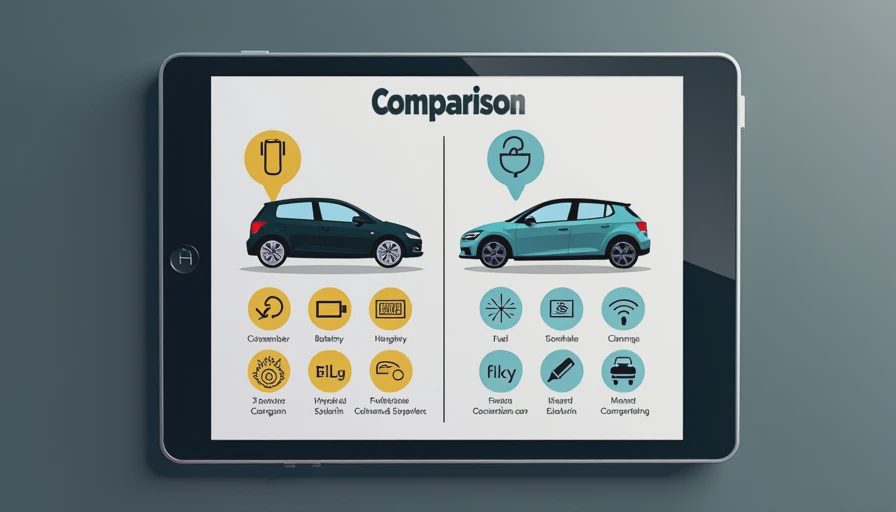
From behind the wheel, the first thing you notice is how both hybrids and EVs make ordinary commuting feel calmer. A good hybrid glides away from a light with quiet competence; a good EV does the same with a cleaner, stronger shove. That is the heart of any **hybrid vs electric car comparison**: both promise lower fuel costs and less day-to-day fuss than a traditional gas car, but they deliver those benefits in very different ways. If you are shopping in the real world, where insurance bills, home charging, winter range, and monthly payments matter more than brochure claims, the choice is less ideological than practical.
How They Differ in Daily Driving
A hybrid uses both a gasoline engine and an electric motor. In a conventional hybrid like the Toyota Prius or Honda Accord Hybrid, the battery recharges through regenerative braking and the gas engine, so you never plug it in. An electric car, by contrast, runs entirely on battery power and must be charged from a home outlet, a Level 2 charger, or public fast charging.
On the road, the hybrid feels familiar. You fill up at a gas station, get excellent fuel economy, and keep moving on long trips without planning around chargers. Many hybrids return roughly 40 to 55 mpg in mixed driving, which is still impressive by any sane standard. EVs flip the script. They are smoother, quicker off the line, and often quieter at city speeds. A Tesla Model 3, Hyundai Ioniq 5, or Ford Mustang Mach-E feels more immediate than most hybrids, even if absolute performance is not your priority.
The trade-off is rhythm. A hybrid asks almost nothing new of the driver. An EV asks you to think ahead a bit, especially if you cannot charge at home.
Costs: Purchase Price, Fuel, and Insurance
The sticker price still matters, and this is where many buyers make up their minds. In a straight **hybrid vs electric car comparison**, hybrids often win on entry price. A Toyota Corolla Hybrid or Hyundai Elantra Hybrid is usually easier on the monthly payment than a comparably sized EV. That matters if your budget is tight and you want savings now, not three years from now.
Operating costs usually favor the EV. Charging at home can cost far less per mile than buying gasoline, particularly if local electricity rates are reasonable and your utility offers off-peak pricing. A driver covering 12,000 miles a year can often save hundreds, sometimes more, compared with a similar gas car. Hybrids still save money at the pump, but not to the same degree.
Insurance is the wrinkle people forget. EVs can cost more to insure because repair costs, battery-related components, and parts pricing can push claims higher. Hybrids are not always cheap either, but they tend to be closer to mainstream gas-car insurance rates.
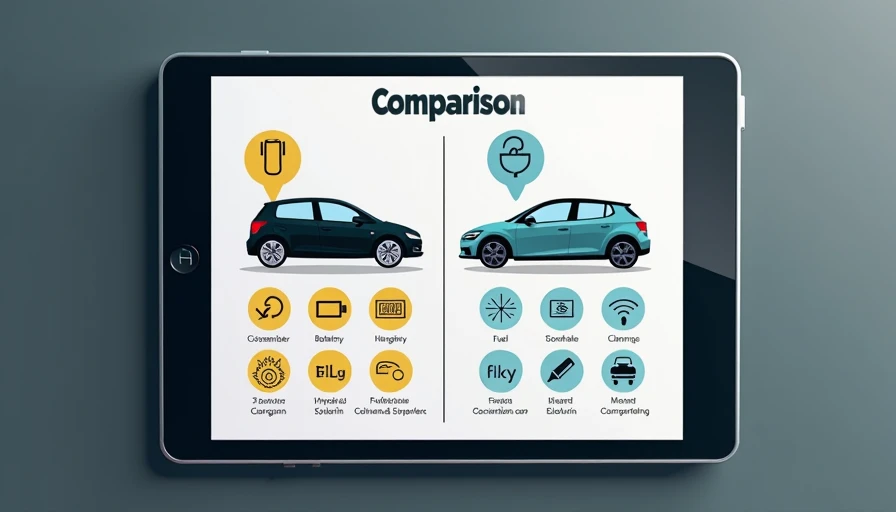
Depreciation is the other moving target. Some EVs have seen sharp resale swings, while strong-demand hybrids have often held value well. Before signing, compare financing offers, insurance quotes, and expected resale, not just MSRP.
Range, Charging, and Road-Trip Reality
This is where the cleanest theory meets the messiest reality. A hybrid wins the convenience argument. Most can travel 500 miles or more on a tank, and refueling takes five minutes. If you do regular interstate miles, live in an apartment, or park on the street, that convenience is not a trivial advantage. It is the whole ballgame.
An EV can work beautifully if you have reliable home charging. Plug in overnight, wake up full, and daily commuting becomes almost absurdly easy. For a 30- to 50-mile round trip, an EV is often the better tool. You skip gas stations, enjoy instant torque, and treat energy like another household utility bill.
But road trips require planning. Public charging is improving, and fast-charging networks are better than they were even a few years ago, yet charger speed, availability, and reliability still vary by route and region. Cold weather can also reduce range noticeably. If a vehicle is rated around 250 to 320 miles, expect less at highway speed, in winter, or with climate control working hard.
The honest conclusion in any **hybrid vs electric car comparison** is simple: if you can charge at home, EV ownership gets easier fast. If you cannot, a hybrid is usually the safer bet.
Maintenance, Reliability, and Ownership Stress
Hybrids have more mechanical complexity on paper because they combine an engine, electric motor, and battery pack. Yet many have proven exceptionally durable. Toyota's hybrid systems, for example, have built a strong reputation over years of hard taxi and commuter use. Routine service still includes oil changes, filters, and engine-related maintenance, but brake wear is often reduced thanks to regenerative braking.
EVs eliminate many traditional service items. No oil changes, no spark plugs, no exhaust system, and fewer moving parts overall. That simplicity is appealing. Tires can wear faster, though, because EVs are heavier and deliver torque instantly. And when body or battery-related repairs are needed, they can be expensive and sometimes slower due to parts and certified repair constraints.
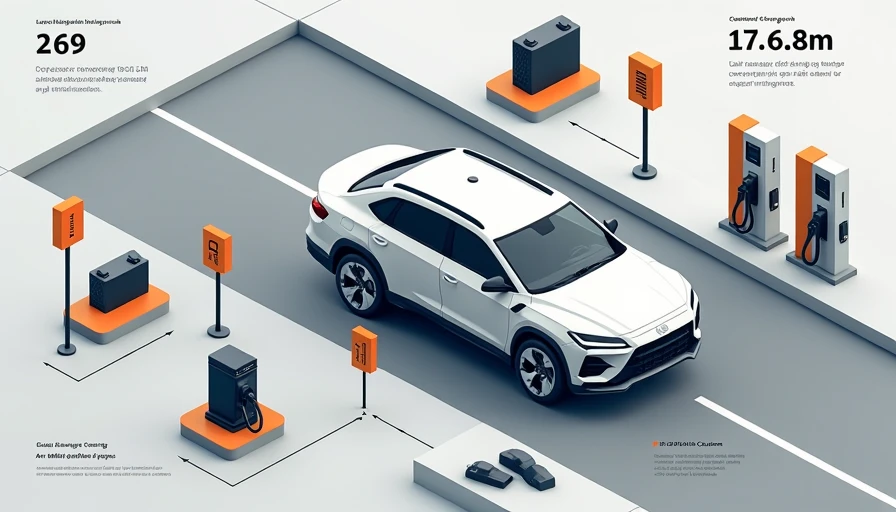
Battery longevity is the anxiety point people raise most often. In practice, modern hybrid and EV batteries are generally built to last years under normal use, and manufacturer battery warranties add useful peace of mind. I would worry less about battery doom and more about whether the vehicle fits your charging setup and driving pattern.
Which Driver Should Buy Which?
If you want the easiest transition from gasoline, buy a hybrid. It suits drivers who take frequent long trips, renters without dependable charging, and families who want lower fuel bills without changing habits. The best hybrids are not exciting in a headline-friendly way, but they are deeply rational machines.
If you have a garage or driveway and a predictable commute, an EV makes a compelling case. The refinement is real. The low-speed smoothness is real. The fuel savings can be real too. And for drivers who spend most of their time in suburban or urban traffic, an EV often feels like the more modern, better-resolved product.
My advice is to ignore ideology and measure inconvenience honestly. If charging will be effortless, an EV is often the more satisfying car. If charging will become a weekly logistics exercise, the hybrid will age better in your life.
Verdict Box
**The Verdict: pros, cons, and whether you should actually buy one.**
**Hybrid Pros**
- Lower entry price in many segments
- Excellent fuel economy without plugging in
- Easy road-trip usability
- Insurance and repair costs often more predictable
**Hybrid Cons**
- Less dramatic fuel savings than an EV
- Still needs gas and regular engine maintenance
- Usually less quick and less refined than a strong EV
**Electric Car Pros**
- Lowest energy cost per mile in many areas
- Quick, smooth, quiet performance
- Minimal routine maintenance
- Ideal for home charging and daily commuting
**Electric Car Cons**
- Higher upfront prices in many cases
- Public charging can be inconsistent
- Range drops in cold weather and at highway speed
- Insurance and repairs can run higher
**Bottom Line**
In a serious **hybrid vs electric car comparison**, the hybrid is the conservative recommendation and the EV is the rewarding one if your setup supports it. Buy the hybrid if you want efficiency with no lifestyle adjustment. Buy the EV if you can charge at home and want the smoother, more modern driving experience.
**Score**
- Hybrid for broadest usability: 8/10
- EV for the right owner: 8/10