From behind the wheel, the first thing you notice is how little drama the Kia Carnival automatic creates. The 8-speed transmission slips into gear cleanly, the V6 gathers speed without fuss, and the large cabin moves through traffic with the calm efficiency of a good airport shuttle. That is praise, not faint condemnation. Families do not need theater at every stoplight; they need a vehicle that works at 7:15 on a wet Monday morning.
The current U.S.-market Kia Carnival automatic pairs a 3.5-liter V6 with front-wheel drive and an eight-speed automatic transmission. It produces 287 horsepower and 262 pound-feet of torque, figures that give this nearly 5,000-pound people mover respectable pace. It is not a sports car, but it never feels dangerously slow when joining a freeway or passing a delivery truck.
How the Kia Carnival Automatic Performs
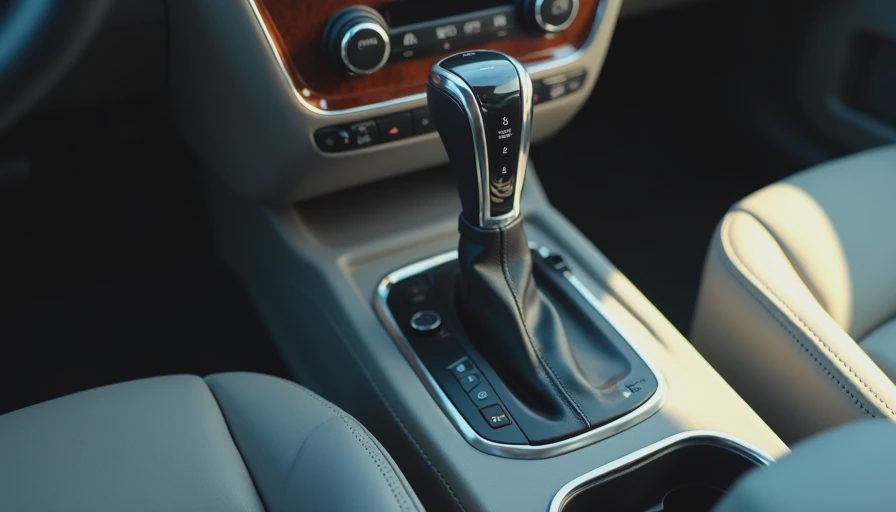
The transmission is the star of the mechanical package. Around town, the Kia Carnival automatic selects gears early and avoids the constant hunting that can make some large crossovers feel nervous. Light throttle produces smooth upshifts, while a firmer squeeze brings a prompt downshift. There is a manual mode, though steering-wheel paddles would make it more useful on a winding downhill road.
Acceleration is strong enough for real American driving. Independent instrumented testing of V6 minivans in this class commonly places 0-to-60-mph times in the mid-seven-second range, and the Carnival feels consistent with that group. The more important number is its passing response from 50 to 70 mph, where the V6 and transmission work together without a long pause. Braking is similarly predictable, with a firm pedal and straight tracking under hard stops.
Fuel economy is the unavoidable cost of the formula. EPA ratings for the V6 model are approximately 19 mpg city, 26 highway, and 22 combined, depending on configuration. A careful driver can see the mid-20s on a long highway trip, but short urban errands will pull the average down. The Kia Carnival automatic is efficient enough for its size, not efficient in the absolute sense.
Ride quality is generally composed. The Carnival absorbs expansion joints and patched pavement better than many three-row SUVs, although sharp potholes can produce a noticeable thump from the rear. Steering is light and accurate, with little road feel but enough precision to place the vehicle confidently in a narrow lane. It is a van that encourages a relaxed pace rather than one that begs for a back-road detour.
Cabin Comfort and Practicality
The Carnival's strongest argument is its interior. The first two rows offer generous legroom, and the available second-row lounge-style seats provide a convincing business-class impression when the family is not carrying maximum cargo. Depending on trim, those seats can include power adjustments and leg rests. They are comfortable, though buyers should confirm the exact seating configuration because second-row flexibility varies by version.
The third row is genuinely usable for children and adequate for average-size adults on shorter trips. Access is easier than in many three-row crossovers because the sliding side doors create a wide opening. Cargo space is also excellent with the third row folded. The Kia Carnival automatic makes a stronger case for itself when you load a stroller, sports equipment, groceries, and two carry-on bags without playing cargo Tetris.
Materials are attractive without pretending this is a luxury vehicle. Higher trims bring leather seating, larger displays, premium audio, and additional convenience features. Lower trims still provide the equipment most families actually use, including smartphone connectivity, multiple USB ports, and a useful rear-seat camera system on some configurations. Kia's interface is generally straightforward, though menus can become busy when every safety function is active.
Visibility is good for a vehicle this large. The upright seating position helps, and available surround-view cameras are worthwhile in crowded parking structures. Automatic emergency braking, lane-keeping assistance, blind-spot monitoring, and adaptive cruise control add meaningful assistance on long journeys. They do not replace attention, and some alerts can feel overenthusiastic on narrow urban streets.
Pricing, Trims, and Ownership Logic
The Kia Carnival automatic occupies an interesting middle ground. It generally costs more than a basic Honda Odyssey or Chrysler Pacifica but can undercut heavily equipped versions of those rivals. Depending on model year, trim, destination fees, dealer pricing, and incentives, shoppers should expect a new vehicle in roughly the mid-$30,000s at the entry point and more than $50,000 for a loaded model.
The sensible target is usually the middle trim. It tends to provide the comfort equipment and safety technology that make a minivan worthwhile without charging luxury-car money for decorative upgrades. The top trim is appealing if rear-seat comfort, premium materials, and family entertainment features matter more than strict value.
Insurance, tires, fuel, and depreciation deserve attention alongside the monthly payment. A minivan may be practical, but its broad body requires four substantial tires, and V6 fuel use can become expensive for a 15,000-mile-per-year household. Obtain insurance quotes before signing, especially if comparing a new Carnival with a lightly used SUV. Financing rates and regional incentives can change the value equation quickly.
How It Compares With Rivals
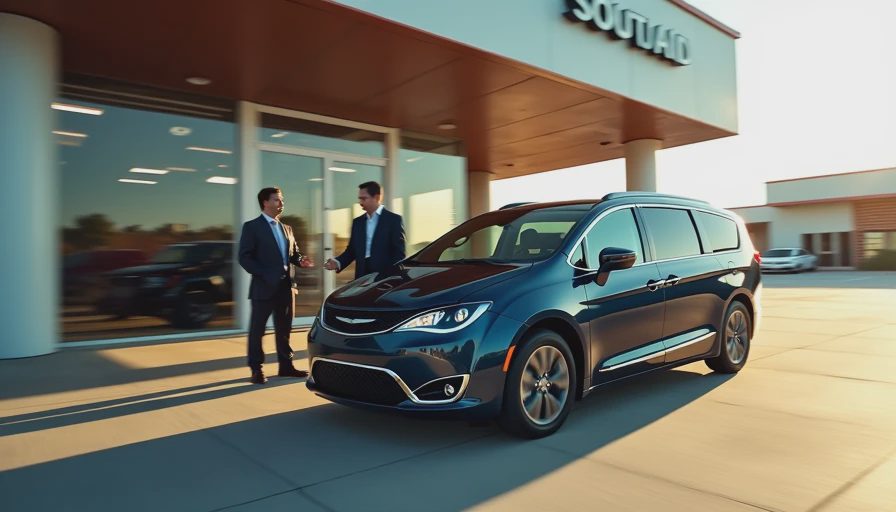
The Honda Odyssey remains the handling benchmark in this class, with a polished ride and a long record of family-friendly packaging. The Toyota Sienna counters with standard all-wheel drive availability and a hybrid powertrain that can deliver notably better fuel economy, although its acceleration and seating compromises will not suit everyone. The Chrysler Pacifica offers a clever Stow 'n Go system and a plug-in hybrid option in some model years, while its long-term reliability story deserves careful research.
On paper, the Kia Carnival automatic is the value-oriented alternative. In practice, it is the style-conscious alternative that happens to be good value. Its SUV-inspired nose and rear treatment help it avoid the traditional minivan image, but the sliding doors and low floor reveal the more important truth: this is a van engineered around passengers, not a crossover wearing a third-row costume.
The Kia's main weakness is drivetrain choice. Front-wheel drive is fine in dry climates and ordinary winter conditions, but buyers in heavy snow country may prefer the Toyota Sienna's all-wheel-drive availability. There is also no getting around the V6's fuel consumption. If your annual mileage is high and gasoline costs matter more than quick acceleration, the hybrid Toyota deserves a serious comparison.
What to Check Before Buying
Start with the seating plan. If you regularly carry seven adults, sit in the third row yourself and inspect the available cargo behind it. Then test the second-row seats in their actual configuration; a comfortable lounge chair is less useful if it prevents the family from carrying bicycles or bulky luggage.
During the drive, listen for suspension knocks over broken pavement, test the transmission at both gentle and aggressive throttle openings, and check whether the driver-assistance alerts suit your habits. Verify that the screen, cameras, sliding doors, liftgate, climate controls, and seat adjustments all work before discussing price.
For a used Kia Carnival automatic, request service records and inspect tire wear carefully. Uneven wear can point to alignment or suspension issues, while delayed gear engagement, shuddering, or harsh downshifts deserve professional evaluation. A pre-purchase inspection costing roughly $150 to $250 is cheap insurance against a much larger repair bill.
The Verdict
The Kia Carnival automatic is a convincing family vehicle because it understands the assignment. Its transmission is smooth, its V6 is strong, and its cabin gives passengers more useful space than most three-row SUVs. The ride is controlled, the technology is competitive, and the styling offers a welcome break from anonymous family transport.
The compromises are clear. Fuel economy is ordinary, all-wheel drive is unavailable on the V6 model, and the largest versions can push well into expensive territory. Still, the Kia Carnival automatic earns a solid 8 out of 10. Pros include the refined transmission, roomy cabin, comfortable seating, useful cargo area, and strong feature value. Cons include V6 fuel consumption, limited drivetrain choice, and occasional harsh impacts over rough pavement. The bottom line is straightforward: buy one if you want minivan practicality with more personality than the usual formula, but compare the Sienna carefully if fuel economy or all-weather traction sits at the top of your list.