From behind the wheel, the first thing you notice in the newest electric cars is not the acceleration. It is the silence. Pull away from a curb in a Hyundai Ioniq 5, a Porsche Macan Electric, or a Chevrolet Equinox EV, and the usual mechanical commotion has been replaced by tire noise, wind, and a faint electric whine. That calm is convincing. The question is whether the rest of the car lives up to it.
The newest electric cars cover a broad field, from affordable crossovers to six-figure luxury sedans. Some deliver remarkable range and easy road-trip charging. Others offer impressive screens but compromised controls, stiff rides, or prices that make a gas-powered rival look sensible. Here is what deserves your attention before you sign a purchase agreement.
The newest electric cars worth putting on your list
The Hyundai Ioniq 5 remains one of the smartest all-around choices. Its boxy shape creates a spacious cabin, its ride is composed, and high-output DC charging can be exceptionally quick when connected to a suitable station. The rear-wheel-drive long-range version is rated for roughly 300 miles, depending on configuration. Its drawbacks are real: visibility is only average, the rear window is small, and the interior materials do not always match the price.
The Kia EV9 takes the three-row electric SUV seriously. It has a quiet cabin, generous second-row space, and enough room for a family’s luggage. Depending on battery and drivetrain, EPA range lands roughly in the 230-to-305-mile neighborhood. It is not nimble, and a well-equipped version can move beyond $75,000, but it makes a strong case for replacing a gasoline SUV without giving up practical space.
For a smaller budget, the Chevrolet Equinox EV is a significant entry. Its simple shape produces useful passenger room, and front-wheel-drive versions offer an EPA-estimated range around 300 miles in selected trims. The cabin is less plush than a Tesla Model Y’s, while the infotainment experience takes some familiarization. Still, among the newest electric cars, the Equinox EV is one of the more persuasive value plays.
Range is important, but charging is the real test
Range figures are useful for comparison, not prophecy. Temperature, speed, hills, tire choice, and climate control can all change consumption. A sedan with a 300-mile rating may be more comfortable on a long trip than a heavier SUV rated for 320 miles because it uses less energy at highway speed.
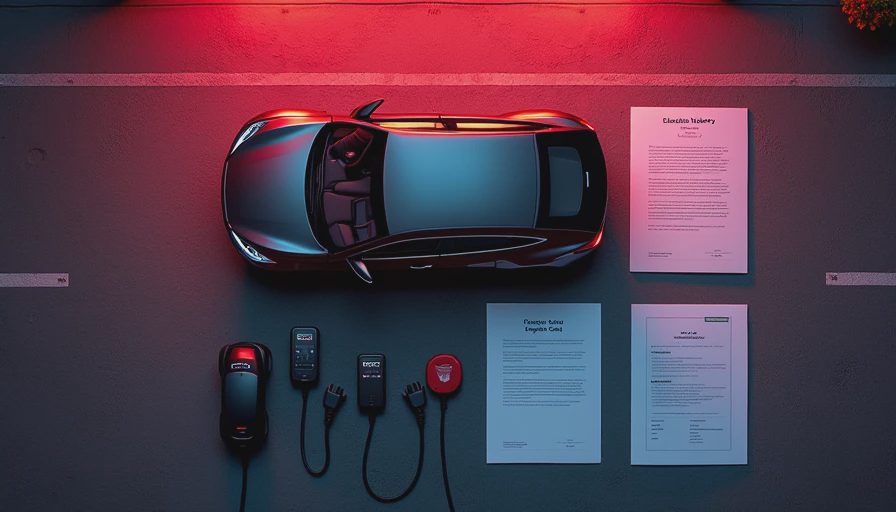
Charging access matters even more. At home, a 240-volt Level 2 charger can replenish a typical overnight commute with ease. Public DC fast charging is a different experience. The newest electric cars vary widely in how quickly they accept power and how long they hold that rate. A Ford Mustang Mach-E can be a comfortable road-trip companion, but its charging curve is not as quick as the Hyundai Ioniq 5 or Kia EV6 under ideal conditions. The Tesla Supercharger network remains a major convenience, although access and compatibility depend on the vehicle, adapter, and station.
Before buying, map the places you actually drive. A homeowner with a garage and a daily commute under 50 miles has a much easier EV decision than an apartment resident who depends entirely on public chargers. A charger installation can cost about $500 to $2,000 before unusual electrical work, while frequent public charging can erase some of an EV’s operating-cost advantage.
How the newest electric cars drive
The best electric vehicles feel settled, not merely fast. Instant torque makes a 0-to-60-mph run in the four- to six-second range common, but acceleration is the easy part. Steering weight, brake-pedal consistency, and ride quality separate a serious car from a rolling gadget.
The Porsche Macan Electric is the enthusiast’s standout in this group. Its body control and steering feel are unusually polished for a crossover, and its available battery supports strong performance. The tradeoff is a starting price well above mainstream EVs, limited rear visibility, and options that become expensive quickly. It is not the rational choice, but it is a convincing driver’s car.
The Lucid Air remains the range champion in spirit, with certain versions rated above 500 miles by the EPA. Its cabin is spacious, its ride is supple, and its low body slips through the air efficiently. Yet the rear-seat opening, interface learning curve, and limited service footprint deserve attention. Impressive numbers do not automatically make a car easy to live with.
At the opposite end, the Tesla Model 3 brings quick acceleration, long range, and a mature charging ecosystem at a competitive price. Its minimal cabin design is clean but not universally friendly, and moving basic functions onto a central screen can distract from driving. The newest electric cars are not all improvements in every direction; each one involves a compromise.

Ownership costs and insurance considerations
Electric vehicles often use less energy than gasoline cars and require no oil changes, spark plugs, or exhaust repairs. Regenerative braking can also reduce brake-pad wear. Those savings are most compelling for drivers who charge at home and keep a car for several years.
Insurance is less predictable. EVs can cost more to repair because of expensive battery packs, specialized components, aluminum bodywork, and fewer collision technicians trained on high-voltage systems. A replacement battery is not a routine expense, but a serious collision can produce a large claim. Obtain insurance quotes for the exact trim before buying; a rear-wheel-drive model with smaller wheels can price differently from a high-performance version.
Also compare the deductible on collision and comprehensive coverage. Comprehensive generally covers non-collision events such as theft, glass damage, weather, or animal strikes, while collision addresses damage from hitting another vehicle or object. Raising a deductible might lower the premium, but only choose an amount you could pay after an accident.
A practical buyer’s checklist
Start with the charging question, not the touchscreen. Confirm whether your home electrical panel can support a Level 2 installation and whether your workplace or apartment offers dependable charging. Then estimate a realistic weekly mileage and add a winter-weather buffer if you live in a cold region.
Next, compare the whole purchase price. Include destination fees, home-charger work, tires, insurance, and financing. Federal or state incentives can change, and eligibility often depends on income, vehicle assembly, battery sourcing, and purchase date, so verify current rules rather than relying on an old advertisement.
Finally, spend at least an hour in the driver’s seat. Test rear visibility, child-seat access, cargo space, one-pedal driving, and the brake transition from regeneration to friction braking. Drive over broken pavement, not just a smooth dealership loop. The newest electric cars can feel spectacular for ten minutes; ownership is measured in years.
The Verdict: pros, cons, and whether you should actually buy one
Pros. The newest electric cars are quieter, quicker, and more varied than the first generation. The Hyundai Ioniq 5 is a strong all-rounder, the Kia EV9 is a practical family hauler, the Equinox EV offers compelling value, and the Porsche Macan Electric proves an EV can be genuinely entertaining.
Cons. Public charging remains uneven, large batteries add weight and expense, and insurance or collision repairs can cost more than expected. Some cabins also substitute screen menus for straightforward buttons.
Bottom line. Buy an EV if you can charge conveniently, your driving pattern suits its range, and you plan to keep it long enough to benefit from lower routine maintenance. For most shoppers, the newest electric cars are no longer science projects. They are credible transportation, with the best examples now good enough to be judged like any other car.
Score: 8.0/10 for the current EV field. The technology is ready; the right model still depends on your driveway, budget, and tolerance for planning.