From behind the wheel, the first thing you notice in the Tesla Model Y is not the instant acceleration. It is the silence around it. The car gathers speed with an eerie smoothness, while the upright seating position and broad glass area make it feel more like a compact utility vehicle than a low-slung electric hatchback. That combination remains the central appeal of the Tesla Model Y: it is quick, useful, easy to operate, and familiar enough to replace a gasoline crossover without demanding a new lifestyle.
What the Tesla Model Y Does Well
The Tesla Model Y has always been strongest as a piece of transportation rather than a luxury object. Its rear seat is genuinely usable for adults, the hatchback opening swallows grocery bags and small furniture, and the front trunk adds a useful second storage compartment. Fold the rear seats and the cargo floor becomes a practical load bay for bicycles, luggage, or a week of household errands.
The driving position is commanding without making the car feel cumbersome. Steering is light, and the turning circle is manageable in parking garages. Dual-motor versions deliver the kind of thrust that makes merging onto a freeway almost comically easy. Tesla quotes zero-to-60-mph times in the low-four-second range for its quicker variants, and the sensation is convincing even when the battery is not fully charged.
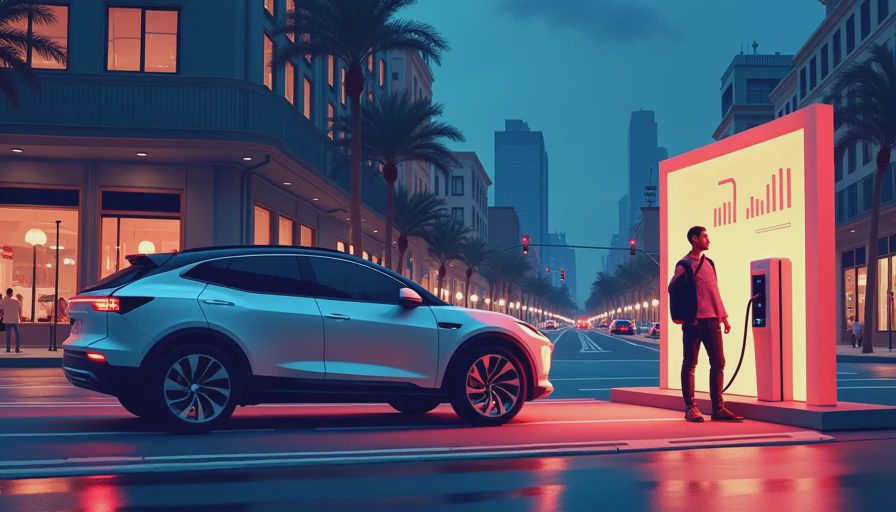
Range depends on trim, wheel choice, weather, speed, and battery condition. Depending on configuration and model year, official estimates have generally landed roughly in the 250-to-330-mile range. That is enough for most daily driving, while the Supercharger network remains one of the vehicle's most valuable advantages on a long trip. A driver who can charge at home will usually spend far less on energy than with a comparable gasoline crossover, especially when most charging happens overnight.
The cabin is also refreshingly simple. There are no conventional gauges directly in front of the driver, and nearly every major function runs through the center screen. That arrangement looks clean and gives Tesla room for frequent software updates, but it requires a learning period. Adjusting wipers, mirrors, or climate settings while moving is less intuitive than using dedicated controls in a Honda CR-V or Mazda CX-50.
Ride, Handling, and Everyday Comfort
The Tesla Model Y is not a sports car, but it has a low center of gravity and responds crisply to steering inputs. The Performance version is particularly fast, with strong corner-exit acceleration and enough grip to embarrass many small performance cars. The standard Long Range-style setup is the better all-rounder because it balances pace with a more tolerable ride.
Ride quality depends heavily on the wheels and tires. Larger wheels look sharp but can transmit sharp-edged impacts through the cabin, particularly on broken urban pavement. The suspension is controlled rather than floaty, yet it can feel busy over a series of potholes. Road noise is another weak point. Newer examples can be quiet on smooth asphalt, but coarse concrete exposes more tire roar than buyers expect from an electric vehicle.
Seats are supportive, visibility is good, and the rear bench offers welcome legroom. The sloping roofline does not ruin headroom, although taller passengers may find the rear cushion a little low. The lack of traditional door handles and the minimalist dashboard are conversation starters, but they also show Tesla's willingness to prioritize design purity over familiar ergonomics.
Tesla's Autopilot and optional driver-assistance systems can reduce fatigue on clearly marked highways, but they do not turn the Tesla Model Y into a self-driving car. The driver remains responsible for monitoring the road. That is not a footnote; it is the operating rule. A careful owner treats these features as assistance, not as permission to look away.
Ownership Costs, Charging, and Insurance
The financial case for the Tesla Model Y is more complicated than its low charging cost suggests. Home charging equipment can cost several hundred dollars for a basic installation and well over $1,000 when an electrical panel upgrade or long cable run is required. Public fast charging is convenient, but repeated road-trip sessions can narrow the operating-cost advantage over an efficient hybrid.
Maintenance is comparatively simple because there is no oil, spark-plug, or conventional transmission service. Tires can be expensive, however, because the car's weight and immediate torque can accelerate wear. A set of replacement tires can easily run from about $800 to more than $1,400, depending on size and brand. Alignment, tire rotation, cabin filters, and brake-fluid checks still matter even when the powertrain needs less attention.
Insurance deserves an early quote, not an afterthought. Repair costs, sensor calibration, battery components, trim availability, location, driving history, and deductible all affect the premium. Collision coverage is usually more expensive than liability-only coverage because it protects the vehicle itself, while comprehensive coverage applies to non-collision losses such as theft, hail, or falling objects. Quotes from GEICO, Progressive, State Farm, and local carriers can differ substantially for the same Tesla Model Y, so comparing several policies can save hundreds of dollars a year.
Before buying, ask an insurer about glass coverage, rental reimbursement, original-equipment parts, and the deductible for collision and comprehensive claims. Those details matter more than a headline monthly price when a windshield, camera, wheel, or body panel needs replacement.
Tesla Model Y Versus the Alternatives
The Tesla Model Y faces better-rounded competition than it did a few years ago. The Hyundai Ioniq 5 and Kia EV6 offer more distinctive interiors and quick charging. The Ford Mustang Mach-E has a more conventional cabin and appealing road manners. The Volkswagen ID.4 emphasizes comfort, while the Toyota RAV4 Hybrid remains a strong choice for buyers who want excellent efficiency without planning around charging stops.
On paper, the Tesla Model Y is the technology leader. In practice, it is the charging convenience and packaging that make the strongest case. The Ford and Hyundai can feel more polished in areas such as ride isolation or physical controls, yet Tesla still offers a particularly cohesive ownership experience for someone who likes app-based access, over-the-air updates, and a large fast-charging network.
Used shoppers should examine more than the odometer. Check tire wear, wheel damage, panel alignment, charge-port operation, windshield chips, suspension noises, and the condition of the touchscreen. Battery warranty coverage varies by version and model year, so verify the remaining terms using the vehicle identification number before signing paperwork. A pre-purchase inspection from an EV-qualified shop is money well spent.
The Verdict: Pros, Cons, and Whether You Should Actually Buy One
The Tesla Model Y earns its reputation through useful talents rather than theatrical styling. It is quick, roomy, efficient, and easy to live with when home charging is available. The hatchback body is more practical than the sleek profile suggests, and the software ecosystem remains a major draw for technology-minded owners.
Pros. Strong acceleration, generous cargo space, excellent front-seat room, low routine powertrain maintenance, and a mature fast-charging network. The driving range is competitive, and the quiet electric power delivery makes daily commuting unusually relaxed.
Cons. Firm ride on larger wheels, noticeable tire noise, expensive tires, screen-heavy controls, and repair or insurance costs that can surprise first-time EV owners. Tesla's minimalist cabin also lacks the tactile warmth found in several newer rivals.
Bottom line. Buy the Tesla Model Y if you want a fast, practical electric crossover and can charge at home. Choose the Long Range-oriented version for the best balance of distance, comfort, and value; select the Performance model only if acceleration matters more than ride quality. If you lack reliable home or workplace charging, a hybrid such as the RAV4 Hybrid may be the more sensible purchase.
The Tesla Model Y is not flawless, and it is no longer alone at the top of the electric-crossover class. It remains, however, one of the clearest answers for a driver who wants one vehicle to handle commuting, errands, road trips, and family duty without giving up speed. Score: 8.0 out of 10.