From behind the wheel, the first thing you notice in the 2026 Hyundai Palisade is not speed. It is the sense of occasion created by the tall seating position, broad hood, and quiet cabin. Hyundai has pushed its largest SUV toward a more upscale class, where the Kia Telluride, Honda Pilot, Toyota Grand Highlander, and Mazda CX-90 already compete for serious family money. The 2026 Hyundai Palisade arrives with a bigger responsibility: it must feel substantial without becoming expensive or cumbersome.
This is a preview rather than a completed instrumented road test. Independent 0-to-60-mph times, braking figures, and long-term fuel economy are not yet available, so I will not pretend otherwise. What we can examine is the vehicle's engineering direction, expected equipment, practicality, and the ownership questions that matter before signing a purchase agreement.
A New Shape With More Presence
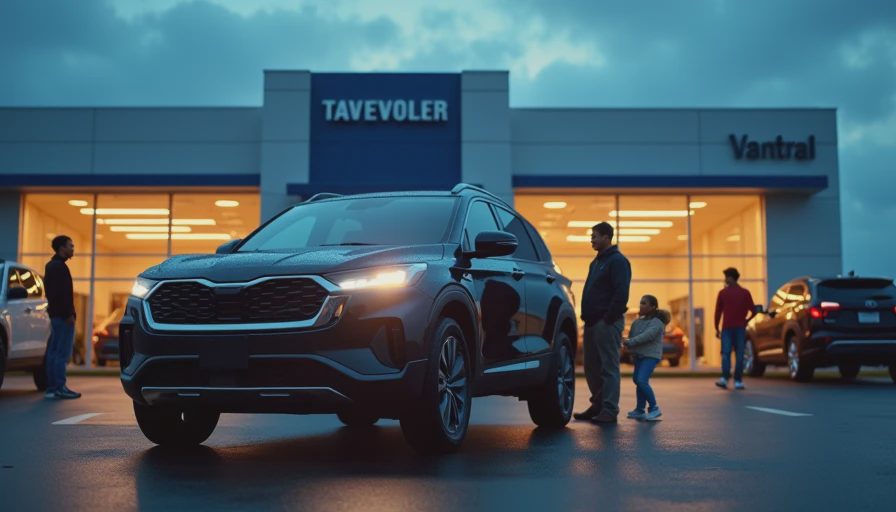
The 2026 Hyundai Palisade gets a more upright, squared-off design that gives it a stronger visual connection to large SUVs. The previous model was handsome but softly rounded. This one appears more deliberate, with a taller nose, a wider-looking stance, and lighting details intended to make the front end recognizable at night. It is not subtle, but large family vehicles rarely need to be.
That extra visual mass should benefit interior packaging. The Palisade has always offered a useful third row, and the new model is expected to continue emphasizing adult-friendly seating rather than treating the rearmost seats as occasional punishment. Families will still need to measure garage openings and child-seat arrangements, but the larger body should create more useful cargo space behind the third row as well as easier access.
The tradeoff is maneuverability. A long, wide SUV can feel awkward in an older parking structure or a crowded grocery lot. Hyundai's surround-view cameras and parking sensors should help, but no camera changes the physical dimensions. Buyers who rarely carry more than five people should consider whether a smaller Santa Fe would serve them better.
Powertrains and Road Manners
The most interesting mechanical development for the 2026 Hyundai Palisade is the availability of a hybrid powertrain alongside a conventional gasoline engine. Hyundai has been steadily expanding its hybrid strategy, and a three-row SUV is a logical place to apply electric assistance. Instant low-speed torque should make the Palisade feel smoother when pulling away from a stop, particularly with passengers aboard.
The gasoline model remains important for buyers who tow, travel long distances, or prefer a simpler powertrain. Exact U.S. output, fuel-economy ratings, and towing figures should be confirmed on the window sticker rather than borrowed from overseas specifications. The same warning applies to acceleration claims. Until an independent test team runs the vehicle, there is no honest 2026 Hyundai Palisade 0-to-60 number to cite.
Ride quality will matter more than outright acceleration. A family SUV earns its keep on broken pavement, freeway expansion joints, and long interstate trips. Hyundai has an opportunity to deliver a composed, quiet ride, but larger wheels and heavily styled tires can work against that goal. I would favor a mid-level trim with sensible wheel sizes over the flashiest package if comfort is the priority.
Interior Technology and Everyday Use
Inside, the 2026 Hyundai Palisade is expected to continue Hyundai's habit of giving mainstream buyers a generous equipment list. A wide display layout, wireless smartphone connectivity, USB-C charging, multiple driver-assistance systems, and available premium audio should make the cabin feel current. The best Hyundai interiors do not merely display technology; they arrange it so a driver can adjust temperature or volume without hunting through menus.
The crucial test will be physical usability. A family vehicle needs storage for bottles, tablets, sunglasses, and the inevitable collection of small objects that accumulates during a road trip. Second-row captain's chairs can improve access to the third row, while a second-row bench is better for carrying six or seven people. Buyers should sit in every row before selecting the configuration.
Hyundai's warranty coverage remains a meaningful part of the ownership argument, although normal maintenance, tires, insurance, and depreciation still determine the real cost of keeping an SUV. A lower monthly payment can be erased quickly by expensive tires or a high insurance premium. Obtain quotes using the exact trim and ZIP code before assuming the most heavily equipped model is the best value.

Pricing, Trims, and Competitors
The 2026 Hyundai Palisade will likely cover a broad price range, from a well-equipped base version in the upper-$30,000s or low-$40,000s before destination charges to luxury-oriented trims that approach or exceed $55,000. Those are reasonable planning estimates, not confirmed transaction prices. Destination fees, dealer pricing, financing rates, and availability can materially change the final number.
The smartest comparison is not simply the lowest sticker price. The Honda Pilot has a straightforward driving character and strong family usability. The Kia Telluride remains a close relative with a distinctive cabin and design. The Toyota Grand Highlander emphasizes useful cargo space and hybrid availability. The Mazda CX-90 aims at a more European driving feel, though its packaging and ride deserve a careful test drive. Against those rivals, the 2026 Hyundai Palisade must combine equipment with quiet competence rather than chase gimmicks.
A midrange trim is likely to be the sweet spot. It should include the safety equipment, heated seats, power liftgate, and useful connectivity most buyers want without charging heavily for decorative wheels and luxury extras. Compare actual lease and finance offers, because a modestly discounted higher trim can sometimes cost little more per month than a stripped-down model.
What We Know and What Still Needs Testing
The 2026 Hyundai Palisade looks promising because its mission is clear: deliver three-row comfort with more polish than a basic crossover and less financial pain than a luxury SUV. Still, important questions remain unanswered. How quiet is it at 75 mph? Does the hybrid feel smooth when its gasoline engine starts? How much room remains behind the third row? Can the suspension control body motion without becoming harsh?
Those questions require more than a showroom walk-around. A proper evaluation should include a full passenger load, a highway fuel-economy loop, emergency braking, a tight parking test, and several hours in the third row. Buyers should also inspect the cargo floor with the rear seats folded and check whether a stroller or golf bag fits without rearranging everything.
If the production vehicle delivers a calm ride, supportive seats, and an intuitive cabin, it could become one of the most complete family SUVs in its price bracket. If the larger design brings excessive weight, busy controls, or disappointing fuel economy, the Toyota and Honda alternatives will remain safer recommendations.
The Verdict: pros, cons, and whether you should actually buy one.
Pros. Stronger exterior presence, a potentially useful hybrid option, generous expected technology, and a cabin designed around genuine family duty. Hyundai's warranty and generally competitive equipment also improve the value calculation.
Cons. Final pricing and U.S. specifications remain important unknowns. Large dimensions could make urban maneuvering tiresome, and the fanciest trims may approach luxury-SUV money without delivering luxury-brand refinement.
Bottom line. The 2026 Hyundai Palisade belongs on every three-row shopping list, but it has not yet earned an unconditional recommendation. Wait for confirmed pricing and independent testing, then drive the gasoline and hybrid versions if both are available. Choose a midrange model with practical wheels and the seating layout your family actually uses. On paper, it is the comfortable alternative. In practice, it will need to prove that comfort survives real roads, real passengers, and real fuel stops.
Score. Not yet rated until instrumented testing is complete. Based on the available information, the 2026 Hyundai Palisade is a promising 7 out of 10 candidate, with room to rise or fall once the numbers arrive.