The BYD Seal puts the driver low in a sleek electric sedan rather than high in another crossover, and that alone makes it worth a look. The larger question for American buyers is whether they can buy, charge, service, and insure one without unusual complications. US availability and support should be verified directly before treating an overseas listing as a purchase opportunity; this is an assessment of the car and its ownership considerations, not a road test.
The Seal has been offered in rear-wheel-drive and dual-motor all-wheel-drive configurations in overseas markets. That gives it a broad brief: efficient commuter in one specification, quick all-weather sedan in another. But specifications, equipment, and charging hardware vary by market and model year. Don't assume the car advertised in one country is identical to the one pictured in a review from another.
What kind of car is the BYD Seal?
The Seal is a battery-electric sedan from BYD, positioned in a crowded field of low-slung EVs. Its appeal is straightforward: a conventional trunk, four doors, and a shape that favors the road over the shopping-mall parking lot. For a buyer who wants an electric car without the bulk and driving position of an SUV, that is a useful starting point.
The rear-drive versions are the ones I'd investigate first for everyday use. They avoid the added complexity of a second driven axle and may cost less than comparable all-wheel-drive versions, depending on the market. The dual-motor models are aimed at buyers who want stronger acceleration and additional traction. Neither drivetrain label tells you how the car steers, rides, or stops, however; those judgments require time behind the wheel and proper testing.
BYD has used lithium iron phosphate battery chemistry in the Seal. That chemistry is often valued for durability and thermal stability, but battery chemistry alone doesn't guarantee range, charging speed, or longevity. Pack size, temperature, charging habits, and the vehicle's battery management all matter. Check the exact specification of the car you're considering rather than relying on a generic figure.
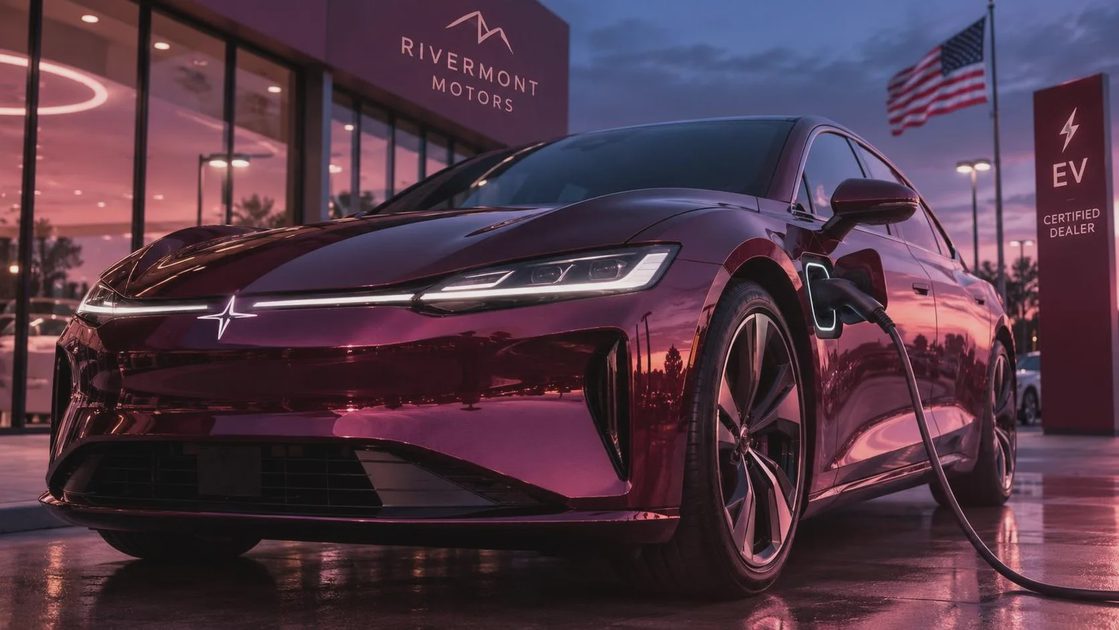
How the BYD Seal stacks up against familiar rivals
The Tesla Model 3 is the obvious reference point for an American shopper who wants a compact electric sport sedan and access to an established US charging and service ecosystem. The Hyundai Ioniq 6 is another sedan-shaped alternative, especially for buyers interested in its distinctive styling and fast-charging capability. The BMW i4 suits someone who prioritizes a premium cabin and a hatchback opening over a conventional sedan trunk, although its price and equipment should be compared carefully.
Against those cars, the BYD Seal has an intriguing advantage in concept: it offers a dedicated electric-sedan layout and a choice of drivetrains without pretending to be an SUV. Its disadvantage for a US buyer is less about the sheet metal than the infrastructure around it. A good car becomes a difficult recommendation if warranty coverage, replacement parts, software support, and routine service are uncertain.
Range comparisons deserve particular care. An overseas test-cycle rating isn't interchangeable with a US EPA estimate. Even two EPA-rated cars can return different results in cold weather or at sustained highway speeds. If you are comparing listings, make sure the figures use the same testing standard and relate to the same battery and wheel configuration.
Charging and daily use: check the actual car
A home charger is the most convenient arrangement for many EV owners, but the BYD Seal's compatibility with US equipment cannot be assumed from a photograph. Charging connectors and vehicle specifications differ across markets. Confirm the inlet type, supported AC charging, and DC fast-charging compatibility for the exact vehicle, including whether any adapter is approved and practical to use.
A connector that physically fits is only the beginning. Payment, network authorization, communication between car and charger, and available charging speeds all affect the experience. Ask a qualified charging installer about home equipment, and confirm public-network compatibility before committing to an imported vehicle. Don't plan a cross-country trip around an unverified adapter.
Cabin usefulness is just as important as a charging curve. Check rear-seat headroom, how easily a child seat fits, and whether the trunk opening accepts the luggage you actually carry. A sedan's enclosed trunk can keep belongings out of sight, but a hatchback such as the i4 offers a wider opening for bulky cargo. On any prospective purchase, verify the infotainment language, navigation coverage, phone integration, and whether connected services work in the United States.
The US ownership question
I would not buy a BYD Seal based solely on an overseas price converted into dollars. Shipping, applicable duties, state registration requirements, insurance, and any necessary compliance work can change the calculation substantially. Before sending a deposit, ask the seller for the vehicle identification number and documentation showing how that specific car can be imported, titled, and registered where you live.
Federal vehicle-safety and emissions import requirements can be complicated, and an electric powertrain does not automatically exempt a car from every applicable rule. Confirm the path with the relevant federal and state authorities or a qualified importer. Rules and eligibility can depend on the vehicle and its age; a seller's assurance that another car was imported is not proof that this one qualifies.
Then investigate the less glamorous matters: who will repair collision damage, supply a windshield, diagnose a battery fault, and honor a warranty? An overseas factory warranty may not transfer or apply in the United States. Get the coverage terms in writing, identify a service provider willing to work on the car, and obtain an insurance quote using the actual vehicle details. If those answers are vague, the apparent bargain is no bargain.
Verdict
The BYD Seal is a compelling idea for the enthusiast who wants an electric sedan rather than another tall utility vehicle. Its range of drivetrain configurations and dedicated EV layout are worth attention, and its overseas presence makes it a useful reminder that American buyers don't see every interesting car on the market.
The criticism is equally clear: attractive specifications are no substitute for a supported ownership experience. Until the exact car's US availability, legal status, charging compatibility, service, and warranty are established, I'd direct most American shoppers toward a Model 3, Ioniq 6, or i4 they can inspect and support locally. Buyers shopping abroad should compare their local Seal specification and dealer network on their own merits.
No numerical score is warranted without a road test. The fair judgment for now is that the Seal deserves consideration where it is properly sold and supported, but it is a risky proposition for a US buyer contemplating an undocumented import.