From behind the wheel, a low monthly payment feels exactly like a high one. The best new car deals start with the price of the vehicle, not the number printed in the largest type on an advertisement. Compare written out-the-door quotes, check financing separately, and treat every rebate as conditional until the dealer confirms you qualify.
For a sensible starting list, consider the Toyota Corolla if low running costs matter more than excitement; the Honda Civic if you want a compact car with a more engaging character; and the Subaru Forester if all-wheel drive and a practical cabin rank higher than sharp handling. None is automatically the cheapest buy: the better deal depends on local inventory, trim, financing, and the price a dealer will actually put in writing.
Start with the car, not the promotion
A discount on a vehicle that doesn't fit your life is not a bargain. Before hunting new car deals, settle on two or three models and the equipment you need. A commuter might prioritize fuel economy and comfortable seats; a household carrying bulky gear may need a roomier cargo area. Check insurance quotes early, especially if you're comparing vehicles in different classes.
The Corolla's appeal is its straightforward economy, although drivers seeking more power or a particularly roomy back seat should compare alternatives. The Civic offers a more involving driving character, but its transaction price may be less attractive once you select the equipment you want. The Forester makes sense for buyers who value space and standard all-wheel drive, though a compact sedan can be easier on the fuel budget.
Compare specific trims rather than assuming every example of a model has the same safety or convenience equipment. Availability and features can change by model year. Ask for the vehicle identification number, or VIN, so every quote refers to an actual vehicle rather than a hypothetical one.
Get an out-the-door number you can compare
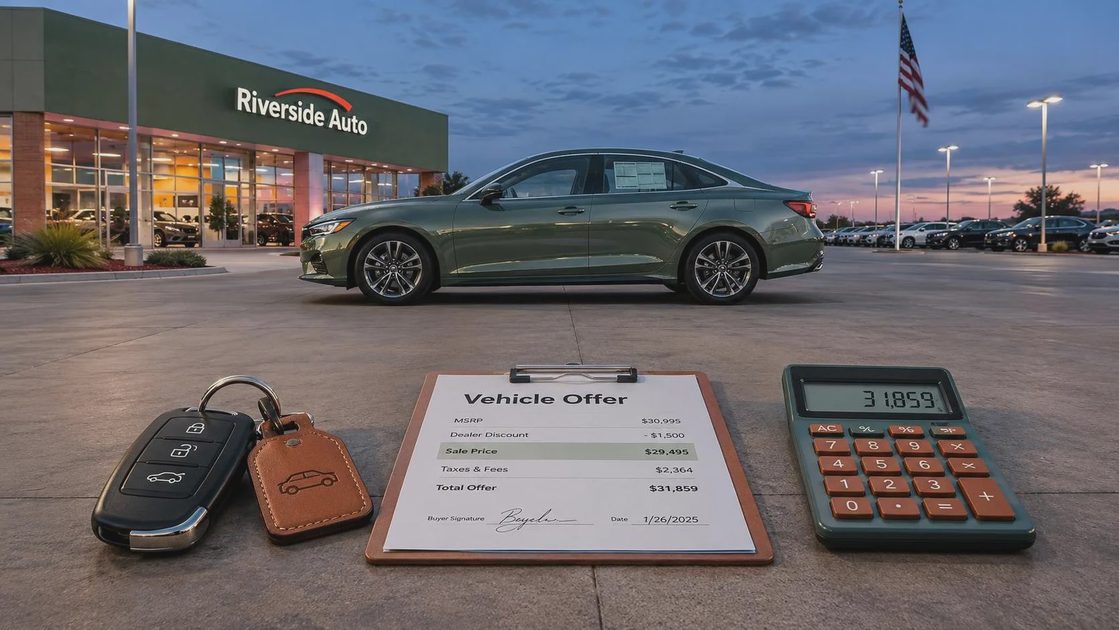
Contact several dealers with the same request: quote the specific vehicle's selling price and the total out-the-door price, including taxes, registration, documentation charges, and any installed accessories. Ask for a breakdown in writing. Dealers in different jurisdictions may calculate taxes and fees differently, so make sure each quote reflects where the car will be registered.
Some new car deals look impressive until accessories appear on the worksheet. Paint protection, wheel locks, nitrogen-filled tires, and security products may be presented as mandatory or preinstalled. Ask whether each charge can be removed and whether the item itself is already on the car. If the dealer won't budge, compare the total against another vehicle rather than arguing about the value of each add-on in isolation.
A simple hypothetical shows why the total matters: a $1,500 discount followed by $1,200 in unwanted accessories saves only $300 before any other differences. That's not a reason to reject the car automatically; it is a reason to compare the complete offer with competing quotes.
Keep your trade-in separate at first. Agree on the new vehicle's price, then discuss what the dealer will pay for your existing car. A generous trade allowance can disguise a higher selling price, and the reverse can also be true. If you owe more than the trade is worth, ask how that negative equity will affect the new loan.
Read the incentive and financing fine print
Manufacturer rebates and promotional interest rates can improve new car deals, but the headline offer may not apply to your trim, location, or purchase date. Some incentives require financing through the manufacturer's lender; others are limited to eligible customers. Offers may not be combinable. Ask the dealer to list each incentive and its requirements rather than assuming every advertised amount stacks.
Get a preapproval from a bank or credit union before visiting the dealership. It gives you a rate to compare with dealer-arranged financing, though a final loan still depends on approval and the vehicle. Compare annual percentage rate, amount financed, loan term, total finance charges, and any required down payment. A longer term can lower the monthly bill while increasing the interest paid overall.
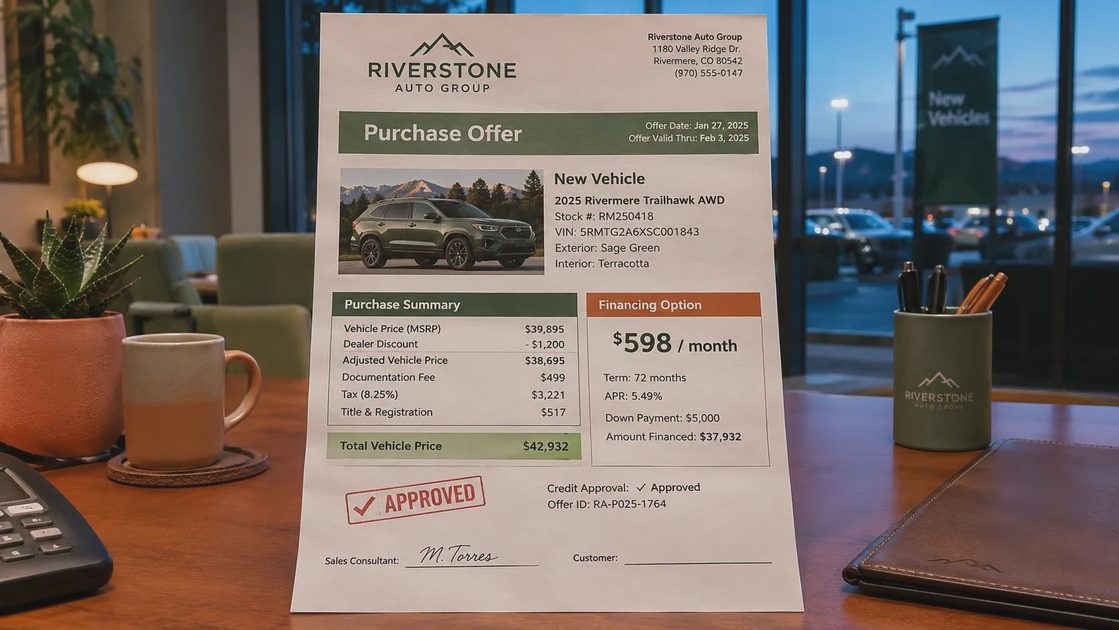
A low promotional rate is not necessarily better than a cash rebate paired with outside financing. Ask for both versions of the deal, using the same vehicle price, down payment, and loan term. Compare total payments plus the down payment, not just the monthly figure. Include any rebate in the appropriate quote only once.
Leases require a different calculation. Compare the amount due at signing, monthly payment, term, mileage allowance, and purchase option. The advertised payment may exclude taxes or assume a sizable initial payment. Excess-mileage and wear charges can matter when the car goes back, and a large upfront payment reduces the monthly figure without making the lease itself cheaper.
Timing helps, but inventory matters more
End-of-month and model-year clearance promotions can be useful, but neither guarantees the lowest price. A dealer may be more willing to negotiate on a vehicle that has sat in stock than on a scarce configuration. Likewise, an outgoing model-year car may carry a larger discount but have a lower resale value later than an otherwise comparable newer model. Compare the actual equipment and total price before deciding whether that trade-off is worthwhile.
Search beyond your immediate neighborhood if you can comfortably travel to inspect and collect the car. For new car deals across state lines, confirm registration requirements, applicable taxes, and any temporary-tag arrangements before leaving a deposit. Ask whether the deposit is refundable and get the terms in writing.
Before you sign
Inspect the car identified on the paperwork. Check the VIN, exterior condition, mileage, tires, and the equipment you agreed to buy. Make sure any promised repairs or missing accessories are recorded in writing, with a completion date where possible.
In the finance office, review the contract line by line. Optional service contracts and other protection products deserve the same scrutiny as accessories: understand the price, coverage, exclusions, and cancellation terms before agreeing. Verify that the selling price, down payment, trade allowance, loan terms, and fees match the quote. If they don't, ask for a corrected contract before signing.
The Verdict
The strongest new car deals combine a vehicle you actually want with a transparent total price and financing you understand. The upside of shopping several dealers is a clearer view of the market; the downside is that advertised discounts can consume time without being available to you. I'd choose the clean, competitive written offer over the flashier advertisement every time. This is a buying guide rather than a road test, so a vehicle score would be beside the point.