From behind the wheel, the first thing you notice is how little drama the Crosstrek needs to make progress. It settles into a wet freeway lane, rides over broken pavement, and climbs a loose gravel road with the calm competence of a well-worn hiking boot. The 2026 Subaru Crosstrek is not a sports car, and it does not pretend to be one. Its appeal is more durable: useful clearance, standard all-wheel drive, a practical cabin, and an outdoorsy character that works in ordinary commuting.
This is a forward-looking review rather than a completed instrumented road test. Subaru’s final 2026 specifications, pricing, and equipment details should be confirmed before purchase. Still, the current Crosstrek gives us a reliable starting point for judging what the next model needs to improve. On paper, it is the sensible small crossover. In practice, it has to beat increasingly polished rivals from Honda, Toyota, Mazda, and Chevrolet.
What the 2026 Subaru Crosstrek needs to get right
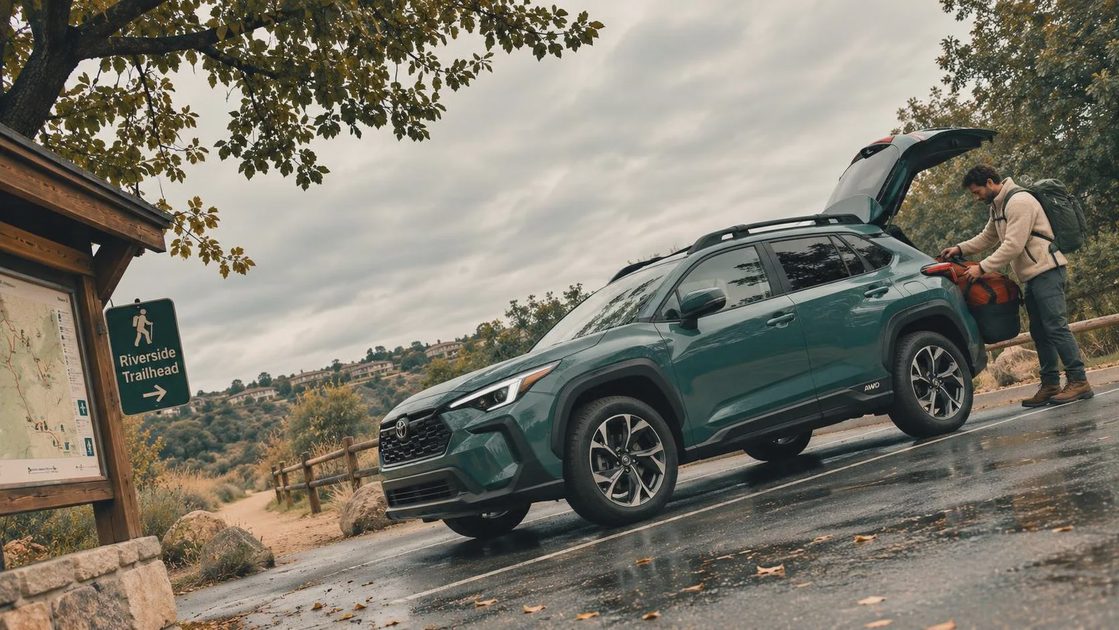
The Crosstrek’s strongest argument is that it handles messy daily life without requiring a lifestyle change. The raised ride height makes a steep driveway, snow-packed street, or rutted trail less intimidating. Standard all-wheel drive is a meaningful advantage for drivers in mountain states and northern climates, although it does not replace winter tires or careful driving. The hatchback shape also provides easier loading than a conventional sedan, with enough room for groceries, a folded stroller, or weekend camping equipment.
The current generation offers multiple powertrains, including a modest base engine and a stronger option in upper trims. For the 2026 Subaru Crosstrek, I would prefer Subaru to sharpen throttle response and reduce the strained engine note heard during hard acceleration. The continuously variable transmission is smooth when treated gently, but passing on a two-lane road can produce more noise than speed. That is acceptable in an economy crossover; it is less convincing when the price approaches larger compact SUVs.
Ride, handling, and everyday comfort
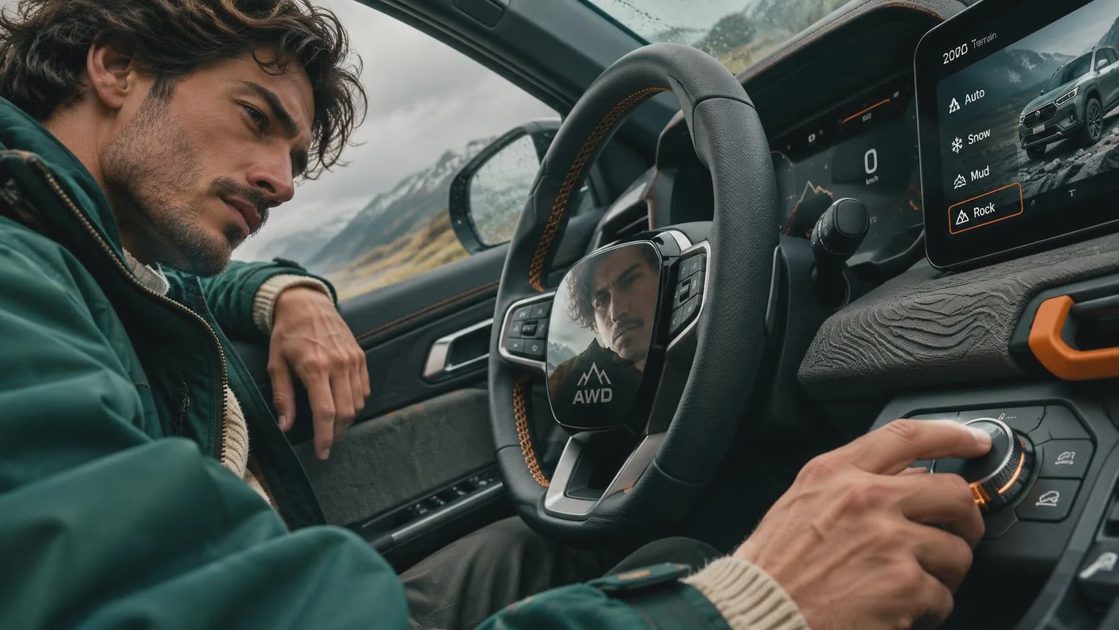
A good Crosstrek does not chase cornering numbers. It prioritizes visibility, predictable steering, and suspension travel that can absorb the ugly pavement most owners encounter every day. That formula remains persuasive. The steering is light but not vague, and the body stays composed when a fast lane change becomes necessary. Around town, the compact dimensions make parking easier than in a Forester or Toyota RAV4.
The compromise is acceleration. Depending on the final engine lineup, buyers should expect the 2026 Subaru Crosstrek to feel adequate rather than quick. I would not publish a 0-to-60 estimate or braking result until a production example has been tested with proper instruments. For context, current versions are generally commuter-paced, not performance-oriented. A driver who regularly carries four adults, climbs steep grades, or tows should investigate the strongest available powertrain instead of choosing solely by trim price.
Seat comfort is likely to remain a virtue, especially for front occupants. Rear-seat space is usable but not limousine-grade, and taller passengers will notice the difference between this small crossover and a midsize SUV. Road and wind noise are also areas where Subaru can spend money wisely. A quieter cabin would make long interstate trips feel less utilitarian without changing the vehicle’s practical mission.
Interior technology and cargo usefulness
Subaru’s cabin design has generally favored function over visual theater. That is the correct instinct, but the 2026 Subaru Crosstrek should deliver faster menus, clearer graphics, and physical controls for frequently used climate settings. A driver should not have to hunt through a touchscreen to lower the temperature while wearing gloves. Wireless smartphone connectivity, multiple USB-C ports, and a well-placed wireless charging pad would be more valuable than decorative trim.
Cargo capacity matters more than a glossy dashboard. The rear seat should fold in a genuinely useful way, leaving a reasonably flat floor for a bicycle wheel, tool case, or pair of medium-size suitcases. Measure the opening, not just the published volume, because a tall hatch can be more useful than a larger number achieved through marketing methodology. Waterproof accessories, a cargo liner, and roof crossbars could turn the Crosstrek into a credible weekend machine for roughly a few hundred dollars beyond the purchase price.
Visibility remains one of the car’s strongest traits. The upright seating position, large glass area, and manageable hood make it friendly for new drivers and older owners alike. That friendliness is not glamorous, but it is the kind of quality that remains valuable after the novelty of a new vehicle wears off.
Safety, fuel economy, and ownership costs
The 2026 Subaru Crosstrek will likely attract buyers who value confidence more than outright speed. Subaru’s driver-assistance suite has traditionally included features such as forward collision warning, automatic emergency braking, and lane-related assistance, though exact standard equipment should be checked by trim. These systems can reduce workload, but they are not self-driving technology. The driver remains responsible for steering, attention, and safe following distances.
Fuel economy will depend on engine, transmission, tires, and trim. Do not assume that all-wheel drive makes every version equally efficient. A realistic budget should include registration, insurance, winter tires in snow country, and scheduled maintenance. The Crosstrek’s compact size can help keep fuel and tire costs below those of a larger SUV, while Subaru’s strong resale demand may support long-term value. Still, dealer pricing, financing rates, and regional availability can change the ownership equation quickly.
The base model may be the financial sweet spot if it includes the safety and connectivity equipment a buyer actually wants. Higher trims add comfort and appearance features, but a fully loaded Crosstrek can overlap with larger vehicles. Get quotes from at least three insurers, compare deductibles and coverage limits, and price replacement tires before signing. A low monthly payment does not make an expensive configuration cheap.
How it compares with its rivals
Against the Honda HR-V, the 2026 Subaru Crosstrek should offer a more outdoors-oriented personality and standard all-wheel drive, while Honda may answer with a polished cabin and straightforward urban manners. The Toyota Corolla Cross can appeal to shoppers focused on efficiency and familiar Toyota ownership, but Subaru’s ground clearance and trail-ready image remain distinctive. Mazda’s CX-30 is likely to feel more refined and responsive, although its rear-seat practicality is not the primary attraction.
The Chevrolet Trax and Buick Envista offer compelling space and often attractive pricing, but they follow a front-wheel-drive formula rather than Subaru’s all-weather approach. A buyer in Phoenix may value their efficiency and lower entry cost. A buyer in Vermont, Colorado, or the Pacific Northwest may place a higher value on Subaru’s traction strategy and clearance. There is no universal winner here; use your roads, weather, passengers, and budget as the deciding test.
The Verdict: pros, cons, and whether you should actually buy one
Pros. The 2026 Subaru Crosstrek should remain easy to place on the road, useful on rough surfaces, practical for daily hauling, and appealing to buyers who want standard all-wheel drive without moving into a large SUV. Its upright visibility and sensible dimensions are genuine advantages, not brochure decoration.
Cons. Acceleration is unlikely to become a headline feature, and the cabin may still trail the best rivals for quietness and screen polish. A heavily equipped version could also become expensive enough to challenge larger crossovers with more rear-seat room.
Bottom line. Buy the 2026 Subaru Crosstrek if you want a compact vehicle for commuting, winter weather, light trails, and weekend gear, and you prefer predictable capability to showroom theater. Wait for final pricing and a production test drive before choosing a top trim. If Subaru improves refinement without abandoning the simple formula, this remains one of the more honest small crossovers available.
Score: 7.5 out of 10, pending final specifications and instrumented testing. The Crosstrek does not need to become faster or flashier. It needs to remain useful, affordable, and composed when the pavement ends.