From behind the wheel of the current Outback Wilderness, the first thing you notice is not its ground clearance or plastic cladding. It is the relaxed way the car absorbs a battered forest road while remaining composed on pavement. That combination is the reason the 2026 subaru outback wilderness deserves attention, even though complete factory specifications and independent test results are not yet available.
This is a preview, not a pretend road test. Subaru has not supplied enough confirmed information to responsibly quote acceleration, braking, pricing, or fuel-economy figures for the 2026 model. What follows separates the established Wilderness formula from reasonable expectations, giving buyers a useful framework before they put down a deposit.
What the Wilderness formula gets right
The Wilderness trim turns the Outback from a soft-edged family wagon into a more credible backcountry tool. The recipe has generally included extra ground clearance, revised suspension tuning, all-terrain tires, underbody protection, lower gearing through the continuously variable transmission, and Subaru's symmetrical all-wheel-drive system. Those changes matter more on a rocky access road than a bright badge ever will.
The raised ride height also improves approach and departure angles, although it does not transform the Outback into a body-on-frame Jeep Wrangler. Its long wheelbase can still hang up on a sharp breakover, and the low-hanging exhaust and bodywork deserve attention around large rocks. In exchange, you get a vehicle that remains easy to live with on a Monday morning commute.
The turbocharged four-cylinder used in recent Wilderness models has provided useful midrange muscle, particularly when climbing grades or carrying camping equipment. It is not a sports-car engine. Response can feel deliberate at low speed, and the CVT sometimes holds revs longer than enthusiasts prefer. Still, the powertrain's broad usefulness is one of the strongest arguments for this trim.

2026 subaru outback wilderness power and efficiency
The central question for the 2026 subaru outback wilderness is whether Subaru will carry forward the turbocharged approach or revise the powertrain as part of a broader model update. Buyers should look for confirmed horsepower, torque, towing capacity, transmission calibration, and EPA fuel-economy ratings before comparing monthly payments with a rival.
Do not treat an estimate from a dealer listing or an online forum as a final specification. Official ratings can change with tire size, final gearing, emissions certification, and equipment. The all-terrain tires that improve loose-surface grip also create more rolling resistance and road noise than the highway tires fitted to a standard Outback. That is a real trade-off, not a flaw hidden by marketing language.
Independent testing will tell the more important story. I want to see a verified 0-to-60-mph time, a 70-to-0-mph braking distance, passing acceleration, cabin noise, and observed highway and city fuel economy. Until those numbers exist, a buyer should use the current model's behavior as a reference rather than assume the 2026 subaru outback wilderness is automatically quicker or more efficient.
Interior, technology, and daily usefulness
The Wilderness has traditionally been more convincing as an everyday vehicle than its rugged styling suggests. The upright seating position gives the driver a clear view, the rear seat is practical for adults, and the cargo area handles a dog, cooler, or pair of mountain bikes with less drama than a compact crossover. Water-resistant upholstery and durable trim are useful for muddy shoes, not just showroom photographs.
The compromise is a cabin that can feel more functional than luxurious. Wind and tire noise are likely to be more noticeable than in a Touring-oriented Outback, especially on coarse freeway pavement. Subaru's infotainment systems have improved, but screen size is not the same thing as intuitive operation. Physical controls for temperature and volume remain preferable when the road is rough.
Safety equipment will be another major buying point. Subaru's EyeSight driver-assistance suite has generally included automatic emergency braking, adaptive cruise control, lane-centering assistance, and related collision-avoidance functions, depending on configuration. These systems support an attentive driver; they do not replace one. Check the exact standard and optional equipment on the window sticker rather than relying on a trim-name summary.
Capability versus its competitors
On paper, the 2026 subaru outback wilderness is the competitor to compact crossovers such as the Toyota RAV4 Woodland, Honda Passport TrailSport, and Ford Bronco Sport Badlands. In practice, the winner depends on how much pavement your adventure includes. The Outback's lower floor, carlike ride, and standard all-wheel drive make it an unusually comfortable long-distance machine.
The Bronco Sport offers a more upright, visibly trail-focused personality, while the RAV4 Woodland emphasizes hybrid-era efficiency and light-duty utility. A larger Passport can bring stronger road presence and interior space, but it occupies a different size and price conversation. The Subaru's appeal lies between those choices: more rugged than a conventional crossover, less specialized than a dedicated off-road SUV.
Before buying, compare approach angles, tire sizes, spare-tire placement, roof-load limits, and towing ratings. A vehicle advertised for adventure still needs the right recovery points and a sensible set of tires for the terrain you actually drive. For most owners, a reliable full-size spare, air compressor, and skid protection will be more useful than aggressive cosmetic accessories.
Price, ownership costs, and insurance
The 2026 subaru outback wilderness will likely command a premium over a regular Outback because of its turbo engine, suspension hardware, tires, and standard equipment. The final MSRP is the number to watch, but the out-the-door figure matters more. Registration, dealer fees, taxes, accessories, and financing can add several thousand dollars before the first tank of fuel.
Insurance pricing depends on the driver's location, age, driving record, credit-based insurance score where permitted, annual mileage, claims history, and selected coverage. Comprehensive and collision coverage will cost more than liability-only protection because the insurer is covering damage to the vehicle itself. A $500 deductible generally produces a higher premium than a $1,000 deductible, though the cheaper premium leaves you responsible for more after a covered loss.
Get quotes using the exact vehicle identification number once available, then compare similar limits from several carriers. GEICO, Progressive, State Farm, and regional insurers can price the same Subaru differently. Ask about rental reimbursement, roadside assistance, glass coverage, and discounts for safe-driving programs or bundled policies. Saving $15 a month is not a bargain if the policy has weak liability limits or a deductible you cannot comfortably pay.
The Verdict: pros, cons, and whether you should actually buy one
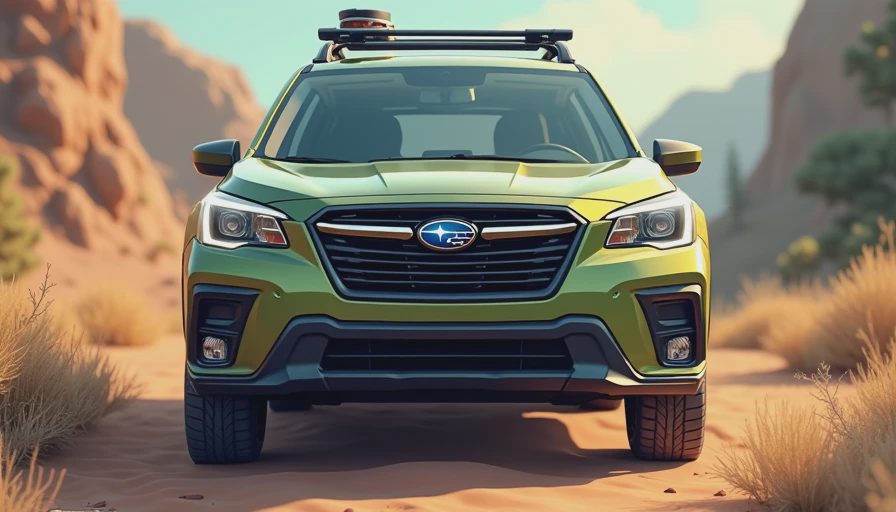
The 2026 subaru outback wilderness is promising because the basic idea remains sound: real all-weather traction, useful clearance, a comfortable road manners, and enough trail ability for the places most owners will visit. Its likely strengths are versatility, visibility, cargo flexibility, and a more honest relationship with rough roads than the average city crossover.
Its likely weaknesses are just as familiar. The CVT may not satisfy drivers seeking crisp shifts, all-terrain tires can reduce fuel economy and increase noise, and the rugged trim may cost more than a standard model without matching a purpose-built off-roader's articulation or durability. Until Subaru publishes final specifications, claims about performance or value should be treated cautiously.
Buy one when you want a daily driver that can reach a trailhead, snowy cabin, or gravel campsite without special preparation. Wait for independent tests if fuel economy, towing, braking, or acceleration will decide the purchase. My provisional score for the 2026 subaru outback wilderness is 7.5 out of 10: an appealing all-rounder, not a mud-slinging superhero. The final verdict depends on pricing and whether Subaru improves the powertrain without sacrificing the calm, useful character that made the Wilderness name worth considering.