
From behind the wheel, the first thing you notice is not horsepower. It is the second-row seat, the sightline over the hood, the way a big SUV settles on the freeway, and whether the third row feels like seating or punishment. That is the point of this **3 row suv comparison 2026**: not brochure math, but the realities that matter once the novelty fades. If you are shopping this class, you are likely looking at the usual heavy hitters: Kia Telluride, Hyundai Palisade, Toyota Grand Highlander, Honda Pilot, Mazda CX-90, and Chevrolet Traverse. All of them do something well. None of them is perfect. The trick is choosing the one whose flaws you can live with.
What Matters Most in a Modern Three-Row SUV
On paper, this class looks crowded. In practice, the winners separate themselves quickly. Space is still king, but usable space matters more than raw cubic feet. A low load floor, wide rear doors, and a third row that adults can tolerate for 30 minutes matter more than a spec-sheet brag. The Toyota Grand Highlander and Chevrolet Traverse score well here because both prioritize honest family packaging. The Honda Pilot is not far behind, with a roomy cabin and smart storage that feels designed by people who have actually driven kids to school.
Then there is drivability. A three-row SUV does not need sports-sedan reflexes, but it should not feel like a concession every time you merge or park. The Mazda CX-90 is the driver's choice, with rear-drive proportions and tidy body control, though its packaging is tighter than the roomiest rivals. The Kia Telluride and Hyundai Palisade remain excellent all-rounders because they balance ride comfort, quietness, and control in a way that flatters daily use.
Price matters too. Most shoppers land between roughly $42,000 and $58,000 once all-wheel drive, safety tech, and a few comfort features are added. At those numbers, a bad interior or clumsy powertrain is no small sin.
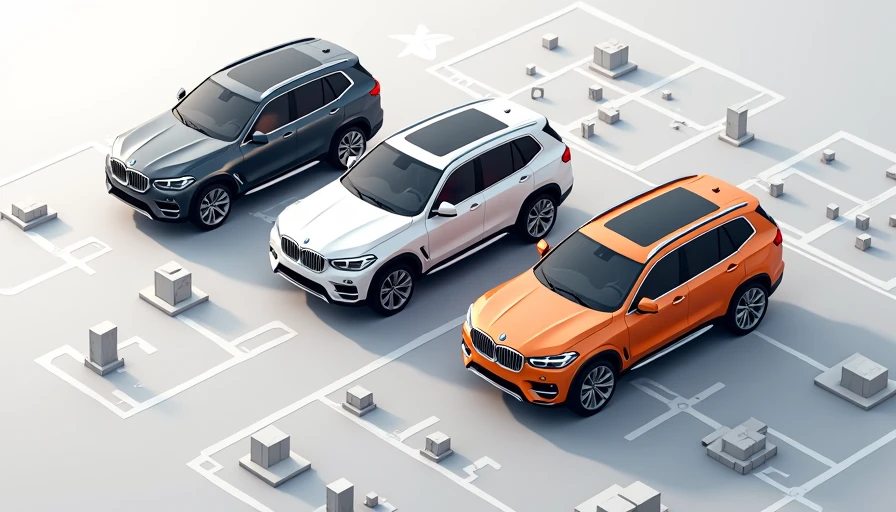
Best Picks for Space, Comfort, and Family Duty
If your priority is moving people with minimum complaint, start with the Toyota Grand Highlander. It is not the most charming thing here, but it is one of the most rational. The third row is genuinely useful, cargo space behind it is strong, and the cabin feels built for long suburban miles. Available hybrid options also give it a meaningful efficiency edge, particularly for high-mileage drivers.
The Chevrolet Traverse deserves a serious look in this **3 row suv comparison 2026** because it has grown into a much more competitive machine. It offers big interior volume, a confident driving position, and infotainment that feels current rather than merely adequate. It is one of the better choices for larger families who routinely use all three rows.
The Kia Telluride and Hyundai Palisade still make their case with polish. Both feel expensive from the driver's seat, both ride well, and both offer intuitive controls. The Telluride leans slightly tougher in design, the Palisade slightly softer in presentation, but the mechanical story is similar: smooth V6 power, predictable road manners, and a well-judged feature set. Neither is the newest idea in the segment, yet both remain among the easiest SUVs here to recommend.
Which Ones Are Best to Drive, and Which Ones Cut Corners
Not every buyer wants a rolling appliance. Some still care how a vehicle responds on a canyon road or simply behaves during a fast freeway transition. That is where the Mazda CX-90 earns its place. It has sharp steering for the class, a composed chassis, and available six-cylinder power that gives it real muscle. A sprint to 60 mph in the mid-six-second range is realistic in stronger versions, and it feels more sophisticated than many rivals. The downside is obvious: the third row and cargo area are less generous than the segment leaders.
The Honda Pilot takes a more pragmatic approach. It is not as athletic as the Mazda, but it is confidence-inspiring, well damped, and easy to place in traffic. Honda also gets the basics right: seating comfort, outward visibility, and cabin usability. In long-term ownership, those things count.
As for weak spots, some entries in this class still chase style at the expense of function. Large wheels can hurt ride quality, touch-heavy controls can distract, and turbo powertrains that look good on paper can feel strained when fully loaded. In this field, the least successful vehicles are usually the ones that ask you to forgive too much in exchange for a dramatic grille or a trendy dashboard.
Powertrains, MPG, and the Cost of Living With One
A proper **3 row suv comparison 2026** has to look beyond sticker price. Fuel economy, maintenance expectations, and insurance costs all shape the real monthly bill. If you drive a lot, the Toyota Grand Highlander Hybrid makes a compelling argument because it can return fuel economy far beyond the typical V6 competition. For a family doing 15,000 to 18,000 miles a year, that is not trivia.
The Telluride, Palisade, and Pilot generally trade in respectable but not class-leading efficiency, often landing in the low 20s combined in real use depending on trim and drivetrain. The Mazda CX-90's stronger engines offer satisfying performance, but buyers should be realistic: more pace usually means paying at the pump. The Chevrolet Traverse lands in the middle, which is acceptable given its size.
Insurance can vary sharply by ZIP code and trim level, especially once large wheels, premium headlights, and driver-assist hardware enter the picture. Before signing, it is smart to compare rates from a few insurers. On a family SUV, a slightly lower premium can matter more over three years than a small discount off MSRP.
My Verdict: Skip the Hype, Buy for the Mission
On paper, there are half a dozen sensible answers in this **3 row suv comparison 2026**. In practice, three rise to the top for most buyers. The Toyota Grand Highlander is the practical champion if space, efficiency, and family utility are your priorities. The Kia Telluride remains the best all-arounder if you want comfort, value, and a cabin that still feels near-luxury without the premium-brand bill. The Mazda CX-90 is the enthusiast's pick for those who want their family bus to remember it has a steering rack.
If you need maximum room, buy the Toyota or Chevrolet. If you want broad competence with minimal downside, buy the Kia or Hyundai. If you care about driving and can accept tighter packaging, buy the Mazda. The Honda Pilot sits squarely in the sensible middle, and there is nothing wrong with that.
**The Verdict: pros, cons, and whether you should actually buy one.**
**Pros:** strong safety tech across the class, better cabins than this segment used to offer, genuinely useful space in the top entries.
**Cons:** prices climb fast, some trims prioritize appearance over ride comfort, and not every third row is as usable as the marketing suggests.
**Bottom Line:** For most families, the best buy is still the one that balances space, comfort, and long-term cost rather than chasing headline horsepower.
**Score:** 7.8/10 for the class overall; 8.5/10 for the segment's best executions.