From behind the wheel, the first thing you notice is that Car and Driver 10 Best 2026 is not really about flash; it is about the cars that still feel right after the novelty wears off. A good one settles into your hands on a rough freeway, shrinks the miles on a weekday commute, and does not punish you for choosing the sensible trim. That is why this list matters to buyers, even if they never read the fine print. It points toward cars that are satisfying in the places where ownership gets expensive: fuel, tires, brakes, insurance, and the daily grind of living with the thing.
Why Car and Driver 10 Best 2026 still matters on a shopping lot
Most award lists hand out applause. This one has always been more useful because it tries to separate vehicles that are merely well packaged from those that are actually rewarding to drive. A car can post quick numbers and still feel nervous at 70 mph, or it can be quiet and efficient while draining the fun out of every mile. The better entries tend to do both jobs at once. They steer cleanly, ride with some grace, and make ordinary errands feel less like a chore.
That is the practical value of Car and Driver 10 Best 2026: it narrows the field before you spend a Saturday test-driving. If you are comparing a Civic, a Mazda3, a Prius, a 3 Series, or an electric crossover from Hyundai, Kia, or Tesla, the list gives you a clue about which brands are still building cars with some personality left in the chassis. It is not a substitute for a drive, but it is a smarter place to start than sorting by touchscreen size or discount lease payment.
What the list rewards, and what it quietly ignores
The cars that usually rise to the top share a few traits. They are responsive without being jittery, comfortable without turning sloppy, and priced so that a normal buyer can still picture signing the papers. In old magazine language, they have a sweet spot. On paper, that might mean a 6-second 0-60 run, a braking distance around 110 feet, and observed fuel economy in the low 30s. In the real world, it means the car feels eager enough to pass traffic, calm enough to live with, and efficient enough that the fuel gauge does not make you nervous.
What gets ignored is just as important. An infotainment screen full of tricks does not help if the seat is hard after 40 minutes. A fast launch means little if the steering feels remote. A bargain sticker can be misleading if the base model rides on cheap tires and the next trim jumps $4,000 for the features most buyers expected in the first place. The list rewards execution, not just spec-sheet theater.
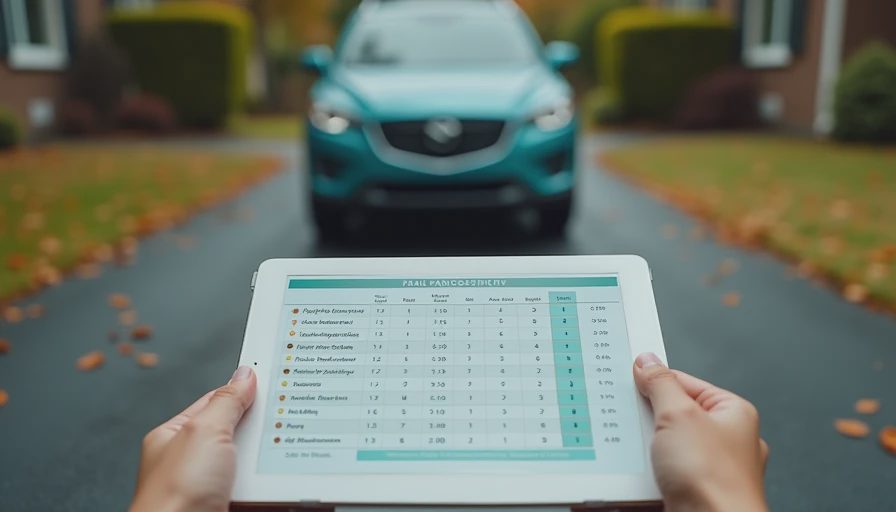
How past winners point to the kind of car worth chasing
Even without treating any single year like scripture, the pattern is easy to see. The repeat players in this space tend to be cars that cover a lot of ground for the money. A Honda Civic or Mazda3 wins respect because it never feels like a penalty box. A Toyota Prius earns a seat at the table when efficiency does not erase usefulness. A BMW 3 Series lands there when it still feels like a sports sedan instead of a badge exercise. The best electric entries do the same thing when range, charging speed, and ride quality line up.
For shoppers, that pattern matters more than the badge itself. If you are cross-shopping a compact sedan against a small SUV, the safer money often goes to the car that was engineered from the start to be good at everything rather than tall and trendy. That usually means less body roll, better steering feel, and lower tire and brake bills over time. It can also mean lower insurance costs, especially when you stay away from the hottest performance trims and oversized wheel packages.
How to use the list without buying the wrong trim
This is where a lot of smart buyers get tripped up. The nameplate gets the praise, but the trim level decides whether you love the car or merely tolerate it. A base model may be the bargain, but a mid-level version often adds the equipment that makes ownership easier: heated seats, better headlights, a larger fuel tank, and more sensible safety tech. Jump too far up the range, and the monthly payment can rise faster than the extra joy it delivers.
The same logic applies to insurance. A well-regarded sedan with a modest engine usually costs less to insure than the same car in its hottest version. Bigger wheels, more power, and expensive sensors can push premiums higher. It is not unusual for a family to see a difference of several hundred dollars a year between a calm commuter trim and the top performance model. That is why the shopping process should include an insurance quote before you fall in love with the brochure.
If you are using Car and Driver 10 Best 2026 as a filter, compare the cars on actual ownership math: payment, fuel, service intervals, tire size, and the quote from your insurer. A great test drive can make you emotional; a two-year cost estimate brings the temperature back down.
Where the award can mislead a careful buyer
The list has limits, and pretending otherwise helps no one. A car that shines on a mountain road may be annoying in heavy traffic. A sporty hybrid can look clever until you spend two winters on bad pavement and decide you wanted more sidewall. A luxury sedan may be brilliant dynamically and still cost too much to keep on the road once depreciation, maintenance, and insurance are all counted.
There is also the problem of use case. A single driver with a short commute can live with a firmer ride and a tighter cabin. A family with car seats, sports gear, and a dog needs different answers. That is why the list works best as a short list, not a final verdict. It tells you which cars deserve attention. It does not tell you whether the cargo floor fits a stroller or whether the backup camera still looks clean after two salty winters.

Verdict
Car and Driver 10 Best 2026 is useful because it still values the old virtues: steering feel, ride quality, visibility, and the ability to make daily driving less tedious. Its biggest strength is discipline. Its biggest weakness is that it cannot know your commute, your family size, or the insurance quote waiting in your inbox.
The practical way to use it is simple. Start with the list, narrow to the body style you actually need, then compare trims and quotes before you sign anything. If a car lands here and also fits your budget, that is a strong sign you are looking at one of the better buys in the market.
Score: 8/10 as a shopping tool. Not a final answer, but a very good way to avoid wasting time on cars that only look impressive from the outside.
The Verdict: pros, cons, and whether you should actually buy one.