From behind the wheel, the first thing you notice is how low the hood sits and how little the car apologizes for itself. The Chevrolet Camaro has always felt more like a cockpit than a cabin, and that is still the appeal. Even with the final sixth-generation cars now mostly trading hands on the used market or sitting on leftover dealer lots, the shape, the seating position, and the engine choices still make a plain argument: this is a serious driver's coupe, not a style exercise.
What the Camaro still gets right
A Chevrolet Camaro still does its best work when the road opens up. The steering has a clean, well-weighted feel, the chassis turns in with real intent, and the body stays flatter than you expect from something that can wear a V8. In SS form, magazine testing has put the car around 4.0 seconds from 0 to 60 mph, with 70-to-0 braking often landing in the mid-100-foot range. Those are not brochure numbers meant to flatter a press release. They are the sort of figures that explain why the car feels quick before the tach even sweeps past the middle of the rev range.
The smaller engines are not throwaways, either. The turbo four is plenty for commuting and the V6, where available on older cars, gives the car a smoother, more relaxed personality. But the deeper appeal is the way the Camaro isolates the driver from the rest of the machine. The seat drops low, the dashboard wraps around you, and the hood disappears just enough that the front end feels keyed to your hands. In a world of softened sports coupes, that matters.
A Chevrolet Camaro also rewards the right hardware. A manual transmission, particularly with the SS or the 1LE package, gives the car a level of involvement that still feels old-school in the best sense. The shift action is honest rather than cute, and the available Brembo brakes and wider Michelin or Goodyear summer tires give the chassis a margin that you can feel on a fast on-ramp. This is the part of the car that keeps enthusiasts coming back.
The compromises you live with every day
The Camaro's biggest flaw is not a mystery. Visibility is poor, especially over the shoulder, and the roofline makes the cabin feel tighter than the dimensions suggest. A driver can learn the sightlines, but a crowded parking garage or a narrow driveway will remind you that style has a cost. The back seat is almost an apology, useful for bags, jackets, or children in a pinch, but not a place you would choose for a long trip.
There is also the matter of everyday polish. The infotainment system is competent, but the cabin is not as airy or as friendly as the Ford Mustang's, and it is nowhere near as usable as a Dodge Challenger was in rear-seat space. Road noise can get busy on coarse pavement, and the ride quality depends heavily on trim and tire choice. A base car is tolerable. A 1LE or ZL1 on aggressive rubber can ride like a machine that would rather be at Willow Springs than on the 405.
Fuel economy is part of the bargain as well. The turbo car does the best work here, while the V8 will usually live in the teens around town and can creep into the low 20s on a careful highway run. That is not shocking in this class, but it is honest. If your commute is mostly stop-and-go traffic, the extra fuel stop will become part of the routine.

Engines, trims, and the smart money
If you are cross-shopping a Chevrolet Camaro, the smart move is to decide whether you want character or maximum speed, because the trim ladder makes that choice very clear. The turbo four is the entry point and the right answer for a budget-minded buyer who still wants the shape and the chassis. It is not the emotional hit, but it keeps the car lighter on its feet and easier on fuel and insurance.
Move up to an SS and the whole personality changes. The V8 brings the sound, the shove, and the kind of midrange surge that makes passing traffic feel like a side note. On the used market, clean cars often sit in the low- to mid-$30,000s, while well-kept ZL1 examples can climb much higher. If the budget stretches, the 1LE package is one of the best performance bargains in the segment because it adds suspension tuning, tires, and brakes that make the chassis come alive without requiring supercar money.
For buyers shopping older examples, the six-speed manual is a good thing, not a novelty. It suits the car's personality better than the automatic, even if the automatic is quicker in a straight line and easier to live with in traffic. The point is to buy the version that matches your use case. A weekend car wants the manual. A daily driver that sees Los Angeles traffic probably wants the automatic and a less aggressive tire package.
Insurance and ownership costs
For insurance, the Chevrolet Camaro is not the cheapest thing on the lot. A base car with modest annual mileage and a clean record is one conversation; an SS or ZL1 on summer tires is another. Performance, theft risk, and replacement parts all affect the bill, and the difference can be large enough that a few quotes are worth real money. That is why it pays to compare GEICO, Progressive, State Farm, and Allstate rather than assume the first number is the final number.
There are a few ways to keep the cost in line. Bundling home or renters coverage often helps. A clean driving record helps more. So does avoiding unnecessary claims and choosing sensible deductibles. If you finance the car, collision and comprehensive are usually part of the deal anyway, and that is especially sensible on a coupe with expensive wheels, low-profile tires, and bodywork that does not come cheap.
Tires and brakes deserve a line in the budget. A set of performance tires can run into four figures, especially on the wider setups found on higher trims. Brake service is not ruinous, but it is more expensive than a normal commuter car. For the buyer who wants a predictable monthly outlay, this matters as much as the payment.
Camaro vs. the usual rivals
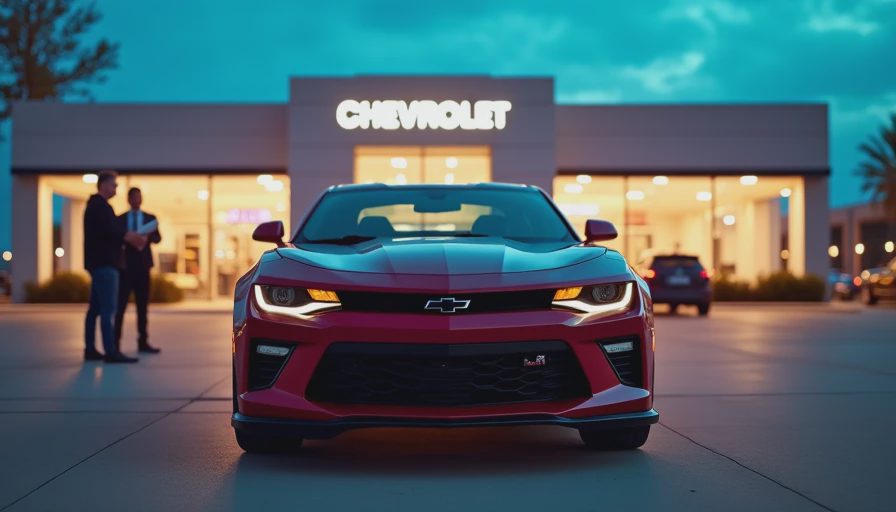
Against the Mustang, this car is usually the sharper tool. The Ford is easier to see out of and easier to use every day, and it has a broader personality range. The Camaro is more focused, more tied down, and more rewarding once the road starts to bend. Against the old Challenger, the story is different again: the Dodge was the roomiest and most relaxed, but it never felt this tight or this precise. On paper, it was the Mustang's everyday friendliness or the Challenger's space. In practice, the Camaro was the driver's car.
That distinction is why the car has always had such a loyal following. It asks for a little more patience in exchange for more payoff. If you care about steering feel, chassis balance, and the sound of a V8 uncorking at half-throttle, that trade still makes sense. If you want a coupe that disappears into your life without asking questions, this is not the one.
Verdict
That is why the Chevrolet Camaro still matters. It is not the easiest coupe to park, not the cheapest to insure, and not the most forgiving if your commute is mostly cramped garages and stop-and-go traffic. But if you want a car that feels anchored to the road, gives you real engine choices, and still delivers the kind of mechanical honesty that built the nameplate in the first place, it earns its keep.
The bottom line is simple: buy one if you want a serious weekend car, a second car with attitude, or a used performance bargain that still feels special every time you start it. Skip it if your priorities are outward visibility, rear-seat usefulness, or the lowest possible insurance bill. Score: 7.5/10.