From behind the wheel, the first thing you notice is how alive the chassis feels at ordinary speeds, which is exactly why the GR86 attracts drivers who like a car with a pulse. It also explains why GR86 insurance is not a simple bargain-bin story. This is a rear-drive coupe with real grip, a willing flat-four, and enough performance to invite young buyers, weekend autocross runs, and the occasional mistake. On paper, 0-60 mph takes about 6.1 seconds, braking from 60 mph lands around 108 feet, and observed fuel economy usually settles in the mid-20s. None of that makes it expensive in the exotic sense, but it does put it in a different bucket than a Corolla.
Why premiums run the way they do
The GR86 is light, quick, and easy to place on a road, but insurers do not reward enthusiasm. They look at repair costs, driver profile, and loss history. A low, two-door sports coupe with sticky summer tires is usually rated above a mainstream compact, even if the sticker price is still in the low $30,000s. The car’s popularity with younger shoppers matters too, because claims data tends to follow the crowd. In practical terms, a clean-record driver in their 40s might see quotes in the $110 to $180 per month range, while a 20-something with little history can easily land closer to $250 or more.
That does not mean you should expect punishment at every turn. If you keep the car on the street, drive a modest annual mileage, and avoid ticket magnets like oversized wheels or track-day wear, the numbers can stay sensible. The GR86 is not a V8 muscle car, and it is not a high-value luxury coupe. It sits in the middle: enough performance to matter, enough common parts to keep repairs from getting silly, and enough demand to keep premiums honest.
Coverage that fits the car
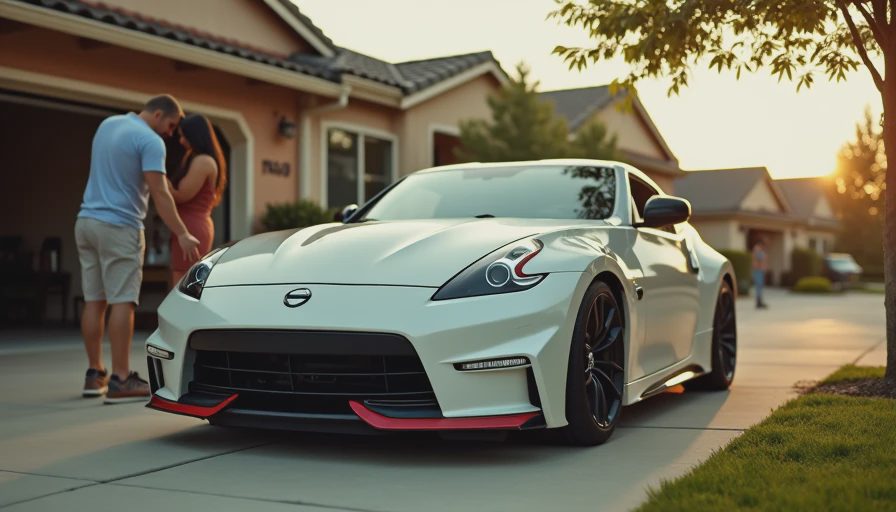
If you finance a GR86, you will need full coverage, which usually means liability, collision, and comprehensive. That is the right starting point anyway. Collision handles your own damage after a crash, while comprehensive covers theft, glass, hail, vandalism, and animal strikes. For a sports coupe with a fairly low ride height, the comprehensive piece is worth paying attention to; front lips, wheels, and windshields tend to see more than their share of abuse.
Deductibles are where many shoppers leave money on the table. A $500 collision deductible can make sense if you want the smoother claim experience, but moving to $1,000 often trims the premium enough to notice. Just make sure the savings actually add up. On a GR86, I would rather see a driver spend a little more for better glass coverage and rental reimbursement than chase the absolute cheapest quote and discover thin protection after a deer strike or parking-lot hit.
How to shop quotes without wasting a Saturday
The smart way to shop a GR86 is to compare at least three carriers with the same limits and deductibles. GEICO and Progressive often compete hard on price, especially for drivers with clean records, while State Farm can be attractive if you already bundle home or renters insurance. Allstate and Liberty Mutual may land high or low depending on zip code, garaging, and your credit-based insurance score where allowed. The point is not brand loyalty; it is making the same car, same driver, and same coverage level compete in real time.
Ask for quotes with identical liability limits, because that is where apples-to-oranges mistakes happen. A policy that looks $20 cheaper per month can be weak in bodily injury limits or short on uninsured motorist coverage. For a coupe like this, that is not where you want to get cute. If you spend one evening gathering quotes and another ten minutes checking your declarations page, you can often save $300 to $800 a year without giving up meaningful protection.
What actually lowers the bill
A GR86 owner has several real levers to pull. A clean MVR helps. A defensive-driving course can shave a little off the bill with some insurers. Annual mileage matters too; if you are putting 6,000 or 7,000 miles a year on the car instead of 15,000, say so. Garage parking also helps when the car is not a daily commuter. If you bundle auto with renters or homeowners insurance, the combined discount can be worth more than any single promotional offer.
Telematics programs are worth a look only if you actually drive like a grown-up. Hard launches, late-night trips, and abrupt braking can work against you, which is a fair warning for anyone who bought the car for back-road fun. Still, if the car is mostly a weekend machine, a usage-based plan can be a solid fit. The key is to ask whether the savings are real after the trial period, not just during the teaser month.
Trim, usage, and ownership reality
The GR86 does not ask for much in day-to-day use, but it does reward restraint. The base car is usually the better insurance play because there is less money tied up in appearance packages, and the factory 17-inch setup is cheaper to replace than fancier wheel and tire combinations. Premium and Limited trims bring nicer cabins and more equipment, yet the insurance difference is often smaller than buyers expect unless the MSRP climbs enough to change the repair math.
This is also where ownership style shows up. If the car is used for autocross, track days, or regular tire-smoking fun, tell your agent what is and is not covered. A standard personal auto policy is not a racing policy. Most casual drivers never cross that line, but the people who do should know where the edge is before they find it the expensive way. For most owners, though, the car remains a sharp little coupe with manageable running costs and a premium that is fair if you shop it intelligently.
Verdict
The GR86 makes sense for a driver who wants balance more than brute force. On the plus side, it is light, communicative, reasonably efficient, and not priced like a halo car. On the downside, it is a two-door sports coupe, which means higher premiums than a commuter sedan, limited rear-seat usefulness, and enough temptation to keep tires and brakes busy.
The bottom line is simple: if you want a car that feels special without drifting into full-blown sports-car money, the GR86 is easy to recommend, and the insurance bill is usually manageable if you compare quotes carefully. My score is 7.5/10 for ownership value, with the biggest swings coming from driver age, location, and how much coverage you choose. For a shopper willing to do the quote work, this one is still worth buying.