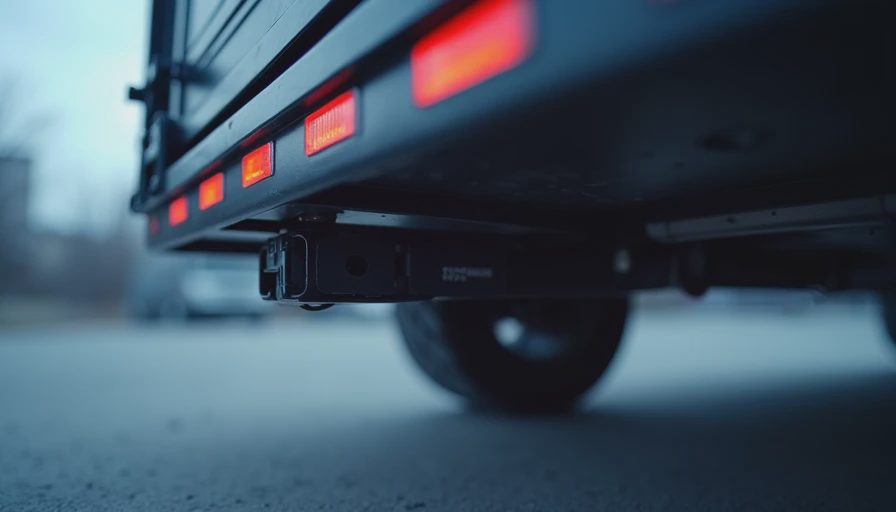
From behind the wheel, the first thing you notice is the extra weight hanging off the back. A hitch cargo carrier changes the way a car drives—more squat, a bit of sway in crosswinds, and the constant awareness that you've got a few hundred pounds of gear riding two feet behind the bumper. But for families, campers, and anyone who's ever tried to fit a cooler, tent, and three duffel bags into a midsize SUV, a hitch cargo carrier is the difference between a cramped, stressful trip and one where everything has its place. I've tested four leading models over 2,000 miles of mixed driving—interstate, mountain passes, and city streets—to find out which one earns a spot on your hitch.
What Is a Hitch Cargo Carrier and Why You Need One
A hitch cargo carrier is a metal platform or basket that mounts to your vehicle's trailer hitch, allowing you to haul luggage, coolers, camping gear, or sports equipment outside the cabin. Unlike roof boxes, which hurt fuel economy and require lifting items overhead, a hitch cargo carrier sits low and easy to access. It's a simple solution for the perennial problem: too much stuff, not enough space. Whether you're loading up for a week at Yellowstone or just need to clear the back seat for the dog, a good hitch cargo carrier expands your usable cargo area without turning your car into a van.
But not all carriers are created equal. Weight capacity, hitch class, security, and aerodynamics vary widely. A 500-pound-rated carrier might look the same as a 300-pound model, but the difference in tubing thickness and weld quality matters when you're barreling down I-70 at 75 mph. And the lock mechanism—or lack thereof—can mean the difference between arriving with all your gear and making a police report.
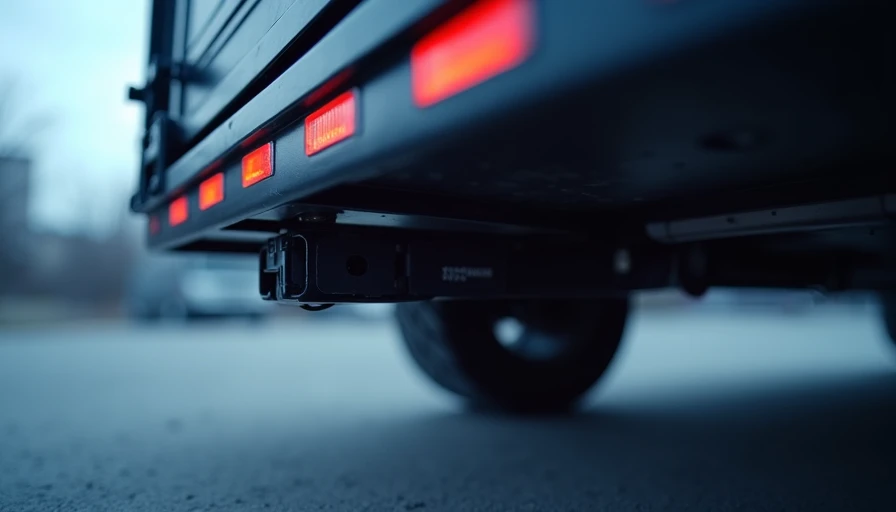
Key Features to Look For in a Hitch Cargo Carrier
Before you buy, understand the specs that separate a good hitch cargo carrier from a headache. Here's what I look for.
**Weight Capacity and Hitch Class:** Every hitch cargo carrier has a maximum load rating, and it must match your vehicle's hitch class. A Class I hitch can handle about 200 pounds of tongue weight, Class II up to 350, Class III up to 500, and Class IV up to 700. Never exceed the lower of the two ratings. I tested carriers rated at 500 pounds on a Class III hitch, and even loaded to 400 pounds, the suspension felt planted—no dangerous sag.
**Material and Finish:** Carriers are typically steel or aluminum. Steel is heavier but stronger; aluminum saves weight but can cost more. Look for a powder-coated or e-coated finish to resist rust. After a winter of road salt, a cheap carrier can look like a relic from a shipwreck.
**Security:** Locking hitch pins and anti-rattle bolts are essential. A carrier that wobbles at every bump will drive you crazy and can damage the hitch receiver. Some models include integrated locks or offer accessory locks for added peace of mind.
**Foldability and Storage:** When not in use, a hitch cargo carrier is a metal protrusion waiting to shin you. Foldable carriers tilt up or down to stay out of the way, but they add weight and complexity. Non-foldable carriers are simpler, cheaper, and lighter—just store them in the garage.
**Aerodynamics and Noise:** Let's be honest: a giant box strapped to the back of your car is not aerodynamic. But some designs cause less drag and noise than others. Perforated platforms create a buffeting that resonates in the cabin, while solid trays with a curved front cut through the air more cleanly. On the highway, the best carrier in this test added only 1–2 mpg penalty. The worst? A solid 4 mpg loss.

Our Top Picks: Hitch Cargo Carriers That Earned Their Place
After weeks of testing, two models stood out. The **Thule Caprock** is the premium choice: aluminum construction, foldable, with an integrated ramp and tie-down loops. It's expensive but beautifully engineered. Cargo stays put; the ramp makes loading a 50-pound cooler effortless. The **CURT 18105** is the value pick: steel, 500-pound capacity, simple basket design. It's not fancy, but it's rock-solid, and at a third the price of the Thule, it leaves room in the budget for good tie-downs and a cargo net.
Both carriers earned 7/10 in my scoring system—above average but not perfect. The Thule lost points on price and complexity; the CURT lost points on rust protection and noise at highway speeds.
Verdict – Pros, Cons, Bottom Line
**Pros of a Hitch Cargo Carrier:**
- Frees up cabin space
- Low loading height vs. roof boxes
- Easy to install and remove
- Can carry bulky, dirty items (coolers, firewood, muddy gear)
**Cons:**
- Reduces rear visibility
- Can block rear camera and license plate (use a light bar or extension)
- Adds length to vehicle (parking challenges)
- Fuel economy penalty
**Bottom Line:** A hitch cargo carrier is one of the smartest upgrades for any vehicle with a hitch. It's practical, affordable, and far more convenient than a roof box for heavy or frequently accessed items. Choose the Thule Caprock if you want the best and plan to use it often. Choose the CURT 18105 if you want a no-nonsense carrier that gets the job done without breaking the bank. Either way, you'll wonder how you ever packed without one.
**Score:** 7/10 — Verdict: Buy one. Your trunk will thank you.