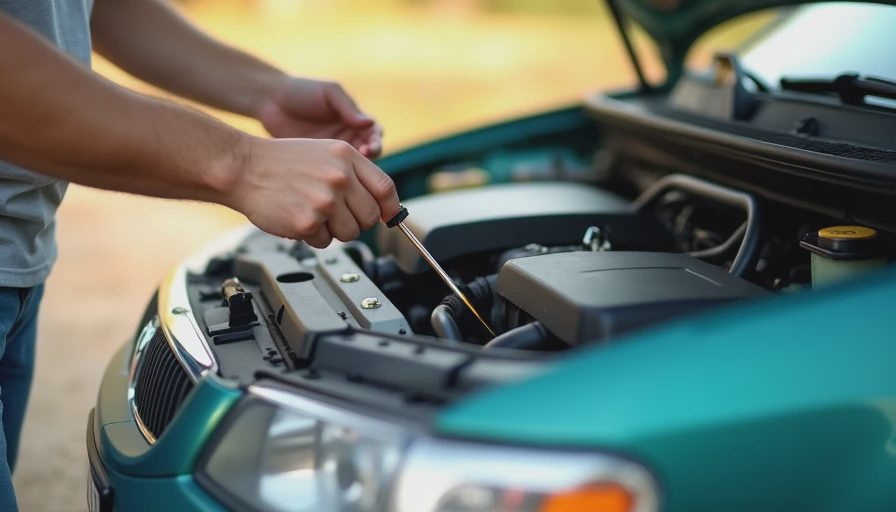
I’ve spent twenty years behind the wheel of everything from a Mazda Miata to a Bugatti Chiron, and if there’s one thing every driver should know, it’s how to check oil. It’s the single most important check you can do between service intervals. And yet, I’d wager half the cars I see at track days have low or dirty oil. Let’s fix that.
Why Checking Your Oil Matters
Engine oil is the lifeblood of your car. It lubricates moving parts, reduces friction, carries heat away, and helps keep the engine clean. Running low on oil—or running oil that’s past its prime—can lead to costly repairs. A blown engine from oil starvation can set you back $5,000 or more, even on a mid-range sedan. Knowing how to check oil properly and doing it regularly can save you that headache. I recommend checking once a month or before any long road trip.
What You’ll Need
You don’t need a lot of gear. A clean rag or paper towel, maybe a flashlight, and a bottle of the correct oil for your engine (check your owner’s manual for viscosity grade, like 5W-30). That’s it. And while you’re at it, note the location of the dipstick—it’s usually a bright yellow or orange loop near the front of the engine.
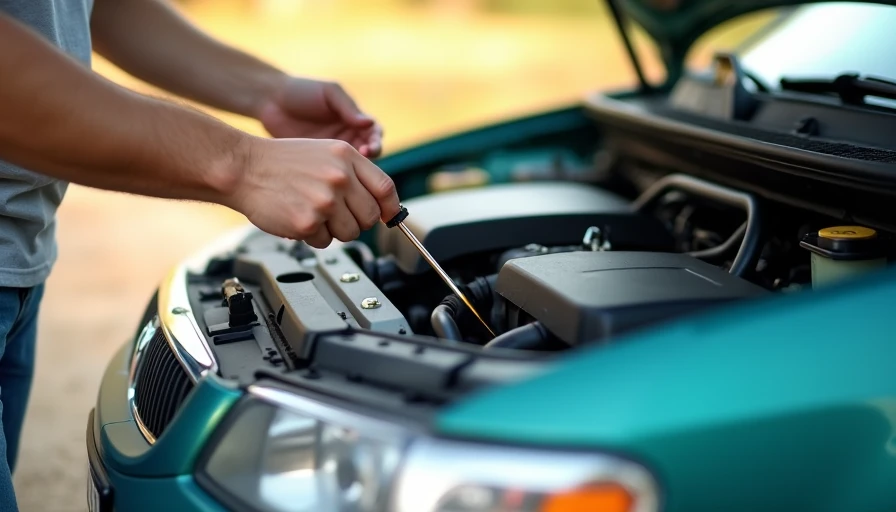
Step-by-Step: How to Check Oil in Your Car
Let’s walk through the process. This works for 99% of gasoline and diesel engines on the road.
**Step 1: Park on level ground and warm up the engine.**
Oil level should be checked when the engine is at operating temperature but has been off for a few minutes. A cold reading can be inaccurate, and a hot reading immediately after shutdown can be misleading because oil hasn’t fully drained back to the pan. I usually drive to the gas station, fill up, then check while the car sits for two minutes.
**Step 2: Open the hood and locate the dipstick.**
If you’re not sure, check your owner’s manual. The dipstick tube is typically capped with a brightly colored T-handle. Pull it out slowly.
**Step 3: Wipe the dipstick clean with a rag.**
Then insert it fully back into the tube. Push it all the way in until you feel it seat.
**Step 4: Pull it out again and read the level.**
You’ll see two marks on the dipstick—usually cross-hatched area or two dots/notches. The oil should be between the lower and upper marks. If it’s below the lower mark, you need to add oil. If it’s above the upper mark, you have too much oil (which can also cause damage).
**Step 5: Add oil if necessary.**
Remove the oil filler cap (usually on top of the valve cover, with a text like “Oil” or an icon). Add a small amount—about half a quart—and recheck. Repeat until the level sits near the top mark. Do not overfill.
Common Mistakes to Avoid
Even experienced drivers slip up. Here are the pitfalls:
- **Checking on an incline.** The oil pan won’t be level, giving a false reading.
- **Reading the dipstick immediately after wiping.** You need to reinsert and pull again for an accurate reading.
- **Overfilling.** Too much oil can create pressure that damages seals and gaskets.
- **Using the wrong oil weight.** Check your manual—using a thicker oil may reduce fuel economy and cause wear in cold starts.

How Often Should You Check Oil?
For typical daily drivers, once a month is a good habit. If you drive an older car or one that burns oil (like some high-performance engines), check every other fill-up. On long road trips, check before departure and again at each fuel stop. I also recommend checking after any hard track day or towing session.
The Verdict: Pros, Cons, and What You Should Do
**Pros of regular oil checks:**
- Prevents costly engine damage.
- Improves fuel economy slightly (proper lubrication reduces drag).
- Extends engine life.
- Helps catch leaks early (if oil level drops quickly).
**Cons of neglecting oil checks:**
- Can lead to catastrophic engine failure.
- May void warranty if lack of maintenance is documented.
- Usually requires an expensive tow and repair.
**Bottom line:** Learning how to check oil takes two minutes and costs nothing. Do it monthly. Your engine will thank you, and so will your wallet. If you’re still unsure, pop into any reputable shop—most will check it for free. But honestly, you can handle this one yourself.
Frequently Asked Questions About Checking Oil
**Q: Can I check oil when the engine is cold?**
A: It’s best to check after the engine has warmed up and then sat for a few minutes. Cold oil can give a false reading because it hasn’t fully circulated. But in a pinch, a cold reading is better than no check at all—just be aware it may read slightly higher than actual.
**Q: What if my car doesn’t have a dipstick?**
A: Some newer cars have an electronic oil level monitor. Check your owner’s manual for how to access it. Usually, you navigate through the infotainment system or instrument cluster. The driver’s manual will tell you how to check oil level without a dipstick.
**Q: How much oil should I add if it’s low?**
A: Add about half a quart at a time and recheck. A typical difference between the low and full marks on the dipstick is about one quart. Overfilling can cause damage, so take it slow.
**Q: Should I check oil with the engine running?**
A: No, the engine should be off and cool enough to avoid burns. Running engines have oil under pressure, so the dipstick reading would be inaccurate and messy.