From behind the wheel, the first thing you notice is the silence: no idle, no gear changes, just the faint whir of electric motors pushing a large family vehicle toward the horizon. The Hyundai Ioniq 9 is Hyundai's most ambitious battery-electric SUV yet, and it arrives in a market that finally has room for a genuinely useful electric three-row. This is not a first-impression road test; the production model deserves a full instrumented evaluation. For now, this review examines the published specifications, design, packaging, and the buying decision that awaits American families.
What the Hyundai Ioniq 9 Is Trying to Be
The Hyundai Ioniq 9 is built on the company's E-GMP electric platform, shared in broad technical terms with the Ioniq 5 and Ioniq 6. Unlike those lower vehicles, this one is a substantial three-row crossover designed to carry adults, luggage, and the expectations that come with a starting price likely reaching well into the $60,000 range. Hyundai has positioned it against electric alternatives such as the Kia EV9, Rivian R1S, Tesla Model X, and upcoming full-size electric SUVs.
Its shape is cleaner than the typical boxy family hauler. The rounded roofline should help aerodynamic efficiency, while the short overhangs and long wheelbase create useful cabin space. The design is distinctive without becoming theatrical. That restraint matters. A vehicle this large does not need fake aggression or an oversized grille to announce itself.
Hyundai says the Ioniq 9 will offer rear- and all-wheel-drive configurations, with an available dual-motor setup delivering considerably stronger acceleration than the single-motor version. Exact U.S. trim details, output, and pricing should be studied carefully when the final range is announced. Electric SUVs often look affordable in base form and become expensive once buyers select all-wheel drive, larger wheels, and premium equipment.
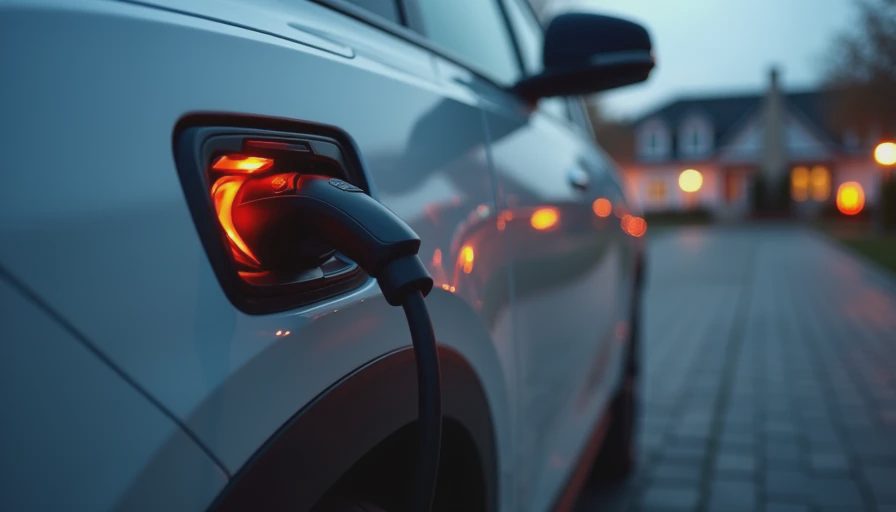
Range, Charging, and Everyday Use
Range is the central question for any large electric SUV. Hyundai has indicated a driving range around the 300-mile mark for certain configurations, although the official EPA number, wheel choice, temperature, and drivetrain will determine what buyers actually see. That target would put the Ioniq 9 in useful territory for commuting, school runs, and weekend travel without making every trip a charging exercise.
The Ioniq 9 should benefit from the 800-volt charging capability associated with Hyundai's E-GMP family. At a sufficiently powerful DC fast charger, Hyundai has cited the possibility of adding substantial range in roughly 15 minutes. Real-world charging depends on station output, battery temperature, state of charge, and whether the vehicle can maintain its peak rate. A road trip still requires planning, particularly when three rows are full and the vehicle is carrying luggage in cold weather.
At home, a 240-volt Level 2 charger will be the sensible solution. A household that drives 40 to 60 miles per day can typically recover that distance overnight, assuming the electrical installation and charging equipment are properly sized. The available vehicle-to-load capability is another practical advantage, allowing the SUV to power selected devices or equipment through the appropriate adapter. That is useful at a campsite or during an outage, though it is not a substitute for a home generator.
Cabin Space and Comfort
The strongest argument for the Hyundai Ioniq 9 is likely its interior. Three-row electric SUVs can use their flat floors and long wheelbases to create more flexible cabins than gasoline vehicles built around a transmission tunnel and engine bay. The second row should be comfortable for adults, while the third row appears intended for real passengers rather than emergency use by children.
Hyundai is also emphasizing flexible seating, including second-row options that can recline and, in some configurations, swivel. Those features sound attractive, but they should be judged by usability rather than brochure appeal. A swivel seat is valuable only if it does not complicate child-seat installation, access, or cargo loading. Buyers should also inspect the third-row entry, seat cushion height, outward visibility, and available storage when every seat is occupied.
The dashboard follows the current Hyundai pattern: broad screens, a clean horizontal layout, and physical controls for at least some frequently used functions. That is preferable to burying climate adjustments inside a touchscreen. Materials and noise isolation will determine whether the Ioniq 9 feels like a premium vehicle or merely a large Hyundai with a premium price. The Kia EV9 has already set a high standard for practical electric-family packaging.

Performance Without the Theater
The dual-motor Hyundai Ioniq 9 should have no trouble merging onto a freeway or climbing a mountain road with passengers aboard. Electric torque makes heavy vehicles feel immediately responsive, and all-wheel drive adds traction in rain and snow. Still, buyers should not confuse quick acceleration with sports-car handling. A tall SUV weighing several thousand pounds will carry momentum into corners and demand early braking.
The better question is whether Hyundai has tuned the suspension for composure. A family vehicle should absorb broken pavement, settle quickly after a dip, and remain quiet at 75 mph. Large wheels can improve appearance while damaging ride quality and tire cost. I would favor the smallest wheel offered with a strong sidewall, particularly for drivers in areas where potholes are common.
There is no credible independent 0-to-60-mph time, braking distance, or observed efficiency figure to report before a full production test. That restraint is important. Manufacturer estimates are useful for comparison, but they are not substitutes for repeatable testing with a charged battery, measured stops, and several hundred miles of mixed driving.
Ownership Costs and Competition
The Hyundai Ioniq 9 will compete on more than range. Hyundai's warranty coverage is generally a selling point, and its dealer network is broader than Rivian's in many parts of the country. Buyers should compare the local service experience, home-charging installation cost, insurance quotes, and tire replacement prices before signing a purchase agreement. A large EV can save money on routine energy and maintenance while still carrying expensive tires and collision-repair bills.
The Kia EV9 is the obvious in-house alternative. It offers a similarly useful three-row layout and shares much of its electric-platform philosophy. The Hyundai may appeal to buyers who prefer its styling, cabin design, or equipment mix. The Rivian R1S is more rugged and powerful but can become costly quickly. The Tesla Model X offers speed and a mature charging network, yet its unconventional controls and aging design will not suit everyone.
A careful buyer should request written pricing for the exact trim, confirm federal and local incentives, and obtain insurance quotes before comparing monthly payments. Leasing can reduce exposure to uncertain resale values, while buying makes more sense for drivers who plan to keep the vehicle for eight years or longer.
Verdict: Pros, Cons, and Whether You Should Actually Buy One
The Hyundai Ioniq 9 has the right assignment: make electric family transport genuinely practical. Its apparent strengths are a roomy three-row cabin, fast-charging hardware, quiet operation, and a design that avoids looking like a delivery van. Its unresolved questions involve real-world range, ride quality, pricing, third-row comfort, and how well the software works after the novelty fades.
Pros. Useful three-row packaging, strong charging potential, distinctive styling, and the quiet power delivery expected from a modern EV.
Cons. Likely high purchase price, uncertain final range by trim, expensive tires, and no independent performance or efficiency data yet.
Bottom line. The Hyundai Ioniq 9 is worth serious consideration for a household that can charge at home and needs three usable rows. It is not an automatic recommendation until pricing and road-test results arrive. On paper, it is the large electric family SUV Hyundai needs. In practice, it will have to match the Kia EV9's versatility while delivering a better ownership experience. My provisional score is 7.5 out of 10, subject to a proper test of the finished vehicle.